
Am I legally obligated to provide porta potties for my construction workers?
On construction sites, budgets and schedules often steal the spotlight, but there’s another priority that can’t be ignored: sanitation. Without clean, readily accessible restrooms, crews may lose time searching for facilities or risk health issues by holding it too long. I’ve seen jobs grind to a halt when a single porta‑potty was overlooked. The Occupational Safety and Health Administration (OSHA) treats access to toilets as a fundamental right—not a courtesy—so employers must understand the rules. This guide unpacks the law, explains why compliance matters, and offers best practices for keeping your team comfortable and productive.

Do you have to have a porta potty on a construction site?
Yes—if your site lacks permanent plumbing, portable restrooms aren’t optional. OSHA’s sanitation standard 29 CFR 1926.51 requires employers to provide adequate toilet facilities for construction workers. The law applies to any job site with workers present, whether you’re renovating a single‑family home or building a skyscraper. For crews of 20 or fewer, at least one toilet is required. When your workforce exceeds 20 people, you must supply one toilet seat and one urinal per forty workers up to 200 employees, and one seat and one urinal per fifty workers when the headcount exceeds 200. These ratios ensure there’s no long queue at break time. Portable restrooms are the standard solution on construction sites because plumbing is rarely available; they must be placed within a reasonable distance—OSHA recommends within a 10‑minute walk or about 200 feet of the work area. Beyond meeting minimum numbers, employers must ensure restrooms are sanitary, stocked, and accessible.
What is the OSHA rule for porta‑potties?
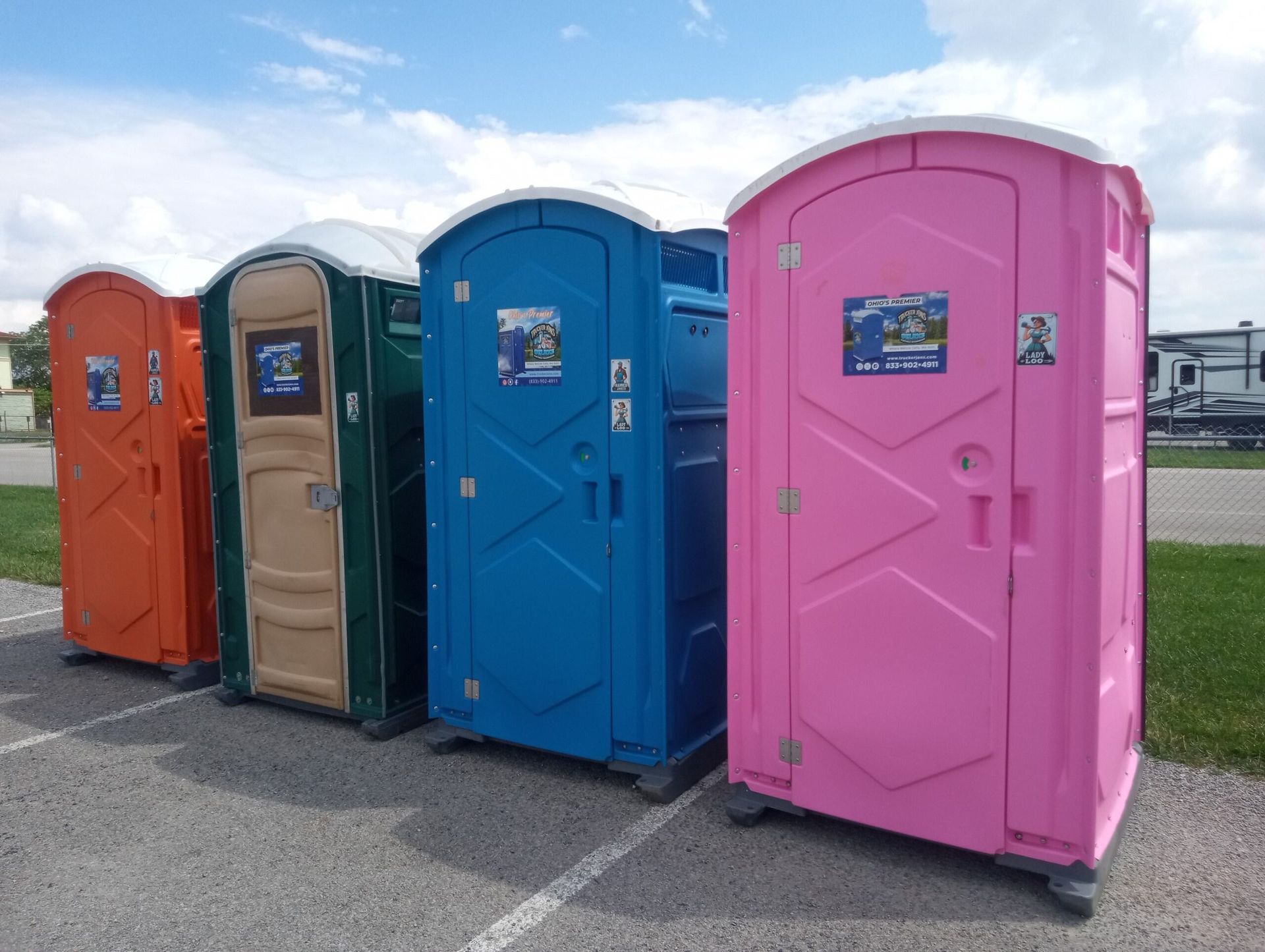
OSHA’s rules go beyond simply counting toilets. The agency requires that restrooms be clean, sanitary and immediately available. In practice, that means providing hot or cold running water (or lukewarm) for handwashing, soap or another cleansing agent, and individual hand‑drying options. Waterless cleaners alone are not an adequate substitute for soap and water. OSHA also specifies minimum toilet ratios for construction projects: one facility for 1–15 workers, two for 16–35, three for 36–55, four for 56–80, five for 81–110 and six for 111–150, with an additional unit for every 40 workers beyond that. Separate facilities for male and female workers are required once you exceed 15 employees, unless each unit is single‑occupancy with a locking door. Importantly, units must be located no more than 200 feet from work areas and maintained regularly to prevent odor and disease.
OSHA vs. ANSI: How many toilets do you really need?
While OSHA sets the minimums, voluntary standards from the Portable Sanitation Association International and ANSI suggest going further. The ANSI Z4.3 standard recommends one toilet per ten employees. If the units are serviced more than once per week, the recommendation loosens slightly to one for every fifteen workers. These guidelines recognize that proper sanitation improves morale and reduces wait time. Many contractors use them to calculate a higher baseline. The table below compares OSHA’s minimums with ANSI’s comfort guidelines:
- 1–15 workers: 1 toilet (OSHA minimum), 2 toilets (ANSI recommendation)
- 16–35 workers: 2 toilets (OSHA), 3–4 toilets (ANSI)
- 36–55 workers: 3 toilets (OSHA), 4–6 toilets (ANSI)
- 56–80 workers: 4 toilets (OSHA), 6–8 toilets (ANSI)
- 81–110 workers: 5 toilets (OSHA), 8–11 toilets (ANSI)
- 111–150 workers: 6 toilets (OSHA), 11–15 toilets (ANSI)
- Over 150 workers: +1 toilet per 40 workers (OSHA), +1 toilet per 20 workers (ANSI)
These figures make it clear that meeting OSHA’s bare minimum may not provide the comfort your crew expects, especially during busy periods. Following ANSI’s guidelines can reduce downtime and demonstrate your commitment to worker welfare.
Is it required for a girl to have her own porta potty in construction?
Some site managers worry that mixed‑gender crews require separate porta‑potties for women. OSHA’s standard does not explicitly require gendered portable toilets; single‑occupancy units with lockable doors meet the requirement for both sexes. The agency mandates that there be a sufficient number of toilets for each sex based on workforce size, but unisex units count toward both quotas as long as they can be locked from the inside. However, best practices go beyond compliance. Providing dedicated facilities for women can improve comfort and privacy, particularly on large sites or those with many female workers. Industry guides suggest enhanced access restrooms with more space, ventilation and better lighting. Some companies opt for separate male and female portable restrooms, which can make crews feel more respected. At minimum, ensure every unit is private, clean and well lit. When in doubt, consult your portable toilet provider; services like Premium Portable Restroom Rentals can help design a layout that accommodates everyone.
Is not having a working bathroom an OSHA violation?
Absolutely. OSHA views restroom access as a worker right, and denying it exposes employers to significant penalties. Under current civil penalty structures, serious or other‑than‑serious violations can reach $15,625 per offense, and willful or repeated violations range from $11,162 to $156,259. Failure to abate can lead to additional fines per day. Real‑world cases underscore the cost of noncompliance: one construction company was fined $47,000 for providing only two portable toilets to 85 workers when at least five were required. Beyond monetary penalties, OSHA can issue stop‑work orders that halt your project until sanitation issues are resolved. Fines are also possible at the state level; some jurisdictions adopt stricter standards than federal OSHA. Given the potential consequences, it’s far cheaper to rent enough units and maintain them properly. Don’t forget to budget for handwashing facilities—an expense that can be offset by choosing the right porta potty rental cost per day packages.
Benefits of providing proper sanitary facilities
Adequate sanitation isn’t just about avoiding citations; it directly benefits your crew and your bottom line. When workers can quickly access clean, well‑maintained toilets, they return to their tasks sooner, boosting productivity. Portable restrooms stocked with toilet paper, soap and hand‑drying options reduce the spread of bacteria and viruses. Illness spreads quickly on job sites, and sick days are costly. I’ve witnessed crews grow resentful when they must walk a quarter mile to find a bathroom; morale suffers, and turnover increases. Investing in high‑quality units—like those offered through Portable Restroom Rentals for Construction Sites—signals respect for your workforce. That respect fosters loyalty and often translates into higher-quality workmanship. Finally, proper sanitation protects your reputation. Neighbors and visitors notice when workers use nearby shops because a site lacks restrooms. Providing the essentials keeps the community on your side and prevents public health complaints.
Choosing the right portable toilets for your site
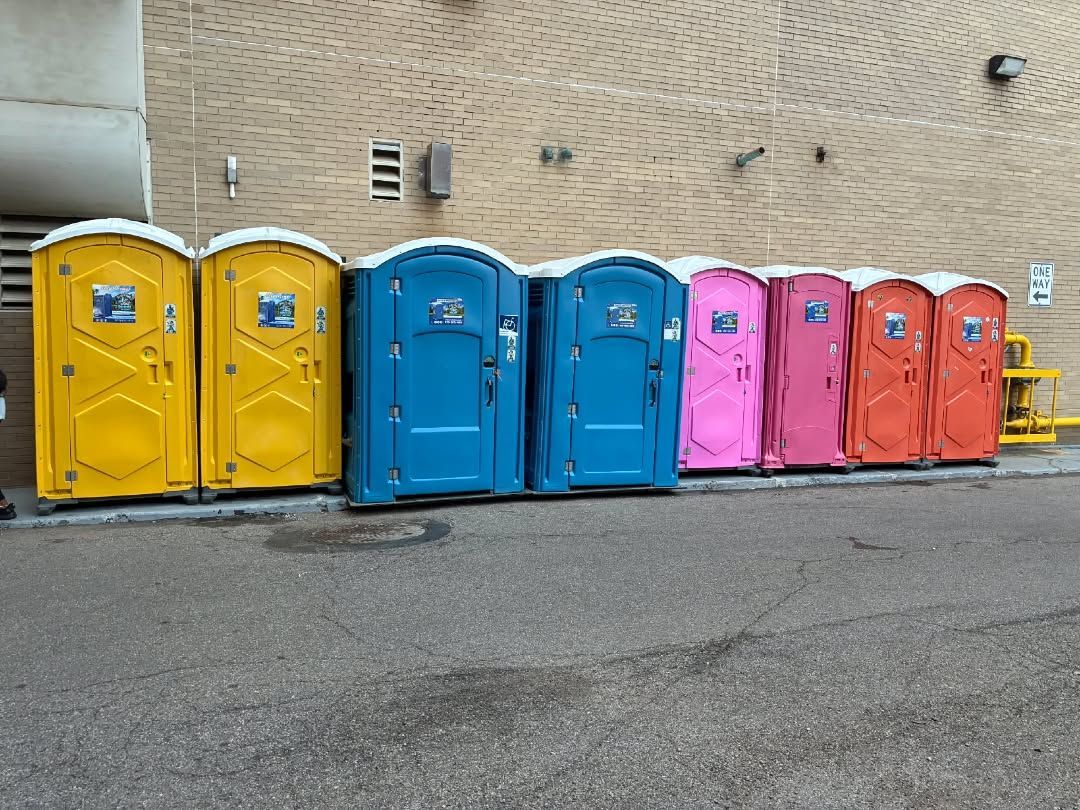
Not all porta‑potties are created equal, and choosing the right mix can make a big difference. Standard units are compact, economical and perfect for small crews or short‑term projects. Deluxe models include sinks, mirrors and sometimes flushing mechanisms, offering a more comfortable experience for longer projects or sites frequented by supervisors or clients. High‑rise units are designed with lifting hooks or wheels to reach upper floors. ADA‑compliant units must be larger to allow wheelchair users to turn 360 degrees and must feature reinforced grab bars and hinged doors. Regulations typically require at least one ADA‑compliant unit for every 20 portable toilets, and at least one in each toilet cluster. Don’t overlook handwashing: pairing your restrooms with Handwashing Station Rentals ensures compliance with OSHA’s requirement for potable water, soap and drying options. If your workforce is large or spread out, consider adding a restroom trailer with flushing toilets and running water or enhanced access units for women. Your rental provider can help you balance cost and comfort—especially when you weigh porta potty rental cost per day against productivity gains.
Compliance and penalties: Why you can’t ignore the law
Compliance is more than a legal checkbox; it protects your workers and your business. OSHA’s toilet ratios must be met or exceeded, and units must remain clean and usable. Supplies like toilet paper and hand soap should be checked daily. Portable toilets must be emptied and cleaned regularly—at least weekly, with more frequent service during periods of heavy use or hot weather. Restrooms should be accessible within 200 feet and not require workers to climb over obstacles. You’ll also need to provide safe approach routes and at least one ADA unit when applicable. Failure to meet these standards invites OSHA inspections and steep penalties. To protect yourself, document your sanitation schedule, service records and any complaints or corrections. Exceeding minimum requirements—by supplying extra units, offering Premium Portable Restroom Rentals or investing in ADA‑compliant models—demonstrates good faith and may mitigate fines during inspections. For a deeper dive into the legal nuances, read Do I legally have to provide a porta potty at a job site?.
Best practices for placement and maintenance
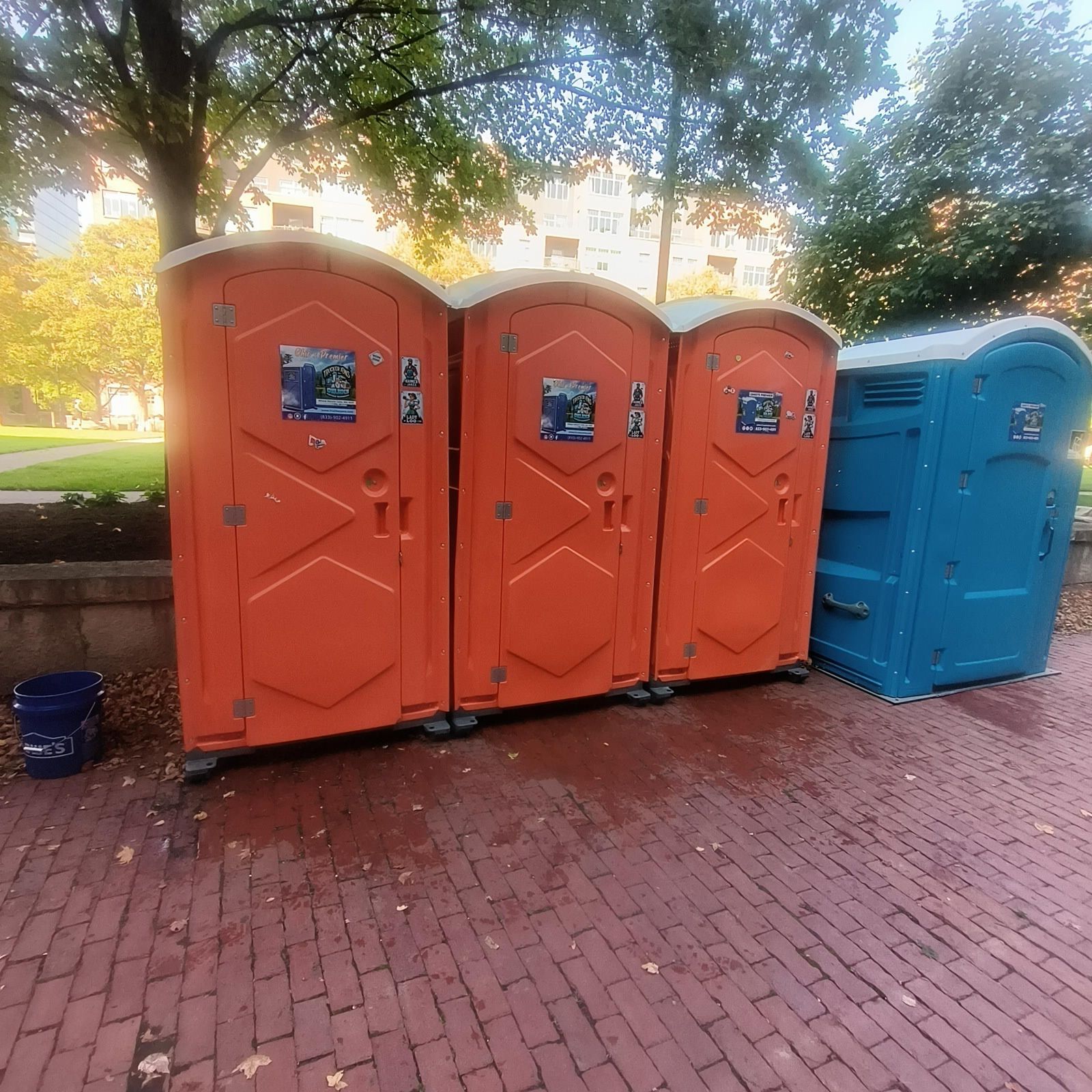
Placement and maintenance can make or break your sanitation plan. Position units on level ground within a short walk of work areas and ensure they’re visible and well lit. Cluster toilets in convenient locations to minimise travel time; if your site spans multiple acres, place several clusters around the perimeter. Remember that toilets must be within a 10‑minute walk or a quarter mile of the work area to comply with OSHA. Provide clear signage and safe pathways so workers can reach them even in bad weather. Plan for service access—trucks must be able to empty tanks without blocking traffic. Schedule regular cleaning; most providers recommend weekly servicing, but high‑usage sites may need twice‑weekly visits. Restock supplies daily, and inspect units for damage or vandalism. During extreme weather, take extra precautions: anchor units against wind and provide ventilation to reduce odors. If a unit becomes unsanitary or damaged, remove it from service immediately and replace it. Proactive maintenance keeps your workers healthy and demonstrates your commitment to their well‑being.
Conclusion
Providing portable restrooms isn’t just a regulatory chore—it’s an investment in your crew’s health, morale and productivity. OSHA mandates that you supply a minimum number of clean, accessible toilets based on workforce size, and failure to comply can result in fines well into six figures. But going beyond the minimum—by following ANSI guidelines, offering comfortable units and maintaining them diligently—pays dividends in the form of happier workers and smoother projects. Remember to pair restrooms with handwashing stations, choose ADA‑compliant units when needed and consult reliable providers like
Premium Portable Restroom Rentals for guidance. When you treat sanitation as a priority rather than an afterthought, you create a job site that’s safe, efficient and respectful.