
What happens if you get porta potty water on you?
When you find yourself in a portable restroom and the dreaded splash happens, it’s natural to feel startled. That sudden hit of blue liquid isn’t the most pleasant sensation, but understanding what’s in it and how to respond can turn a minor mishap into something manageable. Portable toilets are essential at festivals, construction sites and outdoor events, yet few people think about the chemistry of what’s beneath the seat or the best way to handle accidental contact. This guide walks you through everything you need to know – from what’s in the water to how to protect yourself – so you can use mobile restrooms with confidence and calm.

Understanding Porta Potty Water and Its Contents
Modern porta potty liquid is more than just dyed water. It’s a specially formulated solution designed to break down waste, control odors and minimise the growth of microorganisms. At its core are biocides, which inhibit bacteria; surfactants, which break down solids; dyes, which give it the characteristic blue colour; and fragrances to mask unpleasant smells. In older portable toilets formaldehyde was used to preserve waste, but most providers now use safer, environmentally friendly formulations that comply with current regulations. While this blue solution reduces pathogens, it isn’t sterile; small splashes can still carry germs or chemicals that irritate skin, especially if left unwashed.
Because these units are self‑contained systems, the liquid concentrates waste in a relatively small volume. The NSW government notes that open closet or straight‑drop designs without a trap can create splash risks, exposing users to human waste or toilet chemicals. That’s why modern portable toilets incorporate flapper valves and seals to reduce splashback. Knowing the composition of the liquid demystifies the experience: it’s engineered for sanitation, but it’s still waste water, so treat it with care.
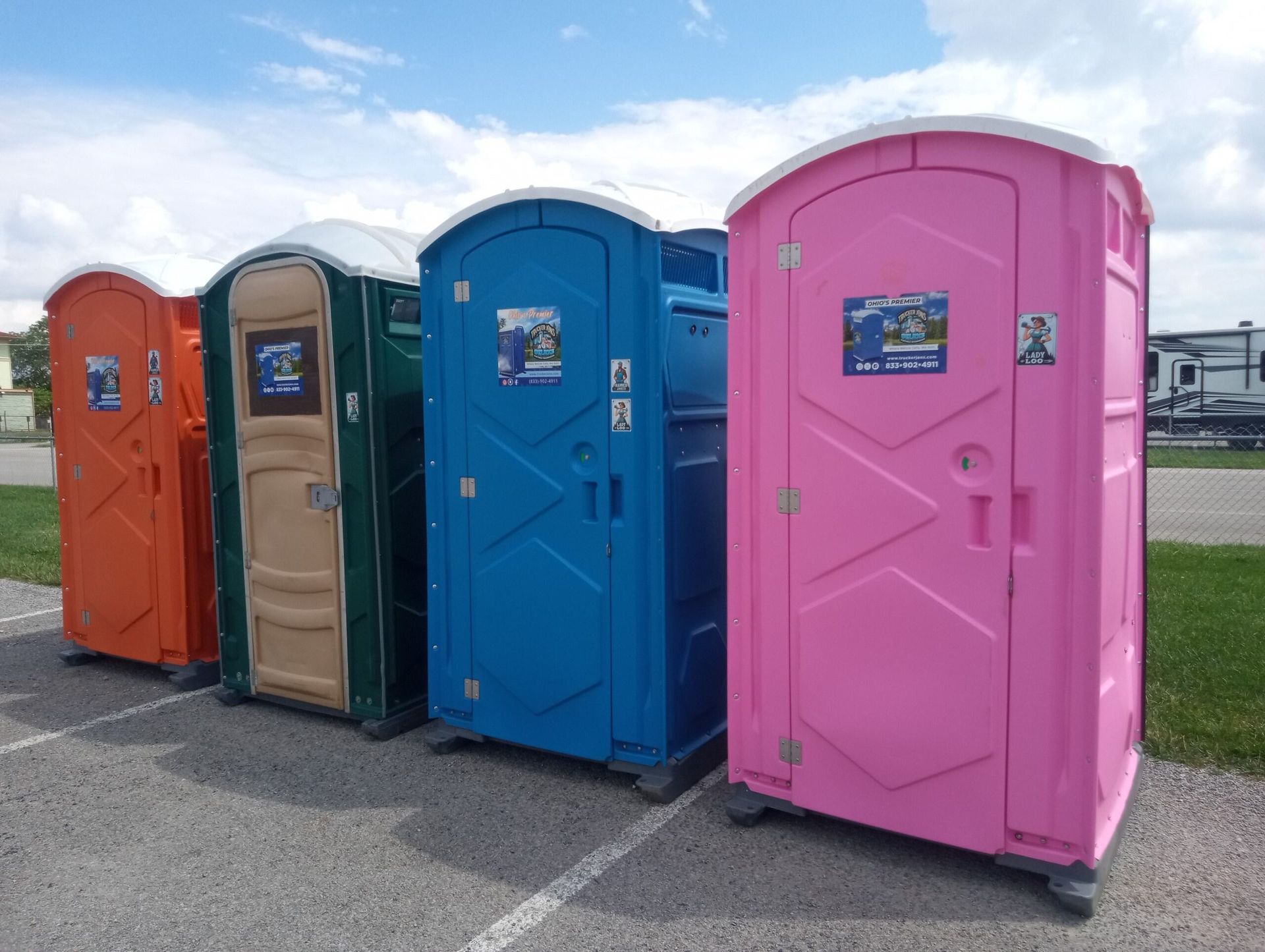
Portable Restroom Rentals Keep It Professional
Professional companies like Portable Restroom Rentals invest in top‑tier solutions. Their units use high‑quality biocides and deodorisers that are less irritating than the chemicals of decades past. Routine servicing, cleaning schedules and proper design all reduce the risk of accidental splashes. When you rent from a reputable provider, you’re choosing equipment designed with user safety in mind.
Immediate Steps When Porta Potty Water Splashes on You
If a splash occurs, prompt action is your best defence. Stop what you’re doing, take a breath and follow a simple cleansing routine. The splash may be unpleasant, but it’s rarely dangerous if you clean up properly. Acting quickly minimises your exposure to germs and prevents the liquid from drying on your skin.
Wash and Disinfect Promptly
Start by washing the affected area with plenty of soap and clean water. Rub for at least 20 seconds – a guideline echoed by sanitation experts and public health campaigns alike – paying close attention to folds, creases and under fingernails. If you’re far from running water, use hand sanitiser or antibacterial wipes as a temporary measure until you can wash thoroughly. Avoid touching your face, mouth or eyes before washing, since pathogens often enter the body through these routes. Once the area is clean, pat it dry with a towel or tissue and let it breathe.
Deal With Contaminated Clothing
If your clothes are wet, change as soon as possible. Bag up the contaminated garments and launder them separately in hot water with detergent. Wash or wipe down any personal items that were splashed, such as phones or keys. For minor splashes on shoes or trousers, a disinfectant wipe followed by soap and water is typically sufficient. Taking these steps quickly reduces skin irritation and stops germs from spreading.
Choose Premium Portable Restroom Rentals
When you use Premium Portable Restroom Rentals, the risk of splashback is already lower because these units often include advanced features like sealed holding tanks and foot‑pump flush systems. Nevertheless, accidents happen. Keeping hand sanitiser in your pocket and carrying a small packet of wipes can make dealing with unexpected messes much easier.
What happens if porta potty water splashes on you?
A splash of porta potty liquid is unlikely to make you seriously ill, but there are potential pathogens worth understanding. Faecal matter can harbour viruses like norovirus, bacteria such as Salmonella and Shigella, and parasites. Studies of public toilets reveal that surfaces and water can carry E. coli, Klebsiella and rotavirus. Although healthy skin is a good barrier, cuts or abrasions allow microbes to enter. Chemical additives can also irritate skin or eyes, and ingesting the liquid – even accidentally via hand‑to‑mouth contact – can cause stomach upset.
For most healthy adults, the risk remains low. An infectious disease specialist told HealthTap users that there is little disease risk even when toilet water splashes sensitive areas. The greatest danger comes from failing to wash thoroughly or ignoring symptoms. If you notice persistent irritation, gastrointestinal problems, fever or fatigue in the 24–48 hours following exposure, consult a healthcare provider. People with weakened immune systems, pregnant women or those with open wounds should be particularly cautious and may want to speak with a doctor immediately after significant exposure.
Symptom Onset and Duration
Below is a quick breakdown of common pathogens sometimes associated with wastewater exposure and their typical symptom timelines. These are general ranges, and individual experiences can vary.
- Norovirus
- Onset after exposure: 12 to 48 hours
- Typical duration: A few days
- Notes: Often causes sudden vomiting, diarrhoea, and stomach cramps
- Salmonella
- Onset after exposure: Hours to 1 day
- Typical duration: 4 to 7 days
- Notes: May lead to fever, diarrhoea, and digestive upset
- Shigella
- Onset after exposure: Hours to 1 day
- Typical duration: Several days
- Notes: Can cause more severe gastrointestinal distress and dehydration
- Hepatitis A
- Onset after exposure: 2 to 7 weeks
- Typical duration: Up to 2 months
- Notes: Affects the liver; medical evaluation is recommended if symptoms appear
- Influenza
- Onset after exposure: 1 to 4 days
- Typical duration: Up to 3 weeks
- Notes: Fever, body aches, and fatigue; higher risk for older adults and vulnerable groups
Recognizing these patterns helps you monitor your health with confidence. Most minor splash exposures never lead to illness, but staying aware means you can act quickly if symptoms show up.
Is it bad if public toilet water splashes on you?
Public bathrooms, whether in permanent facilities or portable units, contain a variety of germs. Research published via ScienceAlert highlights that public toilets can be “microbial soup,” harbouring gut bacteria, skin bacteria and viruses like norovirus. That same article points out that the biggest problems come not from the seat itself but from surfaces people touch and from toilet plumes – the aerosol of droplets expelled when you flush with the lid open. Germs can linger in water even after multiple flushes, so it’s wise to wash your hands after each bathroom trip.
Still, experts stress that the risk of serious infection from a quick splash is low. Healthy skin acts as an effective barrier, and most microbes require a vulnerable entry point to cause disease. What matters is what you do next: wash thoroughly, disinfect surfaces, and avoid touching your face until your hands are clean. If you’re a parent helping a child or you’re caring for someone with a chronic condition, always have wipes and sanitiser at hand when using public restrooms. Preventive habits matter more than the occasional splash.
Other Portable Rental Sanitation Services Make a Difference
Using Other Portable Rental Sanitation Services that adhere to industry cleaning standards further reduces risk. Companies that follow strict servicing schedules ensure that tanks are emptied, surfaces are sanitised and chemical levels remain balanced. Ask providers about their maintenance routines and whether they supply hand‑washing stations or hand‑sanitiser dispensers with each unit. Your comfort and health depend on the attention to detail taken by the service you hire.
Can you get an infection from using a porta potty?
The short answer is: it’s unlikely, but not impossible. Infections generally occur when pathogens bypass your skin’s defences through cuts, mucous membranes or ingestion. Shigellosis, Salmonella and norovirus are among the pathogens sometimes associated with contaminated wastewater. However, as the infectious disease specialist noted, even having several small cuts does not significantly elevate risk. Prompt washing and avoiding hand‑to‑mouth contact drastically lower the odds of infection.
People with compromised immune systems or underlying health conditions may be more susceptible. If you have wounds or sores in the area exposed to splashed water, clean them immediately and consider using an antiseptic. Wear gloves when cleaning portable units to avoid contact with waste. For the general population, sensible hygiene practices make porta potties no more dangerous than any other public facility.
Preventing Splashback in Portable Toilets
No one likes surprises during a bathroom break. Fortunately, a few simple techniques can minimise splashback and keep you clean. First, drape a layer of toilet paper over the water before you go. This “landing pad” cushions impact and reduces the chance of droplets bouncing up. Second, sit rather than hover. Hovering increases the distance waste travels and can create more splash; it also tenses pelvic floor muscles and makes emptying harder. Third, stand back slightly when urinating to keep distance from the bowl.
The NSW factsheet advises avoiding open closet or straight‑drop toilets where possible because they lack a trap and can present a significant splash risk. When you have a choice, select units with flapper valves or foot‑activated flushes. If you drop something, don’t reach into the bowl; instead, ask facility staff for assistance. Keep the door slightly open when leaving to improve ventilation for the next user.
What are the OSHA rules for porta potty?
Regulations vary by region, but occupational safety agencies share common expectations for portable sanitation. Employers must provide a sufficient number of toilets for the workforce, ensure they are clean, safe and accessible, and maintain them regularly. In the United States, OSHA guidelines require employers to furnish adequate sanitation facilities at worksites, including hand‑washing supplies and safe waste disposal. The NSW guidelines add that toilets should be located on stable ground, secured to prevent tipping and fitted with a hinged seat and lid. They also note that portable units should have flapper valves to reduce splash and exposure risks.
Providing clear instructions on proper use and hygiene is part of compliance. Workers should be trained to report blockages, shortages of supplies or damage immediately. Employers who fail to offer adequate facilities may face penalties and work stoppages. When renting units for a worksite, ask providers about OSHA compliance, cleaning schedules and the provision of separate hand‑washing stations. Meeting these standards not only protects workers but enhances morale and productivity.
Linking to Maintenance Insights
Wondering how often a portable toilet should be serviced? Check out How Often Do Portable Toilets Need to Be Emptied? for guidelines on pump‑out frequency, cleaning best practices and tips to keep units fresh. Proper maintenance not only reduces odours but also lowers the likelihood of overflowing tanks and splash incidents. Event organisers and site managers should plan servicing based on usage volume and environmental conditions.
Selecting Safe and Clean Porta Potty Rentals
Choosing a reputable rental company makes all the difference. Look for providers who offer sealed tanks, foot‑operated flushes and built‑in hand‑sanitiser dispensers. Ask about their servicing schedule – daily or weekly visits depending on usage – and whether they use eco‑friendly chemicals. Companies like Portable Restroom Rentals and Premium Portable Restroom Rentals prioritise cleanliness and user safety. They often include amenities such as ventilation, interior lighting and anti‑microbial surfaces.
Beyond equipment, consider the level of support offered. Will the company deliver extra units if your attendance spikes? Do they provide 24/7 customer service in case of spills or malfunctions? A reliable provider understands that emergencies happen and prepares accordingly. By investing in high‑quality units and responsive service, you create a safer environment for everyone using the facilities.
Final Thoughts on Portable Sanitation Safety
Nobody loves using a porta potty, but accidents like splashback shouldn’t ruin your day. Modern portable restroom formulas are designed to control waste and odours while prioritising user safety. If you get splashed, wash thoroughly with soap and water, disinfect personal items and change any contaminated clothing. Most healthy adults won’t experience serious illness, but monitor for symptoms and consult a doctor if anything feels off. Preventive measures – like draping toilet paper, sitting instead of hovering and selecting well‑maintained units – drastically reduce the chance of splashback.
At the core of portable sanitation safety is proper maintenance. Renting from providers committed to cleanliness and compliance ensures units are emptied, disinfected and stocked with supplies. Whether you opt for Portable Restroom Rentals for a construction site or Other Portable Rental Sanitation Services for an outdoor wedding, ask about their cleaning protocols and service frequency. Informed choices and good hygiene habits empower you to use portable toilets confidently, turning an awkward situation into a minor inconvenience.