What is the proper term for a porta potty?
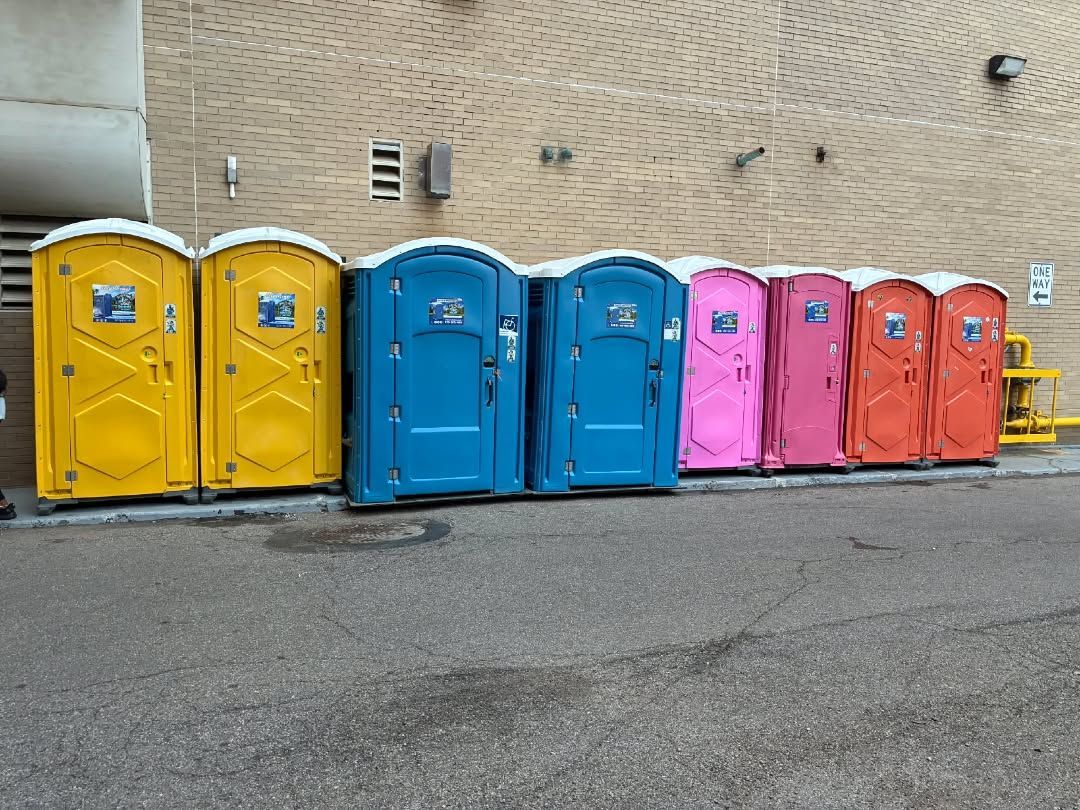
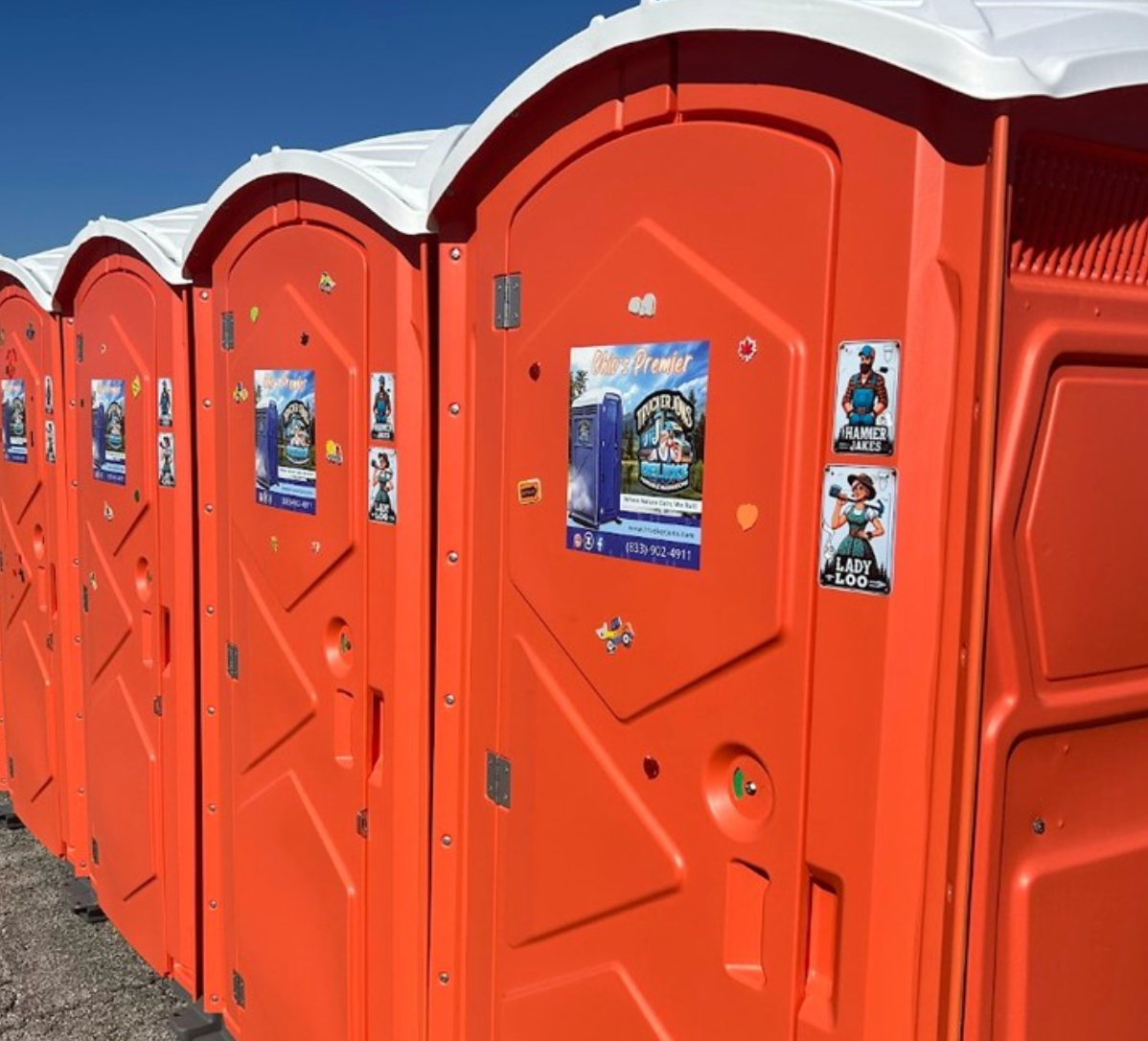
Portable restrooms are one of those everyday conveniences that almost disappear into the background—until you need one. When you walk past a row of brightly colored units at a fairground or a construction site, you’re witnessing the latest evolution in a centuries‑old quest to provide clean, accessible sanitation in places without permanent plumbing. Today’s portable toilets range from simple, no‑frills “porta‑potties” to elegant restroom trailers that feel like stepping into a spa. In this article, I’ll explore how the humble portable toilet earned so many names, what professionals actually call them, and why it matters.
The Evolution of Portable Toilets: From Outhouse to Porta Potty
Centuries before modern plumbing, people resorted to outhouses and chamber pots, but these methods were neither sanitary nor convenient. Fast forward to the 1940s, when shipyard owners created lightweight wooden units for employees who worked far from shore. These early “jobsite johns” kept workers productive and signaled the birth of the portable sanitation industry. Today’s portable toilets incorporate sturdy polyethylene shells, ventilation systems and deodorizing chemicals. They have evolved to meet diverse needs—from remote farm fields to wedding venues—showing how innovation can spring from a seemingly humble necessity. The evolution also reflects cultural changes in how society views public hygiene and mobility. Whereas outhouses were permanent fixtures, a porta potty is deliberately temporary, designed for quick setup and removal when the event ends.
A Shift Toward Customer Comfort
As consumer expectations grew, so did the amenities. Early models were heavy and difficult to clean, but advancements in materials science introduced lightweight plastics that resist weather and rust. Modern units feature hand sanitizer dispensers, antibacterial surfaces, and improved ventilation. Luxury restroom trailers even offer climate control, mirrors, and tasteful décor, proving that portable doesn’t have to mean primitive. This range of options has led to a more professional industry focused on hygiene, environmental responsibility, and comfort.
What is the professional name for a porta potty?
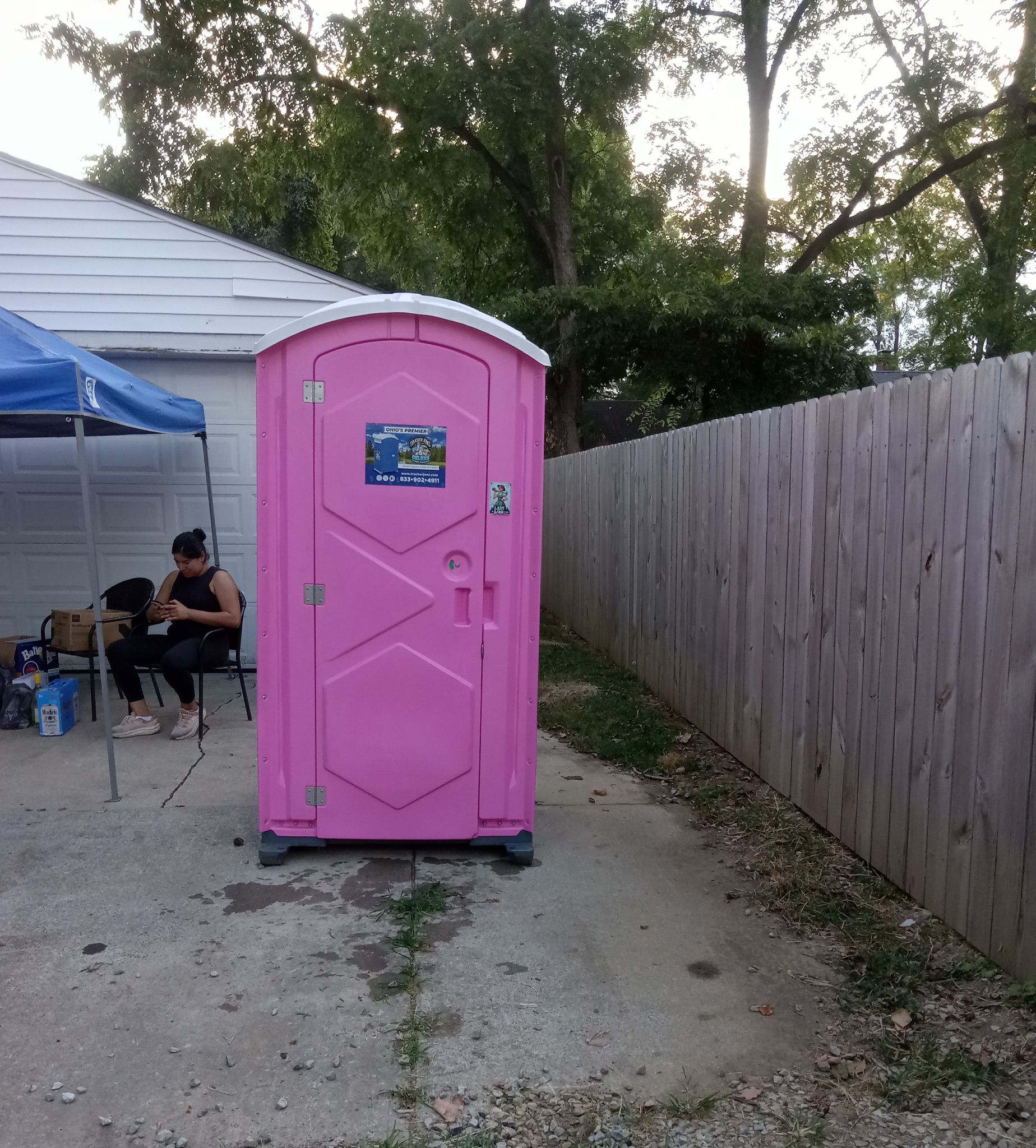
Though “porta potty” is the most recognizable term, professionals use “portable toilet” or “portable restroom” to describe the category of movable sanitation units. According to industry guides, this umbrella term covers any bathroom facility that isn’t fixed in place—whether it’s a single freestanding unit or a multi‑stall trailer. The distinction is important because not all portable toilets are the same. Basic units provide a simple seat and holding tank, while deluxe models include flushing capabilities and handwashing stations. Industry experts emphasize that “portable toilet” conveys a sense of completeness and professionalism that suits formal events or corporate settings.
Why terminology matters
Using the proper term helps rental companies communicate clearly with customers. When you call and request a “portable restroom,” operators understand you might want options like VIP trailers or ADA‑compliant units. Calling it a porta potty might imply you only need the basic model. Understanding these nuances helps clients order exactly what they need, ensuring guests or workers have suitable facilities. It also elevates the perception of the service, aligning it with standards of cleanliness and reliability.
What is another word for a porta potty?
Language is a living thing, and regional differences have produced an array of nicknames. In more formal contexts, you might hear “portable loo,” especially in the UK or Australia. In technical settings, “mobile toilet” emphasizes the unit’s mobility and adaptability. Another term, “chemical toilet,” highlights the odor‑control chemicals used to manage waste. These names underscore different features—mobility, sanitation chemistry, or geographic preference—yet they all refer to the same essential function: a convenient place to answer nature’s call when plumbing isn’t available.
When language gets creative
Beyond the formal names, there are playful alternatives. “Honey bucket” is a common slang term in the Pacific Northwest, while “biffy,” popular in the Midwest, has unclear origins but adds a lighthearted tone. “Sani‑john” is a branding twist that highlights cleanliness. These colorful nicknames can make it easier to talk about something that might otherwise be awkward. They also reveal how communities adopt shared language to inject humor into mundane topics.
What do people call porta‑potties?
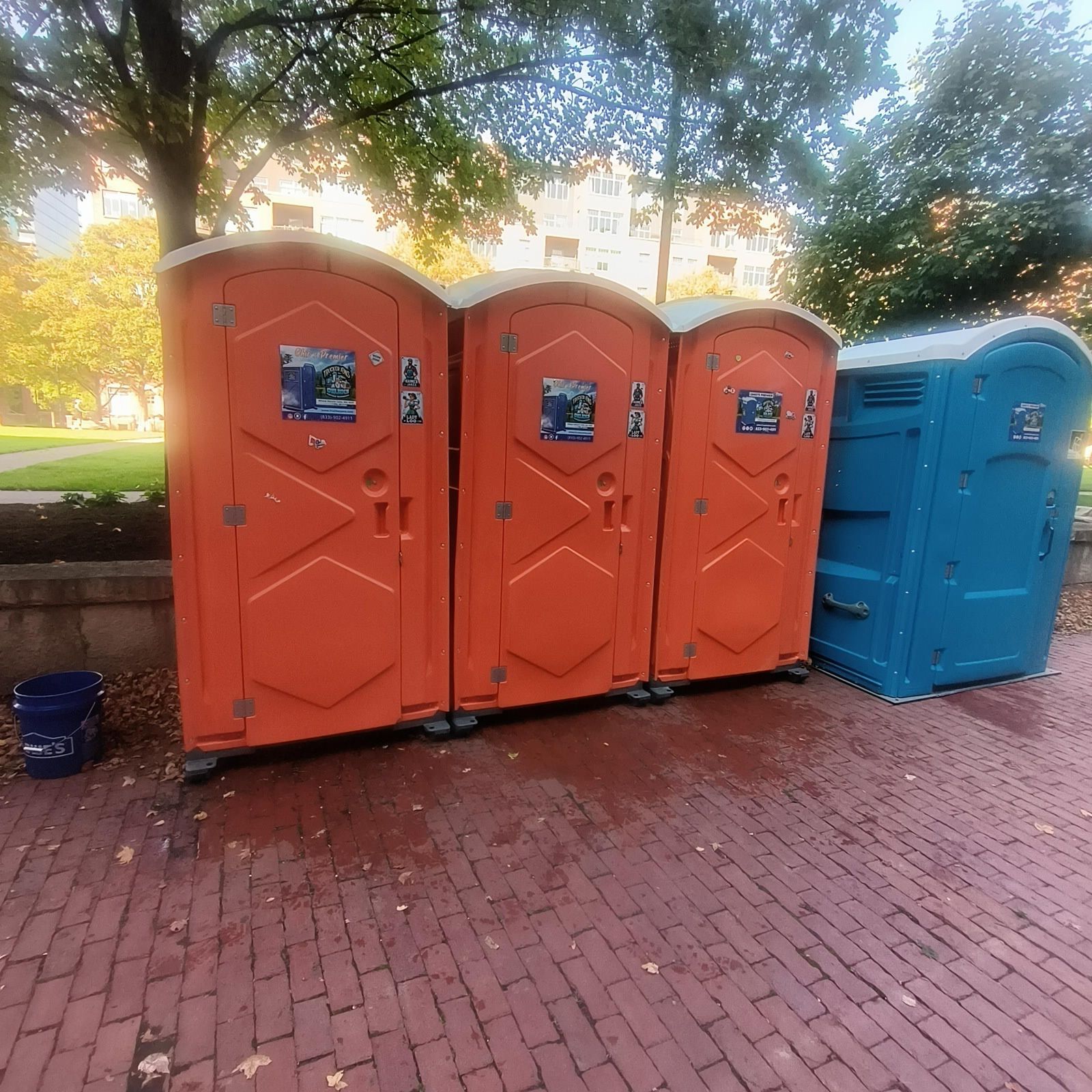
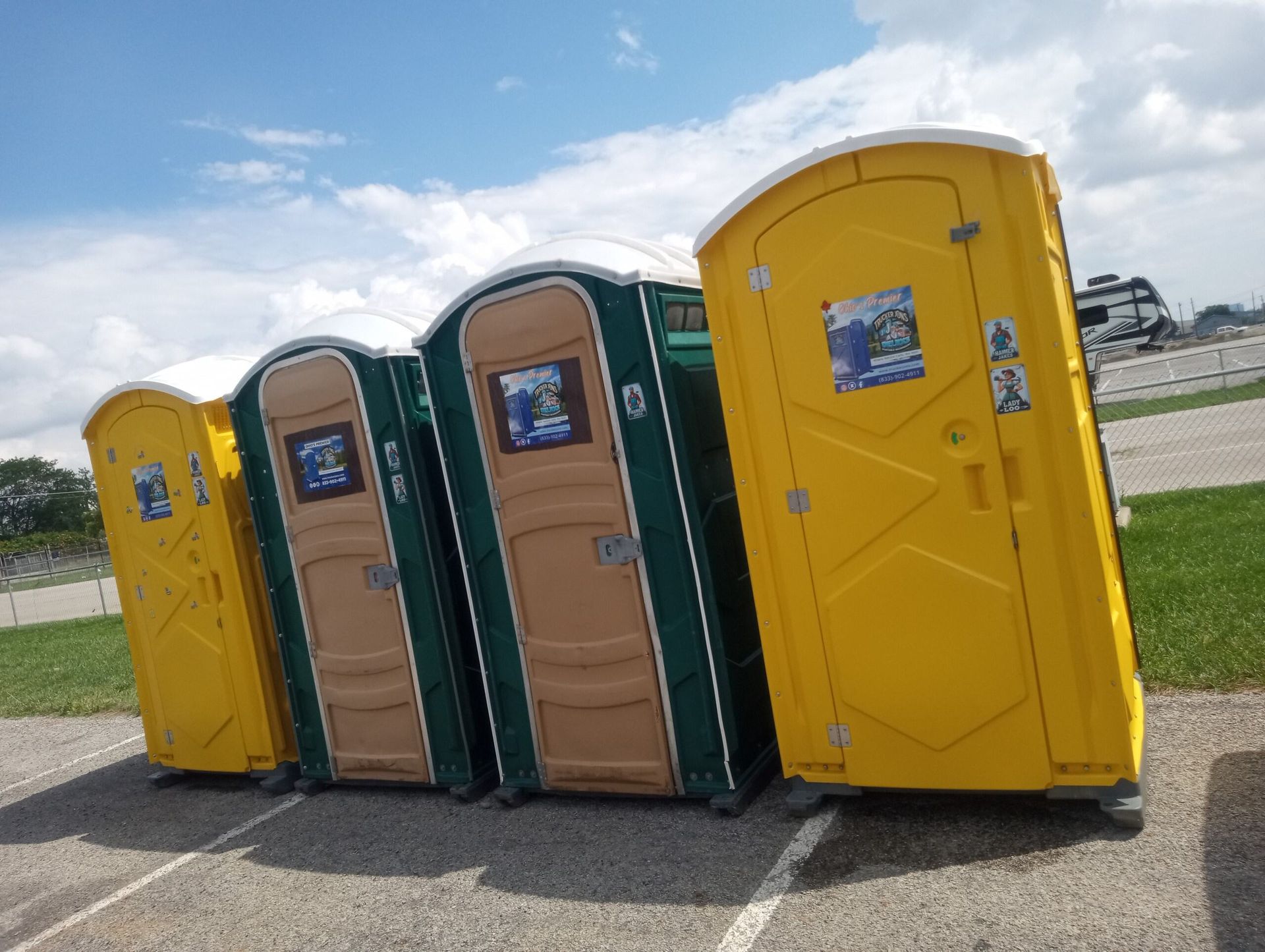
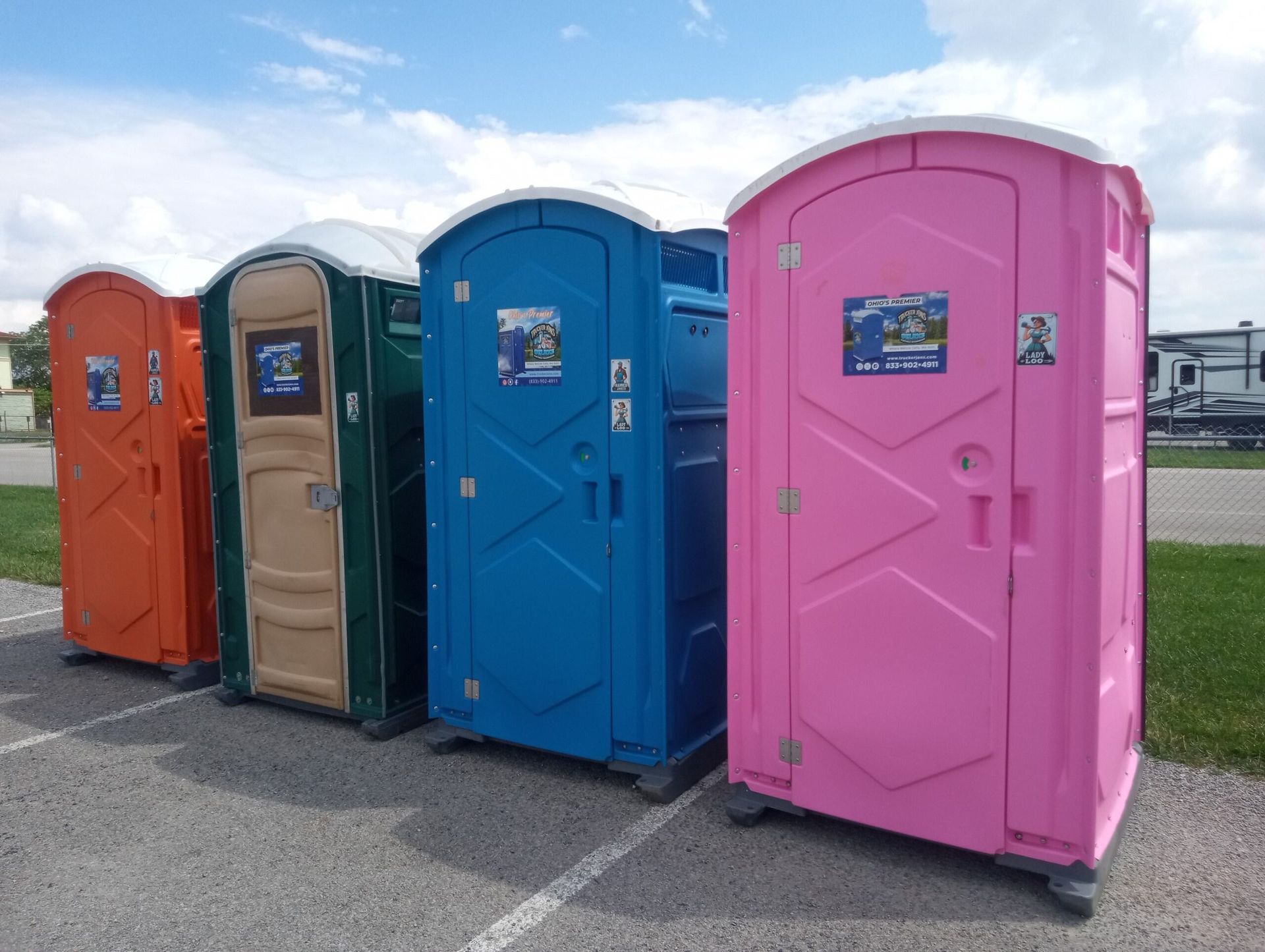
If you travel across the United States, you might hear different colloquialisms. One region might prefer “porta‑john,” a slang term for basic units, while another uses “portable outhouse,” even though outhouses are permanent structures. Festivals sometimes refer to rows of portable toilets as a “port‑a‑potty bank,” conveying the idea of multiple units lined up to handle large crowds. Such phrases create shared expectations about facilities at public gatherings. Ultimately, the variety of names reflects the widespread use of portable toilets across events, industries and communities. No matter what you call them, they aim to provide comfort and dignity wherever indoor restrooms are out of reach.
Cultural context and humor
Many nicknames double as light entertainment. Events may dub their units “Blue Rooms” because portable toilets are often blue. Others call them “Tinkle Tents” at family‑friendly festivals. Using humor reduces the awkwardness of directing guests to the restroom and helps maintain a relaxed atmosphere. While fun nicknames are welcome, professionals usually stick to the proper terminology in contracts and technical discussions to avoid confusion.
Why is a porta potty called a kybo?
“Kybo” is a term with roots in scouting culture. Many scouts and campers refer to the camp latrine as the kybo, perhaps derived from an old brand of coffee can used as an improvised toilet. Some folklore attributes it to the playful acronym “Keep Your Bowels Open,” though evidence is sparse. Regional quirks often influence adoption; in parts of the Midwest, kybo is used interchangeably with porta potty. The nickname evokes childhood summer camps and the shared experience of outdoor living. Its persistence shows how language from niche communities can enter broader usage. Understanding these unique terms helps event planners speak the local language when ordering sanitation services in particular regions.
Why nicknames matter
Learning the origins of “kybo” or “honey bucket” connects us to cultural history. These words aren’t just silly; they carry meaning about shared experiences and regional humor. When planning events, knowing these nicknames can improve communication with guests who may be more comfortable with familiar terms than formal descriptions. It also helps marketers create memorable, culturally sensitive branding for their rental services.
Variety and Features of Portable Restrooms
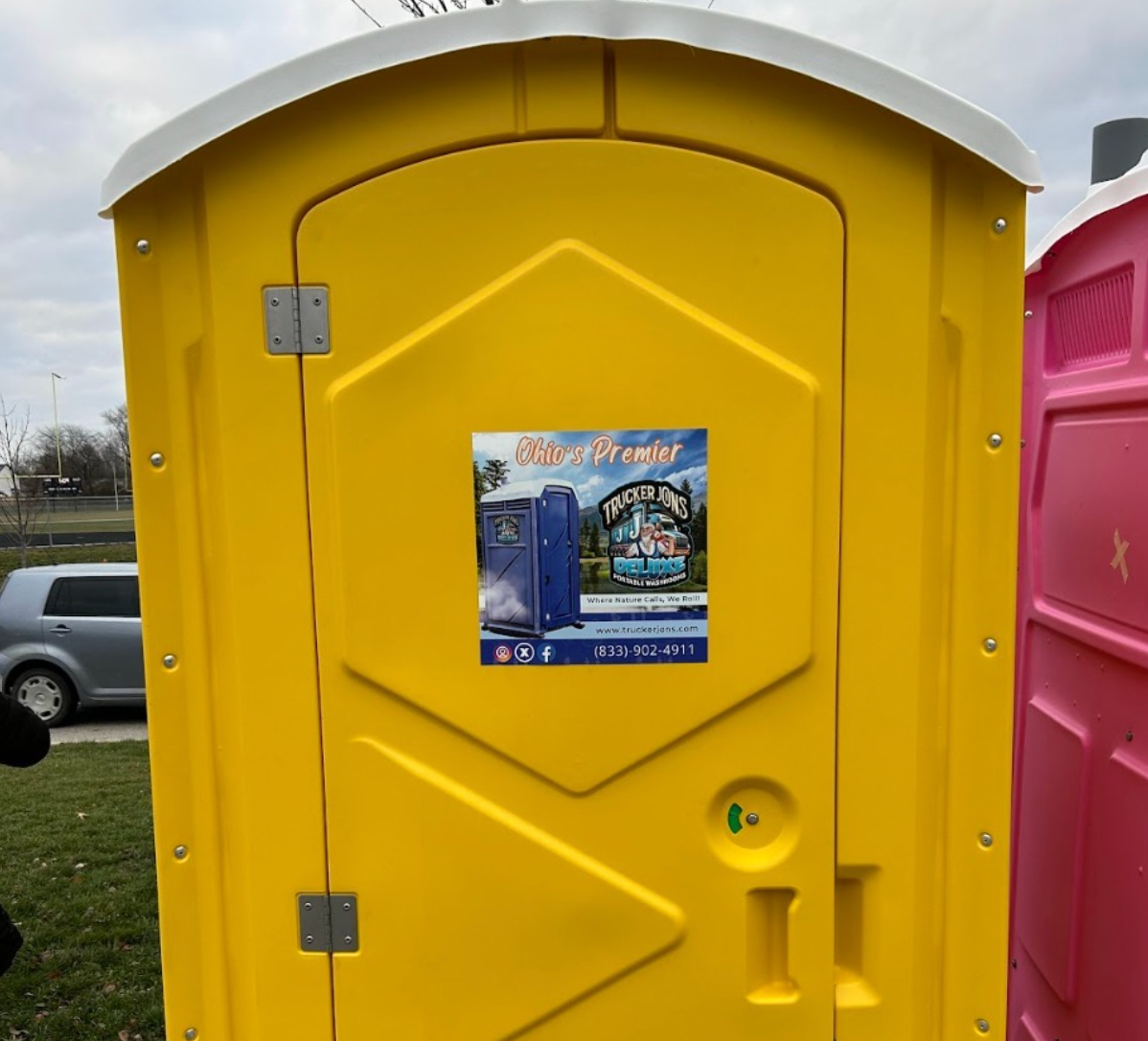
Not all portable toilets are created equal. A classic porta potty is a standalone unit with a toilet, urinal and hand sanitizer; there’s no sink or flush. These no‑frills models serve construction sites and smaller events. Deluxe or “elite” units include a small sink with running water and paper towels for improved hygiene. At the top of the spectrum are restroom trailers, which offer climate‑controlled interiors, hot and cold water, lighting, large mirrors, cabinetry and even décor. These luxury trailers can feel indistinguishable from indoor bathrooms, making them ideal for weddings or corporate galas. Understanding the variety allows organizers to match restroom type with event atmosphere and budget.
Matching units to needs
When planning an outdoor celebration, consider how many guests will attend and how long they’ll stay. More lavish events might warrant a luxury trailer, especially if attendees are dressed formally or will be on site for several hours. Meanwhile, worksites typically opt for basic units but may add a handwashing station to promote sanitation. This attention to detail ensures that the facility you choose is appropriate for the occasion, demonstrating respect for guests and compliance with health regulations.
Environmental Benefits of Portable Restrooms
Beyond convenience, portable toilets are surprisingly eco‑friendly. A typical running toilet can waste up to 200 gallons of water per day, but portable toilets use about 90 percent less water. According to the Portable Sanitation Association International, portable restrooms save roughly 45 billion gallons of freshwater annually. This efficiency reduces pressure on local water supplies, making portable toilets an important tool for sustainable event planning. Deodorizing chemicals inside the units help mask odors and inhibit bacterial growth, maintaining hygiene without constant water use.
Sustainability in practice
When you rent portable restrooms, you’re not only solving a logistical problem—you’re making an environmentally conscious choice. Fewer flushes mean less wastewater, which lowers the burden on municipal systems. Many rental companies also focus on responsible waste disposal and eco‑friendly cleaning products. For environmentally minded planners, highlighting these benefits can enhance the reputation of an event or project.
Choosing the Right Portable Restroom for Events
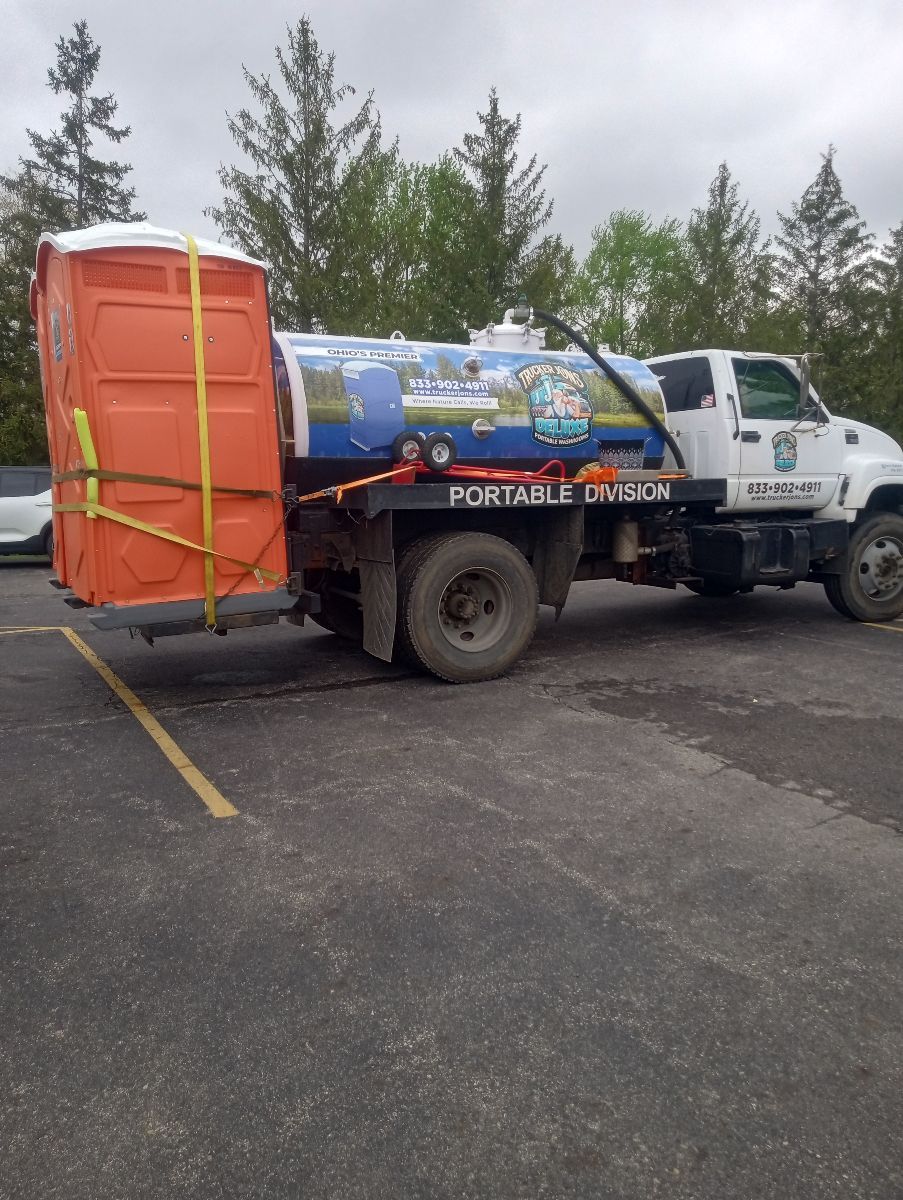
Selecting the right portable restroom starts with understanding your crowd. Large public festivals require basic units in high numbers, while more intimate gatherings may justify a few deluxe units. Companies like Trucker Jon’s make it easy with services such as Premium Portable Restroom Rentals, which offer upscale options that blend into stylish décor. Working with A Portable Rental Sanitation Company ensures you get professional advice tailored to your situation. Even non‑sanitation products—like Dumpster Trailers Rentals—play a role in overall site cleanliness, keeping trash and waste under control. For specialty needs, companies can assist with Other Portable Rental Sanitation Services such as handwashing stations and ADA‑compliant units. Leveraging a single trusted provider simplifies logistics and ensures consistent quality across all sanitation needs.
Planning tips
To determine how many units you need, consider factors like guest count, alcohol consumption and event duration. A good rule of thumb is to provide one toilet per 50 attendees at a minimum. If you expect high foot traffic or extended hours, add more units. Don’t forget to plan for cleaning schedules, especially at multi‑day events. Also, think about accessibility—restroom trailers and ADA‑accessible units can ensure everyone has equal access. Lastly, link the rental timeline with other logistics so that restroom delivery, trash removal, and site setup occur in a coordinated fashion.
Understanding Public Perception and Etiquette
People have varied responses to portable toilets. Some still associate them with unpleasant smells or unsanitary conditions, but modern technology has largely dispelled these stereotypes. Proper maintenance and regular servicing are key to keeping units clean and odor‑free. As a host or site manager, you can reassure guests by choosing reputable vendors and placing restrooms in well‑ventilated, accessible locations. Signage also matters. Clear directions help prevent people from wandering into restricted areas and reduce wait times. While humor (e.g., labeling units “Tinkle Tent” or “Loo with a View”) can break the ice, always maintain a tone that respects the basic dignity of your guests.
Etiquette for users
Users also play a role in keeping portable toilets pleasant. Encourage proper disposal of paper products and remind guests not to throw trash into the holding tank. Providing nearby hand sanitizer or handwashing stations encourages hygiene and prevents the spread of germs. Small touches like outdoor lighting or decorative screening can make the experience feel safer and more comfortable, especially at evening events. Hosting a short briefing at the start of an event about restroom locations and etiquette can preempt confusion and help everything run smoothly.
Historical Nuggets and Fun Facts
The origin of the word “john” for a toilet has its own fascinating history. According to one exploration, the nickname blends medieval slang and the influence of Sir John Harington, who invented one of the first flushing toilets in the 16th century. If you’re curious, you can read more in this engaging article: Why is a Bathroom Called a John?. Other unusual terms, like “head” in the U.S. Navy, remind us that bathroom slang often comes from specific cultures and professions. Understanding these historical tidbits adds richness to the everyday task of choosing a portable toilet. It also highlights how language evolves to capture both practical innovation and our collective imagination.
Embracing the lighter side
Portable toilets may not be the most glamorous topic, but they play a vital role in public health and convenience. Embracing the lighthearted nicknames, the professional terminology, and the environmental benefits allows us to view them in a new light. Next time you head to an outdoor concert or see a row of brightly colored units at a construction site, you might appreciate the engineering and planning that go into providing that simple moment of relief.