
Why do porta potties smell like that?
Portable restrooms are a staple at outdoor events, construction sites and remote locations. Even so, many people ask “Why do porta potties smell like that?” The answer isn’t complicated; it lies in biology, chemistry and maintenance. Properly serviced units should have little to no odor, but neglect and environmental factors can turn a portable toilet into a smelly nightmare. This article explores the science behind porta potty odors, how modern units combat smells and what you can do to keep them fresh. Throughout the discussion you'll find several links to Portable Restroom Rentals, Premium Portable Restroom Rentals and Other Portable Rental Sanitation Services, giving you direct access to reliable sanitation solutions when needed.
Understanding the science behind porta potty odors
Human waste contains organic matter that is quickly broken down by bacteria. In a confined, dark space like a porta potty, these microorganisms metabolize the waste and release odorous gases such as ammonia and hydrogen sulfide. Research on portable sanitation systems notes that high temperatures accelerate this decomposition process, causing more gases to be produced. During the summer, heat decreases the energy required for odor‑causing chemicals to evaporate, making smells stronger. Humidity also amplifies odors by creating an ideal environment for bacterial growth.
Portable toilets use a blue chemical solution to slow this natural process. These solutions contain biocides to inhibit bacterial growth, surfactants to break down solids and fragrances to mask residual odors. Over time, however, the chemicals become saturated with waste and lose effectiveness. Without regular pumping and replacement, the breakdown of waste resumes at full speed, leading to the familiar “porta potty smell.”
How to make a porta potty not smell?
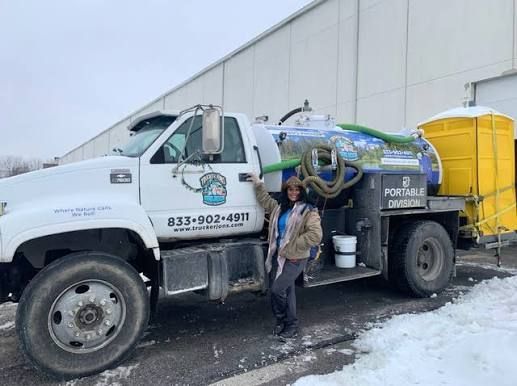
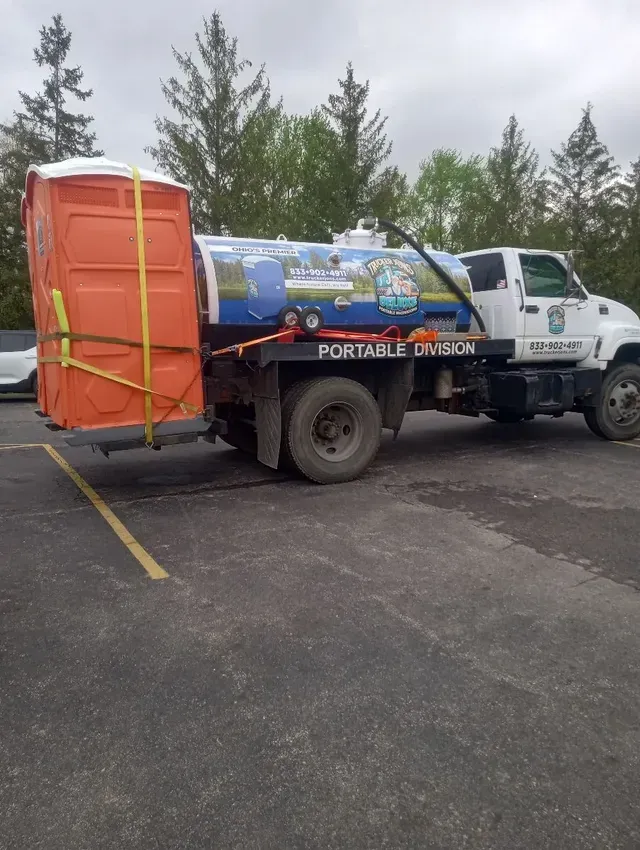
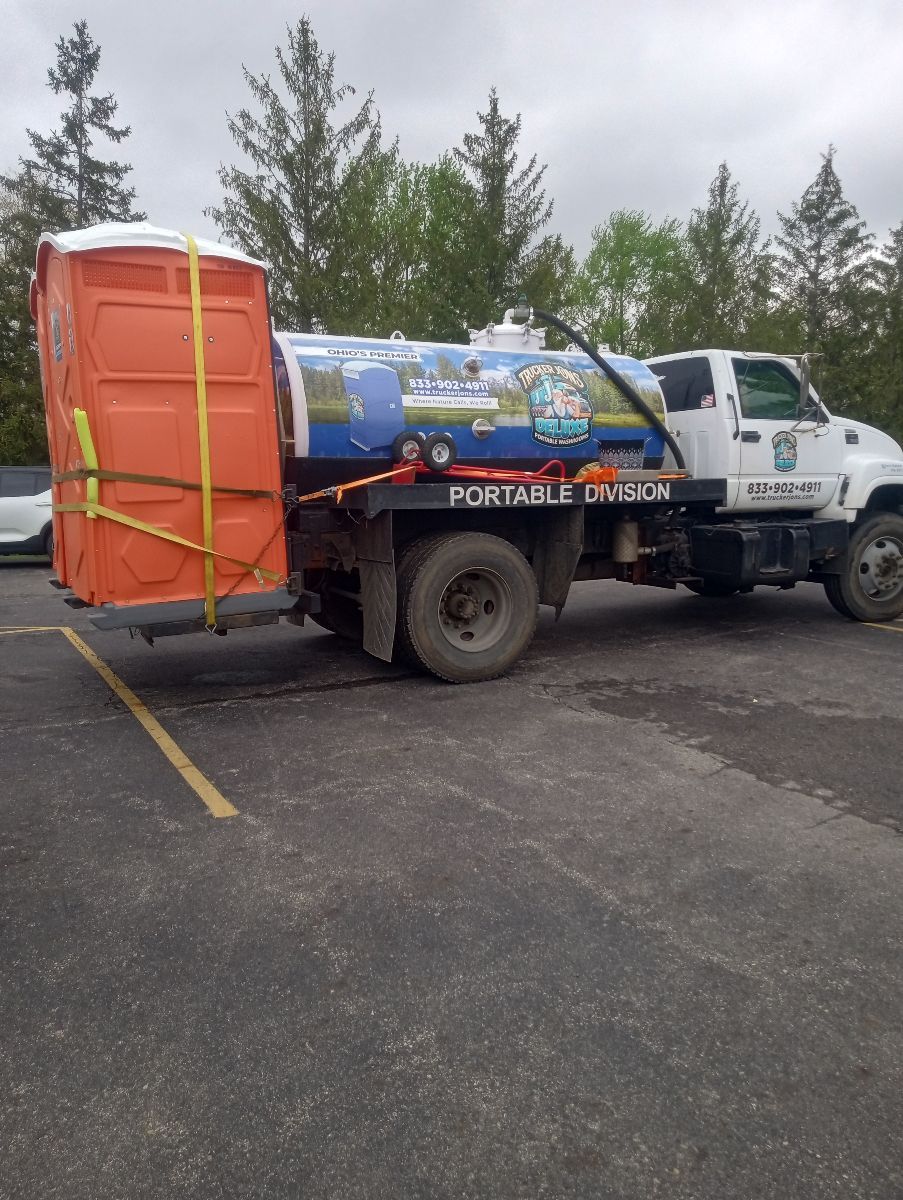
The key to odor‑free units is a rigorous maintenance schedule. Sanitation professionals recommend emptying and cleaning high‑traffic units daily and low‑traffic units weekly or bi‑weekly. Regular pumping prevents waste buildup, which is the number one cause of strong odors. After pumping, technicians refill the tank with fresh blue chemicals and disinfect the entire unit, including walls, floors and ceilings. This deep cleaning removes bacteria and grime that might linger on surfaces, further reducing smell.
Another simple tactic is to air out the unit. Keeping the door closed traps fumes, whereas propping it open for 30 minutes during slow periods can significantly reduce odors. Adding ventilation—such as vent pipes, screened windows or solar‑powered fans—introduces fresh air and allows gases to escape. Shade also plays an important role; placing units in a shaded spot can reduce odors by as much as 80 percent.
What neutralizes the smell of feces?
Neutralizing odors requires more than masking them. Biocides and enzyme‑based products disrupt bacterial activity, preventing the formation of odorous gases. Biological treatments like those used in commercial sanitation apply bacteria and enzymes that digest waste naturally. These treatments break down solids, inhibit the production of foul gases and promote aerobic decomposition, which generates minimal smell. In high‑traffic scenarios, they can be re‑applied weekly to maintain efficiency.
Chemical deodorizers also help. Modern blue chemicals include Metazene, a molecular odor neutralizer that encapsulates odors rather than simply masking them. For eco‑friendly options, vinegar and baking soda provide natural odor control and can be used when cleaning the holding tank. Activated charcoal can absorb odor molecules; placing a small bag of charcoal inside a unit is a low‑cost way to keep smells at bay.
Quick comparison of odor control methods
- Blue chemical treatments
- Main mechanism: Biocides, fragrances, and surfactants slow bacterial growth and help break down solids
- Recommended application: Refill after each pumping or when the blue color fades
- Enzyme or bacteria treatments
- Main mechanism: Introduce beneficial microbes that digest waste and reduce odor at the source
- Recommended application: Apply weekly for high-traffic units
- Ventilation and shade
- Main mechanism: Reduces heat and humidity, improving airflow and overall air quality
- Recommended application: Install vent pipes or fans and place units in shaded areas
- Natural remedies
- Main mechanism: Vinegar, baking soda, and charcoal absorb or neutralize odors
- Recommended application: Use as a supplement to regular cleaning, not as a replacement
What chemical is in a porta potty?
The iconic blue liquid used in portable restrooms is a mixture of biocides, surfactants, dyes and fragrances. Biocides inhibit bacterial growth, surfactants help dissolve solids and dyes mask the appearance of waste. If you notice that the liquid has lost its blue tint, it’s a sign that the chemicals have been exhausted and the unit needs servicing. Premium formulas may include odor‑neutralizing compounds like Metazene or plant‑based enzymes. When selecting a rental provider, ask about the type of chemicals they use; effective solutions should break down waste quickly, control odors and last through heavy use.
Why do porta potties smell like that? – environmental & seasonal factors
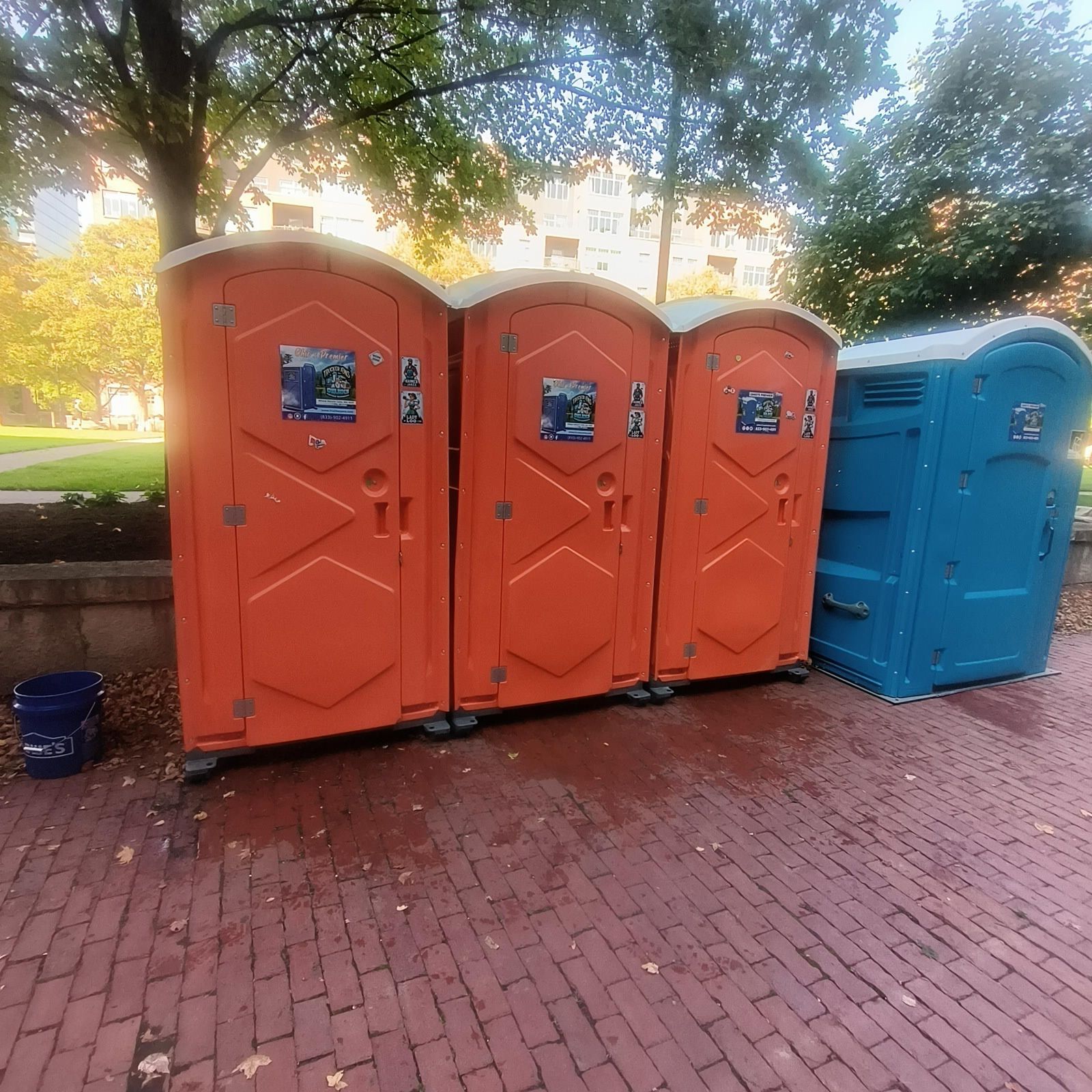
Heat and humidity are the most common environmental contributors to porta potty odors. High temperatures accelerate the transition of odor‑causing chemicals from liquid to gas, increasing smell intensity. Humid conditions allow bacteria to thrive, further amplifying odors. In extreme heat, chemicals can degrade faster, so using heat‑resistant agents is essential for summer events. Placing units in shaded areas and positioning them downwind to capture natural breezes can dramatically cut odors. Proper spacing—at least three to five feet apart—improves airflow and prevents odor concentration.
Cold weather isn’t without challenges. Low temperatures slow bacterial action, making biocides less necessary but also causing liquids to thicken. In winter, consider insulating units or choosing models with heated interiors to keep chemicals effective and users comfortable. Regardless of the season, a proactive service schedule remains the best defense against odor accumulation.
Maintenance schedules: how often should you pump and clean?
An effective odor control program balances pumping frequency with usage patterns. For low‑traffic areas such as small parks or remote jobsites, empty tanks every two to three weeks. Medium‑traffic scenarios like construction sites require weekly pumping. High‑traffic events—think music festivals or fairs—benefit from daily service to prevent rapid waste accumulation. Surface disinfection should occur daily or every few days, focusing on high‑touch zones like door handles and seats. Deep cleaning, including pressure washing and re‑sealing, should be performed monthly.
For long‑term rentals, daily upkeep includes restocking supplies, performing spot cleaning, monitoring odor levels and ensuring proper ventilation. Keeping a maintenance log that tracks pumping dates, chemical refills and cleaning notes helps prevent oversights and ensures consistent service.
What is the best deodorizer for a porta potty?
The best deodorizer combines efficacy, ease of use and environmental safety. Traditional blue liquids remain the most common choice because they provide broad‑spectrum odor control and are easy to dispense. Enhanced formulas with long‑lasting fragrance straps or pre‑measured pouches can provide extended odor protection. For eco‑conscious users, enzyme‑based packets or plant‑derived chemicals break down waste naturally and avoid harsh synthetic ingredients. Activated charcoal and essential oils can supplement these methods, but they should not replace regular pumping and sanitation.
Best practices for users to reduce odors
Individual behavior plays a role in keeping porta potties fresh. Encourage users to close the lid after use; this simple action prevents odor from escaping and aids the vent system. Provide hand sanitizer and remind guests to sanitize their hands, limiting cross‑contamination and the spread of germs. For added comfort, carry a pocket‑sized air freshener or personal hand spray to mask any residual odor after use. Ventilate the unit by cracking the door open when possible, especially during warm weather. Even small steps like wearing slip‑on shoes or limiting contact with surfaces can improve the user experience.
Partnering with professionals for odor‑free portable restrooms
Ultimately, the most reliable way to prevent porta potty odors is to partner with a professional sanitation company. Experienced providers ensure that each unit is cleaned, disinfected and serviced at appropriate intervals. They use the right chemicals and equipment, manage waste disposal and offer guidance on strategic placement to maximize shade and airflow. Working with experts also guarantees compliance with health regulations and ensures that your event or worksite meets sanitation standards. If you're seeking Portable Restroom Rentals, Premium Portable Restroom Rentals or Other Portable Rental Sanitation Services, choose companies that emphasize cleanliness, responsive service and quality equipment.
How to Get Rid of the Bad Smell in a Porta Potty?
If odors persist despite routine maintenance, consult a detailed repair guide. This resource explains step‑by‑step methods to deep clean the unit, replace faulty components and select the right odor‑control products. For more information, see How to Get Rid of the Bad Smell in a Porta Potty?, which offers practical tips and troubleshooting strategies.
Conclusion: Keeping porta potties fresh
Portable toilets don’t have to be synonymous with bad smells. By understanding why they smell—primarily bacterial decomposition and chemical breakdown—you can take proactive steps to keep them fresh. Regular pumping, effective chemicals, proper placement and adequate ventilation all play crucial roles in controlling odors. Natural remedies like baking soda, charcoal and vinegar can supplement these methods but should not replace professional maintenance. Users also have a part to play by practicing good hygiene and following simple etiquette.
When you invest in quality Portable Restroom Rentals or Premium Portable Restroom Rentals and follow best practices, your guests and crew will appreciate the difference. Remember, it’s not the porta potty itself that smells—it’s what happens when neglect meets nature. With thoughtful planning and consistent care, even the busiest portable toilets can remain clean, sanitary and virtually odor‑free.
For an in‑depth look at eco‑friendly deodorizing options, read this expert article on fragrance solutions for restroom sanitation
Fragrance Solutions in Restroom Sanitation.