What do the British call a porta potty?
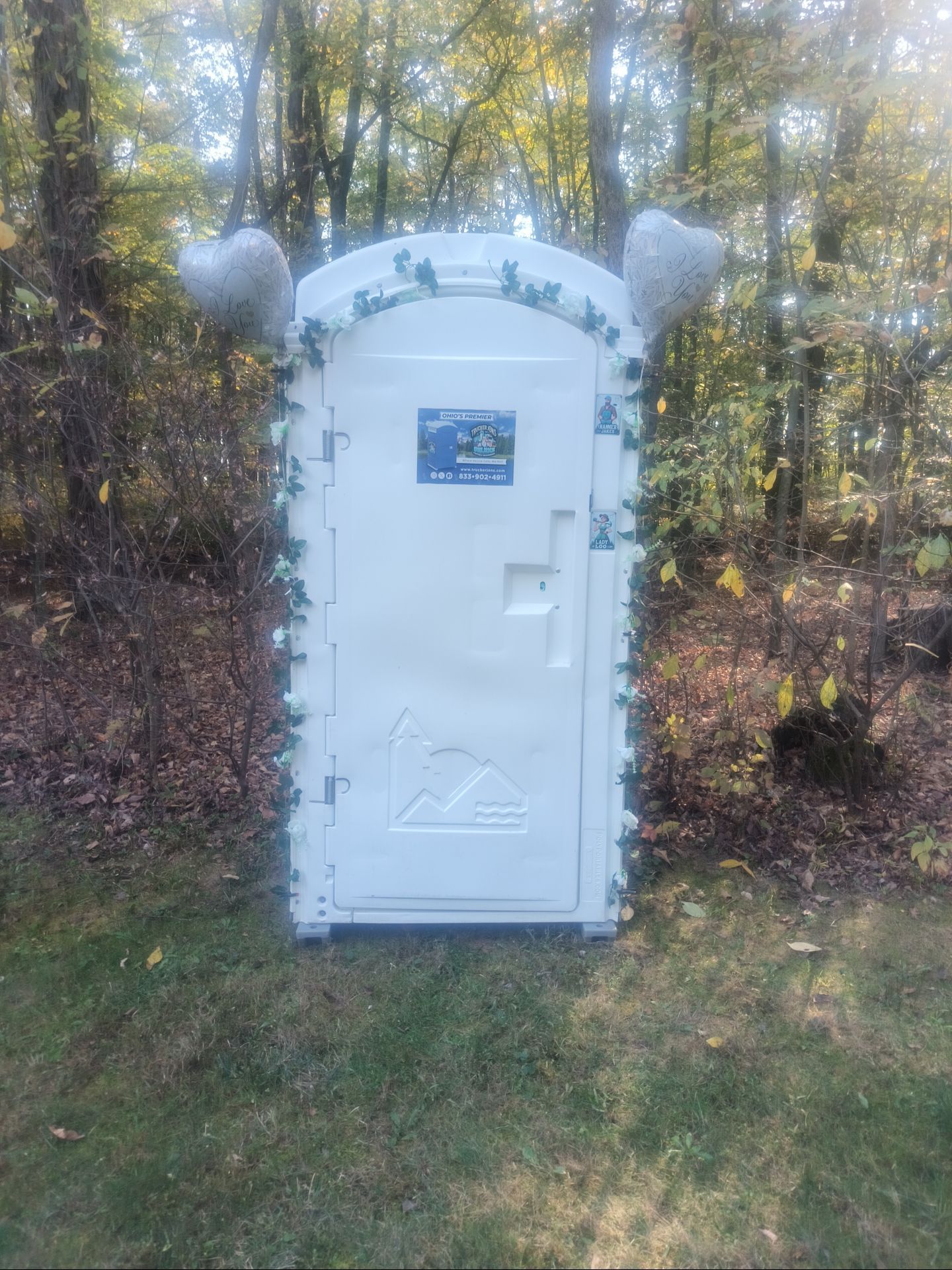
Portable toilets are a part of daily life. We see them at concerts, construction sites and community fairs, and we count on them to solve nature’s call when plumbing isn’t available. Despite their simple purpose, the names we give these small cabins are anything but simple. In British English, Americans hear a delightful array of nicknames that reflect culture, history and even trademarks. This article takes you on a tour of those names and explains what the British call a porta potty, why some nicknames stick, and how formal terms help professionals communicate clearly.
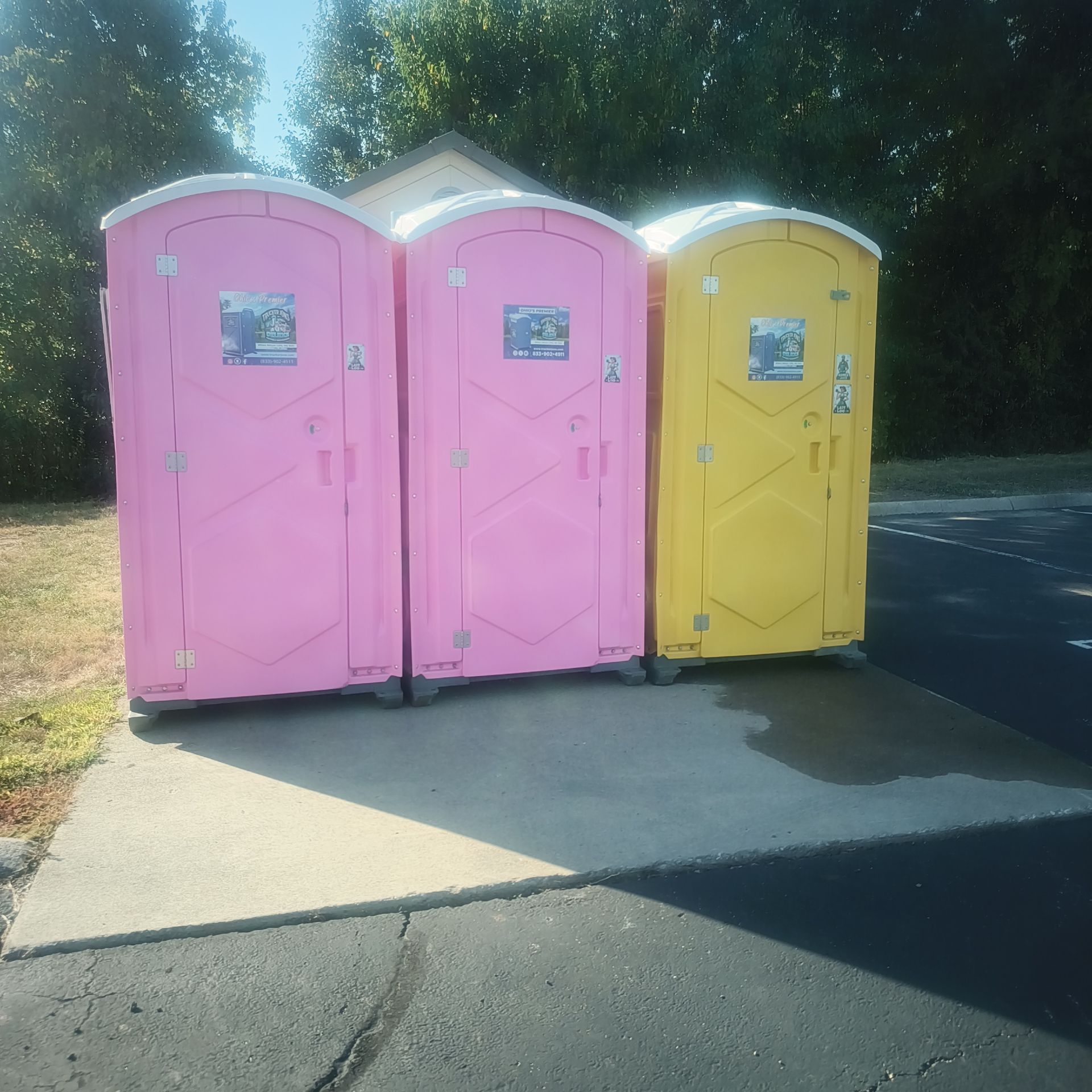
What do the British call a porta potty? The many names in the UK
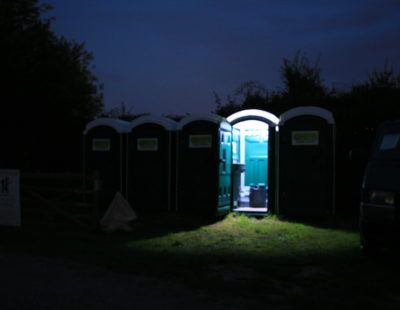
In the United Kingdom the most common word for a toilet is “loo,” so it’s natural that a portable toilet becomes a portable loo or porta‑loo. The term combines the colloquial “loo” with “portable,” and you’ll see it on signs at music festivals or charity races. Another British option is “bog,” a slang word for toilet that has been used since the mid‑20th century, though it can sound a bit crude. More formal speakers might refer to the WC, short for water closet, a term borrowed from continental Europe that appears on maps and train stations.
Many Britons also use the word Portaloo, which has become almost generic. According to chemical toilet research, Portaloo is actually a registered trademark for portable toilet and shower units made by Portakabin. Even though people may refer to all mobile toilets as Portaloos, only units manufactured by that company are entitled to the name. This is similar to how “Kleenex” stands in for tissues or “Hoover” for vacuum cleaners. Because the term is protected, companies that rent units for concerts or building sites often prefer the more generic “portable loo.”
Besides these mainstream names there is a sprinkling of regional slang. In northern England and Scotland the term privy—short for private place—harks back to outdoor outhouses and appears in some rural contexts. You may also hear Elsan in camping circles, named for a brand of chemical toilet dating back to 1925. In some circles the entire contraption is called a “bog roll” or “bog on wheels,” but those names are less polite. Understanding these distinctions helps travellers navigate British events and avoid faux pas.
Portable loo vs Portaloo: British tradename versus slang
The popularity of portable loo versus Portaloo highlights the tension between colloquial usage and trademark law. A Portaloo is a genuine product from Portakabin, introduced in the 1960s and still supplied throughout Britain. Because the company has defended its trademark, other vendors avoid using the word in marketing. Instead, they advertise portable loos or chemical toilets for hire.
Meanwhile, festival‑goers and construction workers often say porta‑loo—with a hyphen—to avoid infringing on the trademark while still conveying the concept. This distinction matters if you are planning to hire units for an event. A rental company might advertise Premium Portable Restroom Rentals linked through a services page such as Premium Portable Restroom Rentals to highlight high‑end units with flushing toilets, running water and climate control. Knowing whether you want a generic portable loo, a luxury trailer or an ADA‑compliant unit will determine which term you should use.
The formal name “chemical toilet” is also important. Chemical toilets are the type of portable toilet that uses odor‑control chemicals to break down waste. According to the Chemical Toilet entry in the Encyclopedia, these units are also known by tradenames such as Porta‑John, Porta‑Potty, Portaloo (British English) and honey bucket. When a facility uses chemicals to neutralize odors and bacteria, calling it a chemical toilet clarifies that it’s self‑contained and not connected to sewer lines. It also helps differentiate it from composting toilets or urine‑diverting dry toilets, which are more specialized systems.
Global nicknames: What do the British call a porta potty? A worldwide perspective
Britain’s fondness for the word “loo” sits within a rich global lexicon of portable‑toilet names. Many names reflect humor or cultural habits, while others derive from the companies that popularized them. The following table summarizes some of the better‑known terms by region:
- United Kingdom
- Common terms: Portable loo, porta-loo, Portaloo
- Notes: “Loo” is the standard British word for toilet; “Portaloo” is a trademark.
- Britain and Ireland slang
- Common terms: Bog, privy, the jacks
- Notes: “Bog” is an informal word for toilet; “privy” comes from “private place”; “the jacks” is Irish slang based on inventor Jack Power.
- United States (general)
- Common terms: Porta-Potty, Porta-John
- Notes: Most common U.S. names; originated in the 1960s and widely recognized.
- Pacific Northwest (U.S.)
- Common terms: Honey bucket
- Notes: Refers to honey-colored chemicals in tanks; also a regional company name.
- Midwestern U.S. & Scouting
- Common terms: Kybo, Biffy
- Notes: Used at camps and by scouting groups; origins include coffee cans or phrase “Keep Your Bowels Open.”
- Australia
- Common terms: Dunny on the run
- Notes: “Dunny” is Australian slang for toilet; phrase adds humor and mobility.
- Europe
- Common terms: WC (Water Closet)
- Notes: Common formal term on signage; stands for water closet.
- Canada
- Common terms: Portable washroom
- Notes: More formal term emphasizing both toilet and handwashing features.
Britain’s use of “portable loo” is thus part of a larger family of words that people around the world use to lighten conversation about an otherwise unglamorous subject. Recognizing these variations makes planning international events much easier, because you can specify exactly what you need when contacting rental companies.
Why is a porta potty called a kybo?
The term “Kybo” is most common in scouting circles and certain Midwestern communities in the United States. According to research by portable‑restroom providers, “Kybo” likely originated in the early days of scouting and camping. One story claims that the word comes from the acronym “Keep Your Bowels Open,” which older scouts shared with younger campers as a cheeky reminder. A more credible theory suggests the name arose from Kybo coffee cans that were repurposed as improvised toilets in campsites. The term stuck and is now used to describe temporary latrines at scout camps and music festivals.
For many scouts, the Kybo is more than a toilet; it’s a rite of passage. Camp leaders teach young participants to respect sanitation rules, clean up after themselves and maintain communal facilities. The term also fosters a sense of camaraderie—an inside joke known only to those who have spent nights under the stars. Outside of scouting, however, you’re unlikely to hear the word. Most rental companies will not know what you mean, so it’s best reserved for campfire stories.
What is honey bucket slang for?
Honey bucket is a charmingly misleading nickname used primarily in the Pacific Northwest of the United States. The name refers to the honey‑colored chemicals and waste that accumulate in the holding tank of a chemical toilet. In the early days of portable sanitation, barrels containing human waste were called honey wagons, and the nickname evolved into honey bucket. Today, Honey Bucket is also the name of a prominent portable‑restroom company in the region, which has helped cement the slang term in popular language.
While the name might make newcomers think of sweetness, anyone who has used a honey bucket knows there is nothing sweet about it. The euphemism softens the reality of handling human waste and makes it easier to direct guests at festivals or construction sites. Still, renters should know that honey buckets are essentially standard porta‑potties with deodorizing agents. If you want a higher level of comfort, consider a premium unit like those offered through Premium Portable Restroom Rentals, which may include flushing mechanisms, sinks and even air‑conditioning.
What is the fancy name for a porta potty?
When you want to elevate the restroom experience, the industry turns to “restroom trailers,” “luxury portable restrooms,” or “comfort stations.” Unlike basic units, these trailers include multiple stalls, running water, climate control, mirrors and tasteful décor. The idea is to provide the comfort of an indoor bathroom in an outdoor setting—think weddings, corporate fundraisers or VIP areas at sporting events. The Chemical Toilet article notes that luxury portable toilets often include amenities such as climate control and running water.
In addition to flushing toilets and vanity lighting, some luxury trailers offer sound systems or aroma diffusers. It’s common for these units to pair a toilet compartment with a separate handwashing station, reinforcing hygiene and comfort. Rental companies may advertise “restroom trailers” on their websites or refer to them as comfort stations to signal a higher level of service. When discussing upscale options, you might be directed to Handwashing Station Rentals or Portable Restroom Rentals for Construction Sites to help you tailor units for your event’s unique needs.
For those working in corporate or public administration settings, using the term “portable restroom” is often preferred. Professionals argue that “porta potty” sounds too informal and can imply a bare‑bones experience. By asking for a portable restroom, you signal a desire for modern amenities and proper sanitation. If you need a quote, it’s helpful to understand whether you’re renting a single premium unit or a multi‑stall trailer. That specificity influences planning and budgets, including considerations like porta potty rental cost per day.
What are porta‑potties called in the UK?
Britain isn’t the only place to use quirky names for portable toilets, but its variety deserves closer attention. The most frequent question international travellers ask is “What are porta‑potties called in the UK?” As mentioned, portable loo is the most widely accepted term, but there are alternatives. At some festivals you might see signs for the loo with a view, a playful phrase used for portable loos positioned overlooking scenic vistas. Parents at family‑friendly events sometimes direct children to the tinkle tent, a lighthearted nickname designed to make the experience less intimidating.
On the more technical side, British contractors and event planners often specify portable restrooms or chemical toilets in their documentation. This ensures they receive a self‑contained unit and not a composting toilet or simple bucket. Some outdoor enthusiasts use the phrase “bog on wheels” when referring to portable toilets at campgrounds, although this is considered informal. Understanding these nuances means you can navigate different contexts—informal gatherings, corporate events or rental discussions—without confusion.
Understanding portable restroom terminology: Formal versus informal
Why do so many names exist for such a simple device? Much of the variation arises from context. Formal terminology—portable restroom, portable washroom, chemical toilet, mobile toilet—appears in contracts, brochures and regulatory documents. These names emphasize function and compliance. For example, Canadians prefer portable washroom, which highlights the inclusion of a handwashing sinkmcsportables.com. Calling something a chemical toilet makes clear that it uses chemicals for odor control and that it is self‑contained.
Informal names, meanwhile, add personality or humor. Johnny‑on‑the‑Spot and Porta‑John are widely used in the U.S. to underscore convenience and reliability; they date back to the mid‑20th century and remain the default options on construction sitesmcsportables.com. The Blue Room refers to the color of many portable toilets and tries to make an unglamorous facility sound almost like a lounge. The Privy revives an archaic term in a nostalgic twist, while the potty wagon conjures images of a trailer full of toilets arriving to save the day. These nicknames lighten conversation and help attendants direct guests without embarrassment.
Understanding the distinction between formal and informal terminology helps ensure clear communication. When speaking with service providers, use formal names if you need a specific type of unit. When directing guests at a music festival, feel free to say “the porta‑loo” or “the honey bucket”—people will know what you mean. And if you encounter a Kybo at a camp, take a moment to appreciate scouting heritage.
Renting considerations: choosing the right portable restroom
Whether you’re planning an outdoor wedding, managing a construction site or hosting a community festival, selecting the right portable restroom is crucial. Start by considering the type of unit you need. Basic units provide a toilet and holding tank, while premium units offer features like flushing, ventilation and built‑in sinks. If your event attracts families or includes guests with disabilities, look for ADA‑compliant or spacious units that accommodate strollers and wheelchairs.
Next, think about proximity and servicing. Choosing a rental company near your event ensures timely delivery and efficient servicing if something goes wrong. For example, providers offering Portable Restroom Rentals for Construction Sites usually have service plans that include regular pumping and restocking of supplies. At weddings or VIP events, you might rent a luxury trailer that comes with an attendant who cleans and replenishes the facilities throughout the day.
Finally, consider your budget and duration. Rates vary depending on the unit’s size, features and how long you need it. For multi‑day events, some companies offer a flat rate based on the porta potty rental cost per day—knowing this figure ahead of time helps with budget planning. Discuss your requirements clearly with rental providers: specify whether you need high‑end Premium Portable Restroom Rentals, additional Handwashing Station Rentals, or basic units for a short‑term job site. Clear communication ensures your guests or workers have comfortable, hygienic facilities.
Conclusion
Names have power, even when we’re talking about portable toilets. Asking “What do the British call a porta potty?” opens a window into cultural preferences, corporate trademarks and the evolution of sanitation technology. In the UK, the humble portable loo is a fixture at festivals and building sites, while Portaloo remains a protected brandportakabin.com. Across the world, honey buckets, Kybos, bogs and restrooms trailers testify to the variety of solutions humanity has invented for a universal need.
As you plan your next gathering or project, pay attention to terminology. Using the right words helps rental companies deliver what you expect and shows respect for regional customs. Whether you opt for a simple portable loo at a village fair, a luxury restroom trailer for a wedding or a bank of portable restrooms at a job site, there’s a term that fits. And if someone at your event asks, “Where’s the loo?”, you’ll know exactly what they mean—and where to send them.