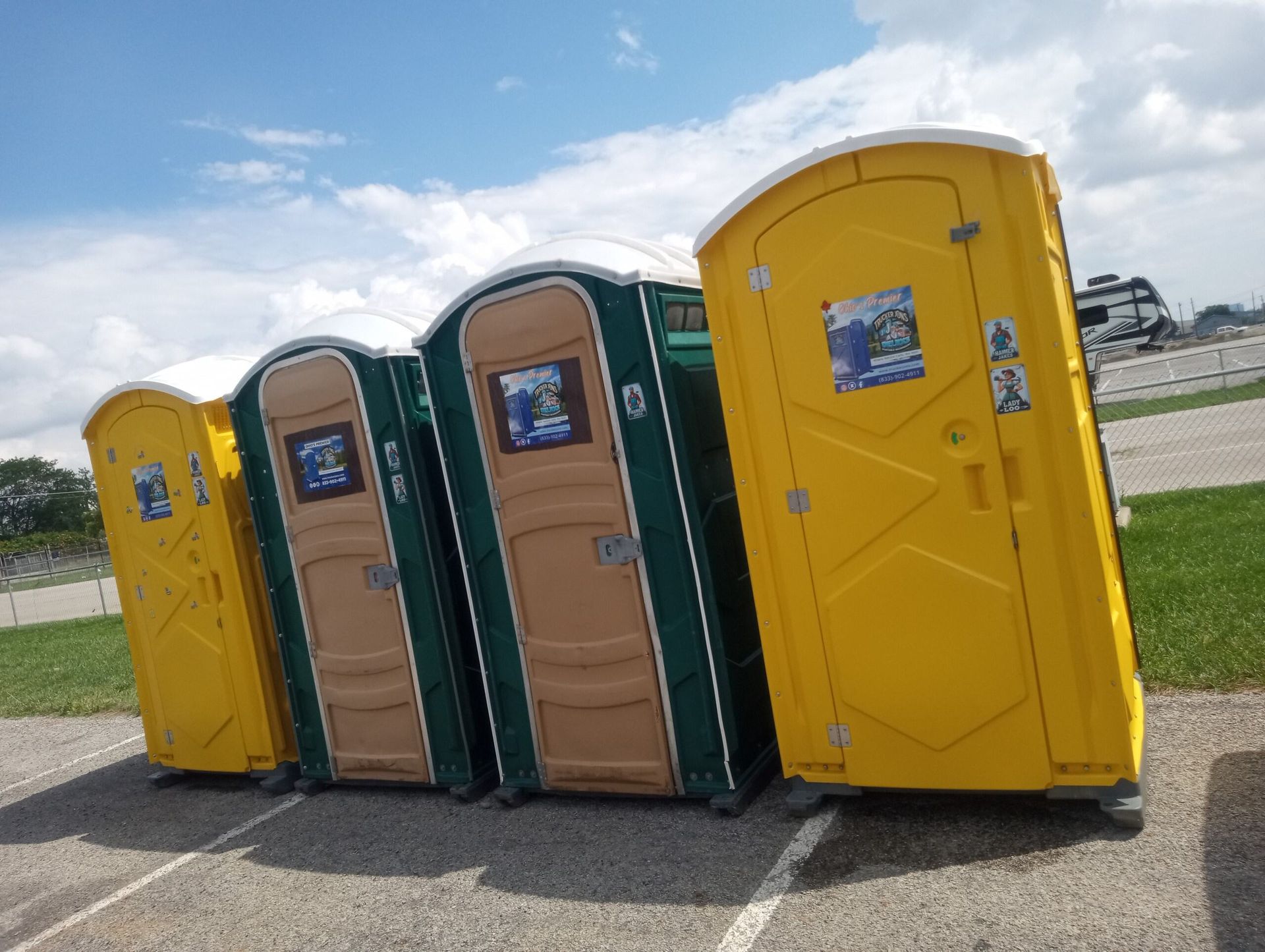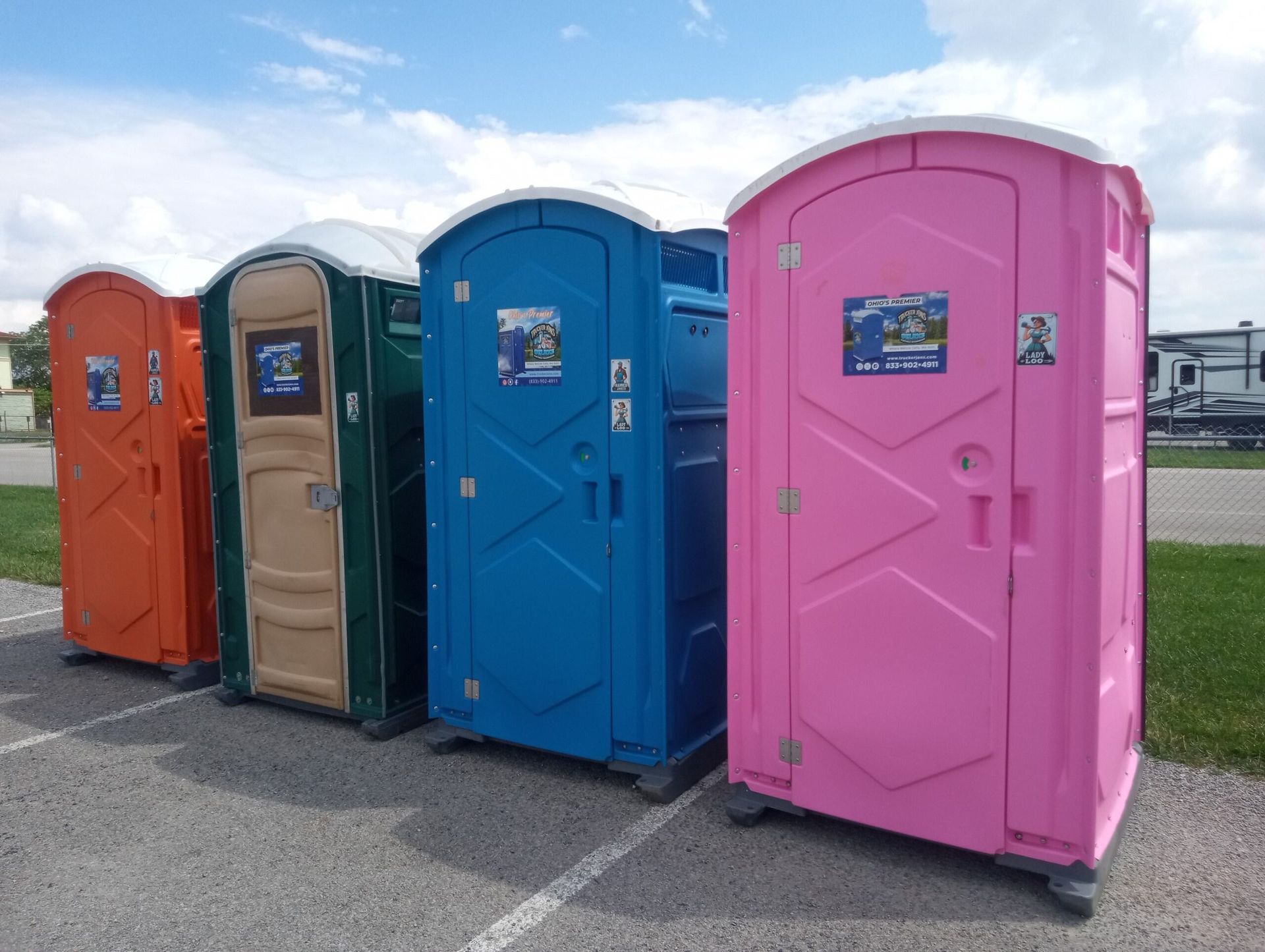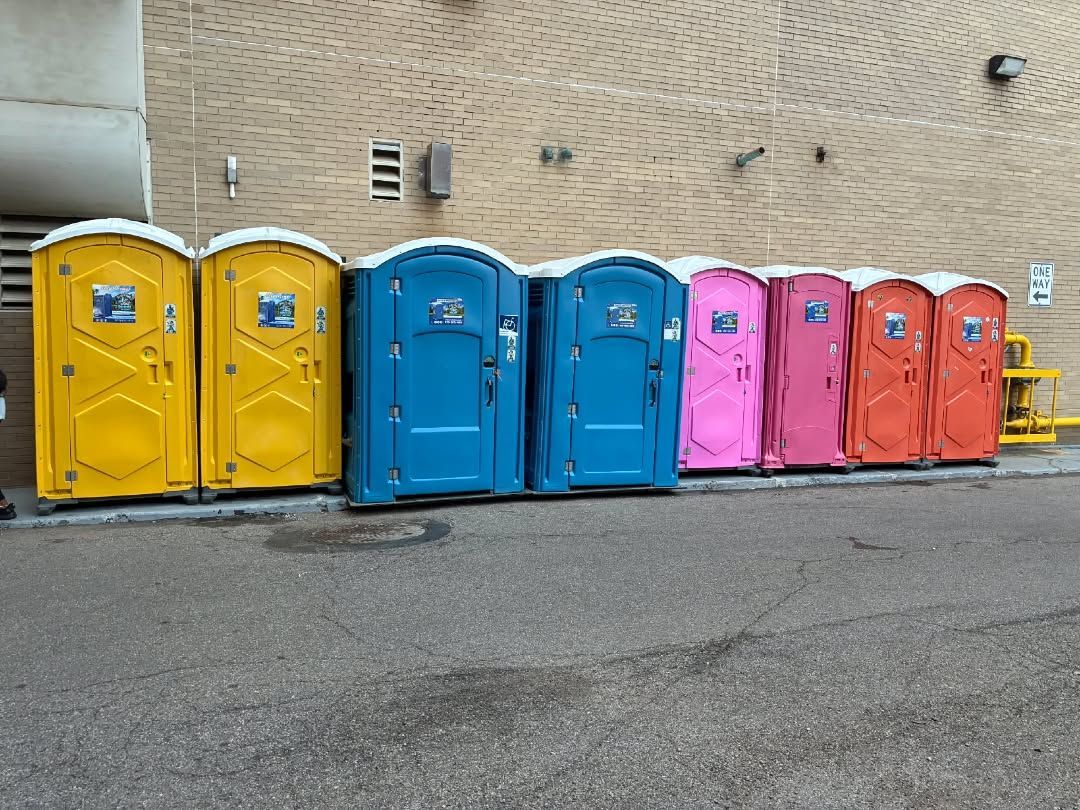

Where Can Portable Toilets Be Placed at an Event or Job Site?
Portable toilet placement looks simple until a delivery truck arrives and the “perfect spot” turns out to be muddy, blocked, uneven, or impossible to service. The location must work for guests or workers, but it also has to support delivery, cleaning, pickup, safety, and accessibility.
So, where can portable toilets be placed at an event or job site? In most cases, they belong on firm, level ground near the people using them, with a clear route for the service vehicle. They should not block emergency access, sit beside food service, or force users to cross active equipment lanes.
Good placement is not about hiding the toilets as far away as possible. It is about making them convenient without letting them interfere with the event or job.
Can you put a porta potty anywhere?
No. A portable toilet may be movable, but every open patch of ground is not suitable. Soft soil, steep slopes, low areas that collect water, and narrow spaces behind fences can create problems.
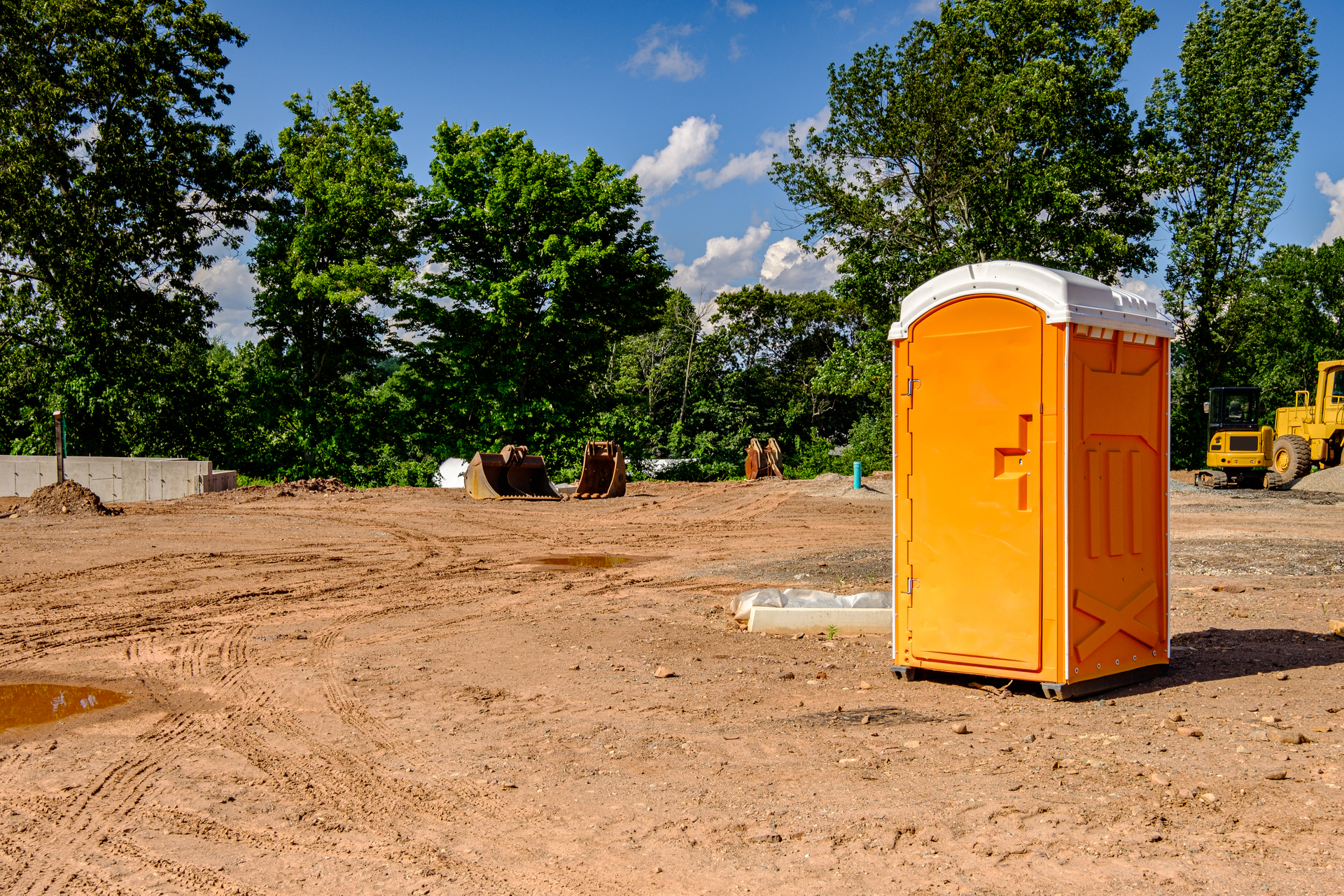
Pavement, compacted gravel, and firm, level ground usually work best because they reduce rocking, sinking, and tipping risks. Grass may be acceptable when it is dry and solid, but a spot that looks fine today can become a muddy mess after heavy rain.
Keep units clear of fire hydrants, emergency exits, loading zones, electrical equipment, open trenches, and vehicle turning paths. At an event, avoid placing them directly beside food preparation or dining areas. Close enough to find is good. Right next to the buffet is not.
Where Can Portable Toilets Be Placed at an Event or Job Site?
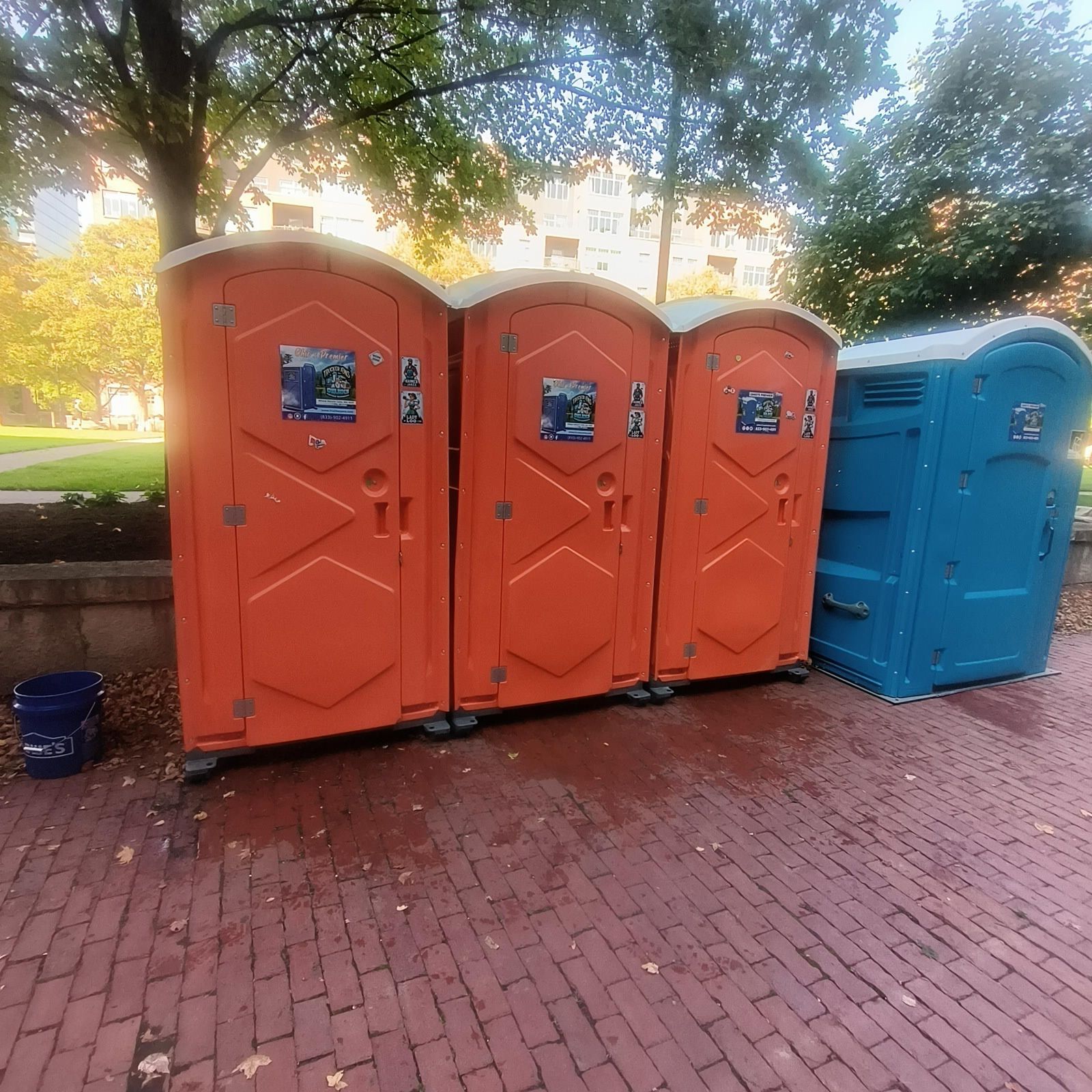
At an event, place portable toilets near natural traffic areas without dropping them into the center of the crowd. Entrances, parking areas, spectator zones, and the edges of activity areas are often practical choices. Large events usually work better with several smaller restroom groups instead of one distant bank of units.
Think about how people will move when the venue is busiest. A toilet area that seems spacious before guests arrive may become a bottleneck once a line forms. Leave room for waiting, handwashing stations, and people entering and leaving.
For weddings, company gatherings, and upscale celebrations, Premium Portable Restroom Rentals may be a better fit near guest areas. Planners can use fencing, landscaping, or tasteful screening to preserve the appearance without making the restrooms difficult to find.
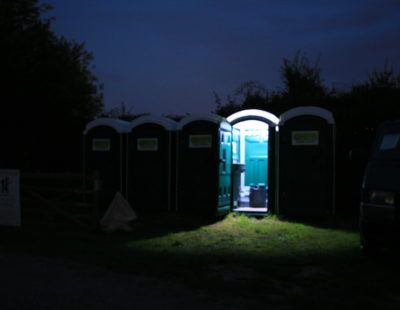
If the event continues after sunset, light the path and restroom area. Do not rely on a distant parking-lot light that leaves cords, curbs, or uneven ground hidden.
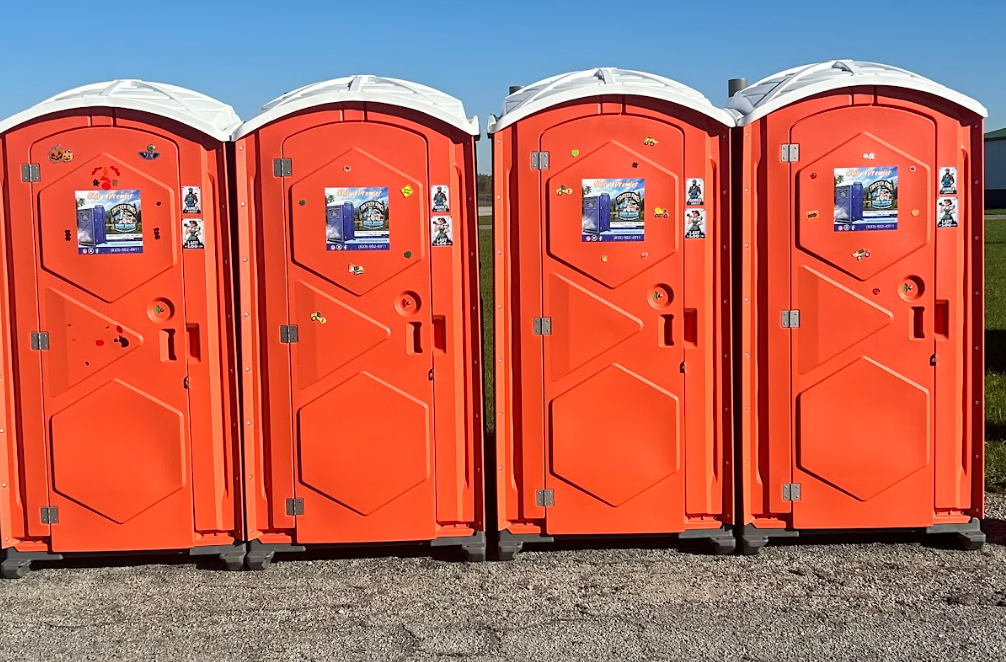
Where is the best location for portable toilets on your construction site?
On a construction site, the best location is close enough for workers to reach promptly but outside dangerous work zones. Avoid crane swing areas, excavation edges, material-drop zones, active roadways, and places where trucks regularly reverse.
I like to think about the entire rental period, not just delivery day. A unit placed beside an empty lot may become inaccessible once pallets, dumpsters, fencing, or equipment arrive. The superintendent should consider future phases before approving the location.
For longer projects, Portable Restroom Rentals for Construction Sites should be positioned where a service truck can return on schedule. The driver needs a clear approach and enough room to pump, clean, restock, and leave without entering a congested area.
On large sites, distribute units near separate work zones rather than making every employee walk to one corner. Convenience reduces lost time, but each location must remain sanitary, secure, and reachable.
What are the OSHA rules for portable toilets?
OSHA requires construction employers to provide a minimum number of toilets based on employee count. For 20 or fewer workers, at least one toilet must be provided. Larger crews require additional facilities under OSHA’s construction sanitation table.
The units must be available and maintained in a sanitary condition. A broken, overflowing, or severely dirty toilet does not serve its purpose simply because it is physically present. Employers should also address handwashing needs when workers handle chemicals, coatings, concrete, or similar materials.
Placement should support prompt access. Portable toilets should not be so far from the work area that employees need an unreasonable amount of time to reach them. Review the federal requirements through OSHA’s construction sanitation standard.
Federal rules may not be the only requirements. State plans, local health departments, project owners, and site-specific safety plans can add rules, so verify unusual or long-term placements before delivery.
Keep units accessible to guests and workers
Accessibility is more than ordering a larger unit. The route to an accessible portable toilet must also be usable. A wheelchair-friendly restroom placed across deep gravel, wet grass, a curb, or a narrow passage is not truly accessible.
Place accessible units on a firm surface with a clear, wide approach. Keep cords, hoses, signs, trash cans, and temporary fencing out of the path. At public events, the accessible restroom should be in the same general area as the other toilets.
Ground-level entry is ideal. When a ramp is needed, it must be stable and properly positioned. Inspect the route again after setup because equipment and construction materials often appear in spaces that were clear during planning.
Leave room for delivery and ongoing service
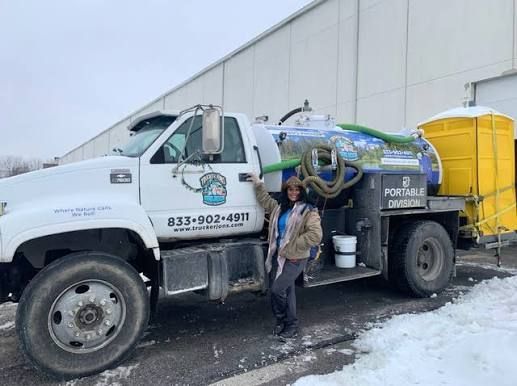
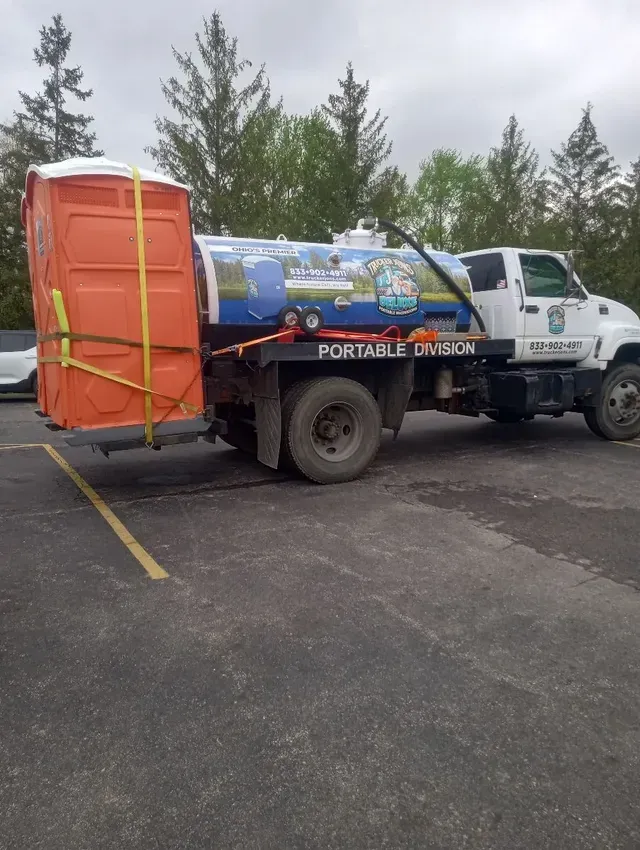
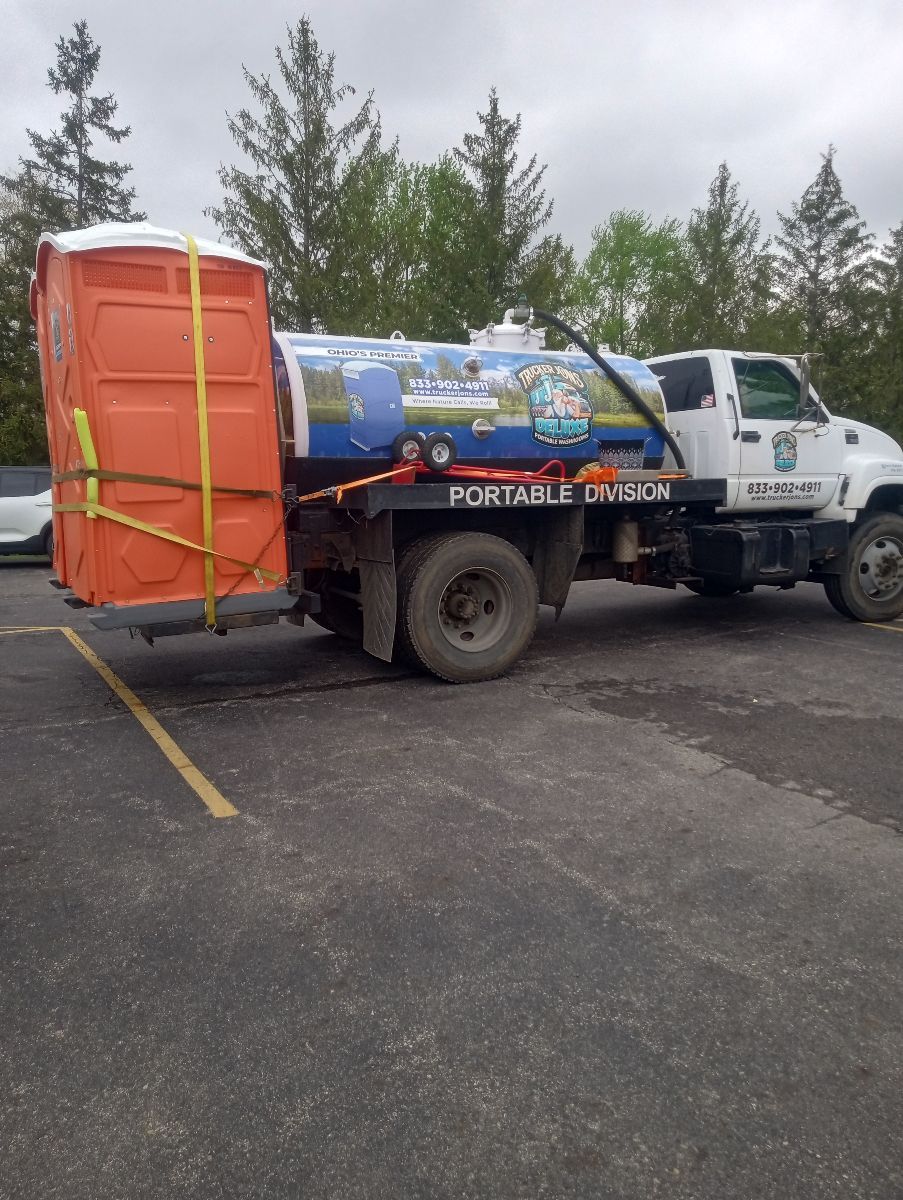
A common placement mistake is choosing a location the service truck cannot reach. Portable toilets need more than a person-sized walkway. The provider must be able to deliver the units and access the holding tanks later.
Locked gates, parked cars, low branches, overhead wires, barricades, and narrow turns can interrupt service. Confirm who will open gates and move obstacles. For recurring rentals, keep the route clear on every scheduled service day.
Pumping hoses also have practical limits, so ask how close the truck needs to get. A quick site discussion is easier than relocating a full unit later.
Service access can affect the porta potty rental cost per day. Difficult delivery conditions, special equipment, extra servicing, or repeated delays may change the total price. Clear access protects the schedule and budget.
Avoid drainage, weather, and security problems
Never place a portable toilet in a low spot where rainwater collects. Standing water creates muddy access and stability concerns. Stay away from drainage ditches, storm drains, shorelines, and places where a spill could quickly reach water.
Wind exposure matters too. An isolated unit on an open hill may be more vulnerable than one on level ground near a suitable windbreak. However, do not place it beneath damaged limbs or block its ventilation.
At public events or unattended job sites, choose a visible, well-lit location. Units hidden behind buildings may invite vandalism or misuse. Screening can provide privacy, but complete isolation often creates more problems.
In winter, consider snow removal. Do not put units where plows will bury the entrance or block the service route.
Do you need permission or a permit for placement?
Portable toilets on private property for a short event often do not require a special permit, but public property changes the answer. Sidewalks, streets, parks, rights-of-way, and long-term placements may require approval from a city, township, venue, or health department.
Property-owner permission is also essential. Confirm the approved area, delivery time, pickup window, and any surface-protection requirements before the truck arrives.
For common permitting situations, read Do I need a permit for a porta potty?. When there is doubt, ask first. Relocating a unit after an inspector or property manager objects can disrupt the entire setup.
Are portable toilets a good business?
Portable toilets can be a useful business because construction, outdoor events, public projects, and emergencies all require sanitation. However, the work involves much more than dropping off plastic units. Operators manage routing, waste disposal, cleaning, inventory, repairs, regulations, and customer communication.
Placement knowledge is part of the service. A dependable provider should flag unsafe ground, poor access, blocked emergency routes, and locations that will be difficult to maintain.
From the renter’s side, share accurate details early. Explain the crowd or crew size, duration, surface conditions, gate widths, layout, and service schedule. Photos help, but complex properties may benefit from an on-site review.
Should portable toilets be placed together or spread out?
The right setup depends on the size and layout of the property. A small wedding or residential project may only need one centralized restroom area. A festival, tournament, or large construction project usually benefits from several groups of units.
Spreading the units prevents one location from becoming overloaded while another goes unused. It can also shorten walking distances and reduce long lines during breaks, intermissions, or shift changes.
Do not spread them so far apart that servicing becomes difficult. Every group still needs safe access, level ground, lighting, and a practical route for the sanitation truck.
Final placement checklist
Before approving the location, ask five questions. Is the ground flat and firm? Can users reach it safely? Can the service truck access it? Is it clear of food areas, traffic hazards, drainage, and emergency routes? Will the spot still work when the site becomes busy?
The strongest plan serves users, site managers, and the sanitation crew. When all three can safely reach the units, portable restrooms become a quiet part of the operation instead of a last-minute problem.
Where can portable toilets be placed at an event or job site? Put them where they are stable, visible, accessible, convenient, and serviceable. A few minutes of planning can prevent muddy paths, blocked trucks, long lines, safety issues, and expensive relocations.