Renting for an Event? Handwashing Station Costs Explained
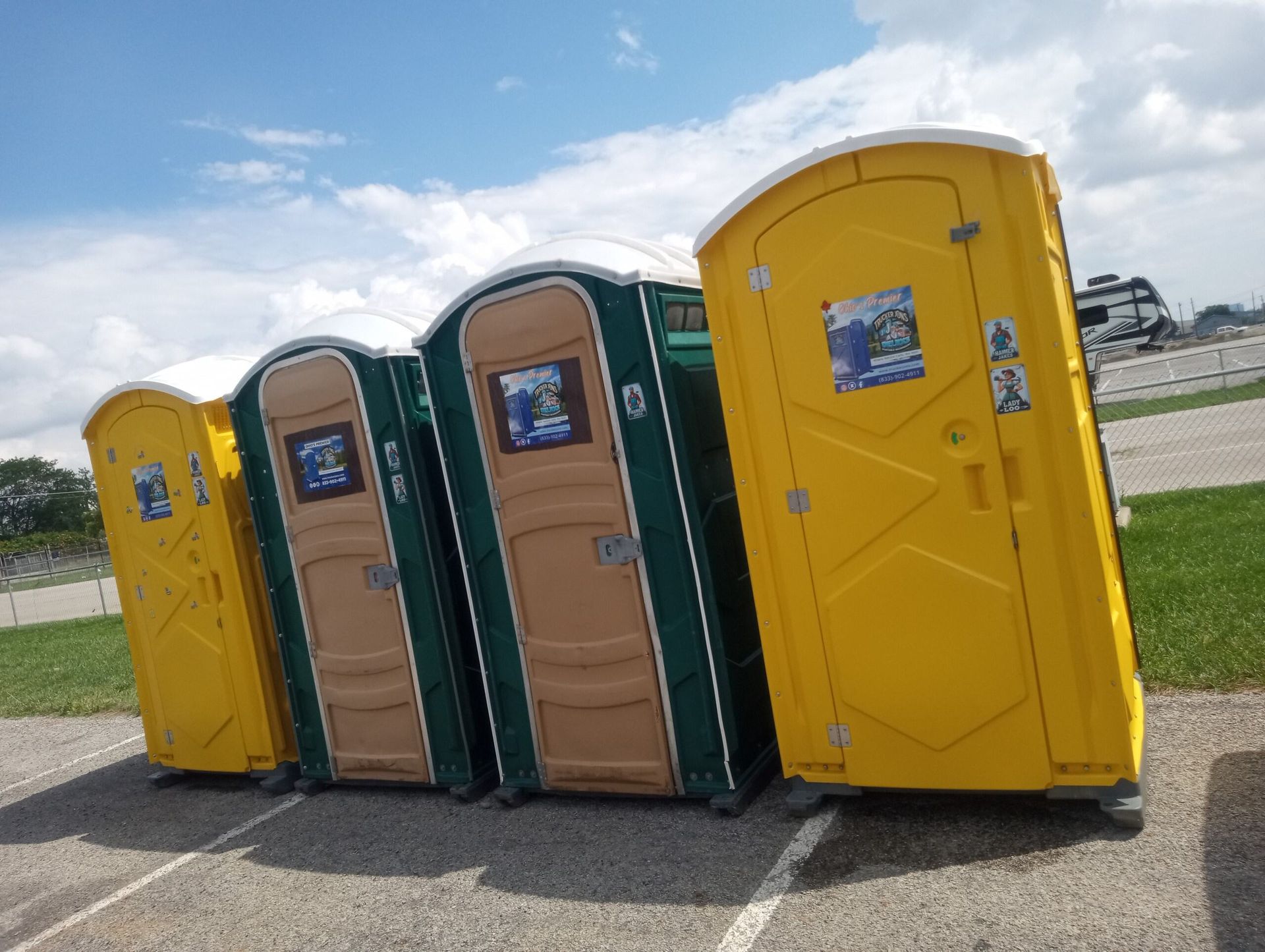
Planning an outdoor wedding, street fair or job site means more than sorting logistics—you need a way for people to wash their hands. Hand hygiene prevents countless infections, yet one in five people skip it. Portable sinks show you care about guests’ well‑being and keep you on the right side of health codes. This guide explains what they are, what they cost and how to get the most from your rental.
Renting for an Event? Handwashing Station Costs Explained: Why Hygiene Matters
Handwashing is one of the simplest ways to stop germs from spreading. Germs move easily from hands to surfaces and food, so events without sinks can quickly become sources of illness. During the pandemic, portable sinks became an expected part of festivals and job sites, and OSHA now requires at least one station per twenty workers. Providing sinks isn’t just about avoiding fines—it improves the experience for guests and workers and projects professionalism.

What is a hand washing station?
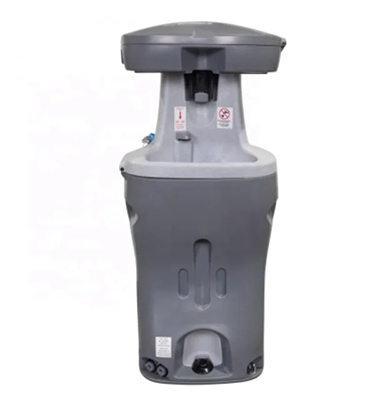
A hand washing station is a self‑contained sink that brings water and soap wherever you need them. It has a fresh water tank, a hands‑free faucet, a soap dispenser, paper towels and a greywater tank. Units are made from tough high‑density polyethylene (HDPE) so they survive transport and weather. Freestanding models have one to four basins; in‑unit sinks fit inside portable restrooms. Heated water versions meet food‑service rules, while hand‑sanitizer stands supplement but do not replace washing.
How much does it cost to rent a handwashing station?
Costs depend on size, features and how long you rent. Single‑basin units typically run $75–$125 per day, while double‑basin models cost $125–$200 per day. Weekly rentals average $250–$500, and monthly leases fall between $600–$1,200 per unit. On construction sites, long‑term rentals may be $75–$150 per month. These numbers may not include delivery, setup and servicing.
- Single-basin station
- Daily: $75–$125
- Weekly: $250–$500
- Monthly: $600–$1,200
- Double-basin station
- Daily: $125–$200
- Weekly: $250–$500
- Monthly: $600–$1,200+
- Long-term construction sink
- Monthly: $75–$150
- Hand sanitizer stand
- Daily: $50–$100
- Weekly: $200–$300
- Monthly: $400–$800
Renting for an Event? Handwashing Station Costs Explained: Key Pricing Factors
Several variables influence pricing beyond the base rate. Basic models with a manual foot pump are affordable, while units with heated water, touchless faucets or ADA‑compliant design cost more. More sinks raise the total bill but prevent long lines. Weekly and monthly agreements lower the per‑day cost, but remote sites or high demand can drive up delivery fees. Servicing—refilling water, soap and towels and pumping out greywater—is an added expense. Bundling your Handwashing Station Rentals with portable toilets can reduce the porta potty rental cost per day and streamline service.
What should a handwashing station include?
A proper station provides potable water, a hands‑free faucet, soap, single‑use towels and a tank to collect used water. Foot pumps or sensors keep clean hands from touching contaminated surfaces, and the greywater tank must be large enough to avoid overflow. Stations built from durable HDPE resist impacts and weather. Deluxe models offer heated water, touchless dispensers, locking compartments or ADA‑accessible design.
What are the five requirements at a handwashing station?
Health rules for portable sinks are straightforward. The unit must supply potable water, dispense liquid soap and offer single‑use drying towels or an air dryer. The faucet should be hands‑free, and used water must drain into a greywater tank for proper disposal. In many regions, signage and ADA‑compliant designs are also required.
Determining the Right Quantity for Your Event or Job Site
The right number of sinks prevents lines without overspending. A common rule is one station per hundred guests at events with food service and one per twenty workers on construction sites. Place units near food courts, restrooms and entrances to encourage use. Consider event length, menu and weather when deciding if you need extra stations.
Renting for an Event? Handwashing Station Costs Explained: Savings, Bundles and Strategies
You can keep costs low without sacrificing cleanliness. Reserve your units early—peak season runs spring through fall—and advance booking locks in better rates. Many providers discount long‑term or seasonal rentals and offer package deals that bundle sinks with toilets, lowering the porta potty rental cost per day. Work with your supplier to order the right number of units and avoid waste.
Best Practices for Booking and Compliance
Placement affects how often people use the sinks. Put stations near food prep, restrooms and entrances; choose in‑unit sinks when space is tight and multi‑sink pods for large crowds. Check local regulations—many areas require soap, water, towels, signage and ADA‑accessible units. Regular refilling and sanitation keep the units functional.
Conclusion: Clean Hands, Confident Guests
Renting handwashing stations is an investment in health, comfort and professionalism. Knowing the costs and key factors allows you to plan a hygienic event without overspending. Bundling
Handwashing Station Rentals with
Portable Restroom Rentals for Construction Sites can maximize value, and the article
Do You Need Handwashing Station Rentals with Your Porta Potty? Here’s What It Costs dives deeper into the topic. To perfect your technique, check
CDC’s handwashing guidelines. When you prioritize hygiene, you protect your guests and your reputation.