
What Are OSHA Requirements for Portable Toilets on Job Sites?
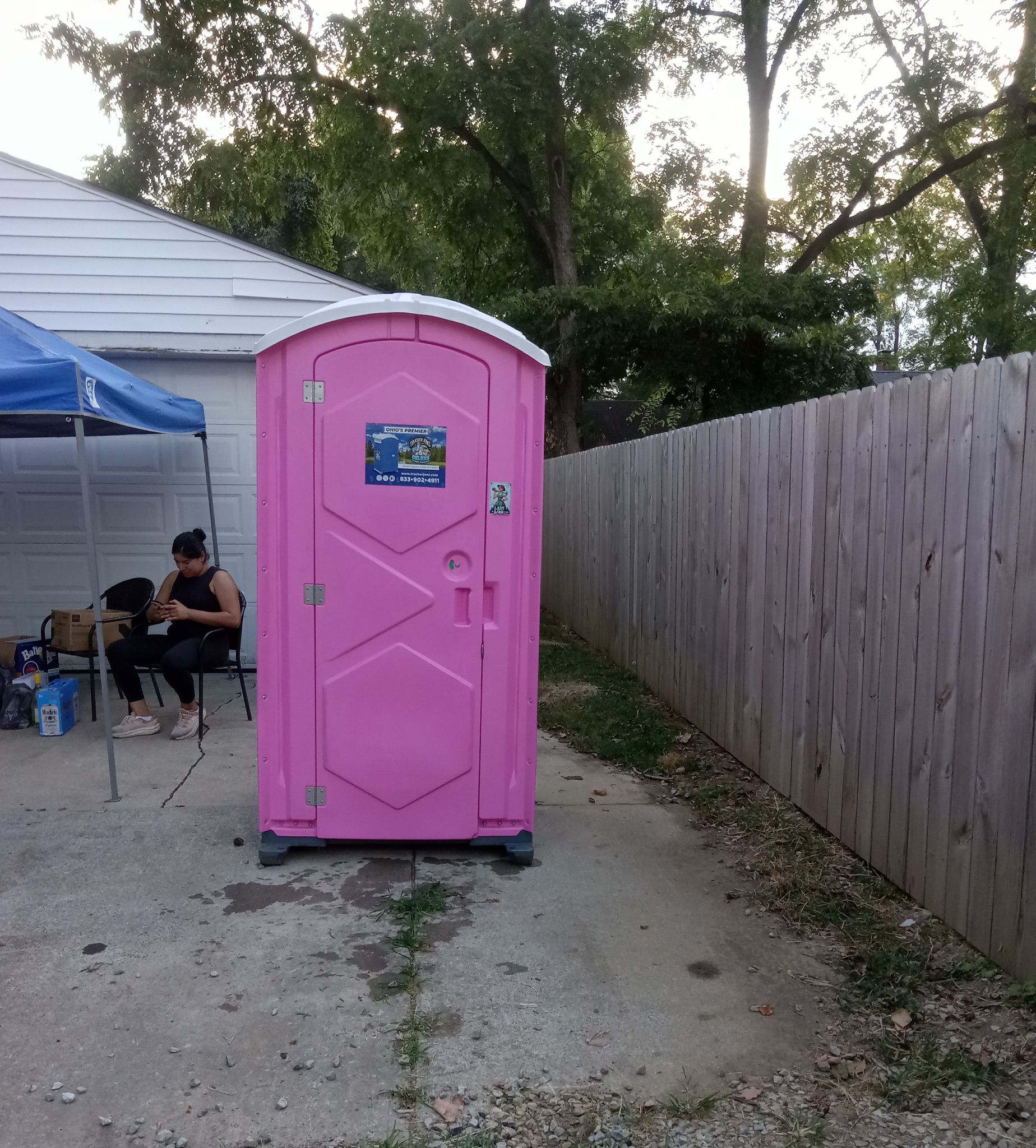
A respectful workplace starts with something as simple as a clean bathroom. Construction crews often work long hours in remote or temporary environments, so access to adequate toilets is essential for health, productivity and regulatory compliance. OSHA’s sanitation rules exist to prevent the health risks associated with infrequent restroom breaks and unsanitary conditions, but the language can be confusing at first glance. This article untangles the rules and offers guidance.
Why Sanitary Restrooms Matter on Construction Sites
It’s easy to focus on cranes and concrete and forget that people need clean restrooms. When workers must hunt for a toilet or avoid using a dirty one, productivity drops and morale suffers. Poor sanitation can also contribute to urinary tract infections and other health problems. Making toilets part of your safety plan keeps crews healthy and projects on schedule.
What is the OSHA rule for portable toilets?
The core portable toilet rule appears in OSHA’s construction sanitation standard (29 CFR 1926.51). Sites with 20 or fewer employees need at least one toilet. For crews above 20 but below 200 workers, you must provide one toilet seat and one urinal per 40 workers, and for 200 or more workers the requirement shifts to one toilet seat and one urinal per 50 workers. Because the regulation doesn’t distinguish by gender, managers should offer lockable or separate units to respect privacy.
Clarifying the official ratio
The ratio refers to the entire site, not the number of stalls within a single trailer. A basic portable restroom counts as one toilet seat; if a unit has two seats, each counts separately toward your quota. Urinals are counted separately: one per 40 workers on medium‑sized sites and one per 50 on large projects. Basing your order on the maximum headcount ensures you’re covered when crews swell.
Unsanitary units don’t count
Ordering the right number of units doesn’t matter if the toilets are unusable. OSHA expects toilets to be clean, stocked and easy to reach. A locked or overflowing unit won’t count toward your quota, and workers forced to hold it could suffer health problems. Partnering with a reliable Portable Restroom Rentals vendor helps you stay compliant and keep crews comfortable.
Understanding Toilet Ratios and Unit Needs
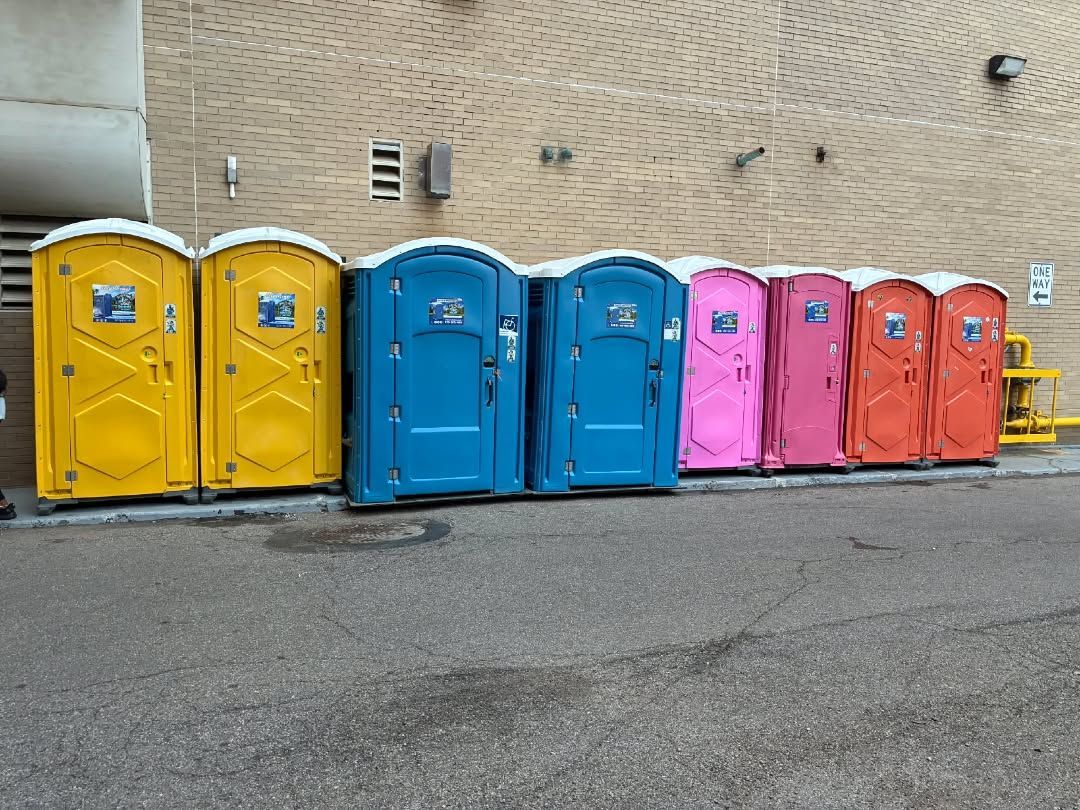
Many managers exceed the minimum ratios because extra units reduce lines and keep facilities cleaner. For example, a crew of 45 people would need at least two toilets and two urinals, while a 150‑person site would need four of each. Some providers and ANSI guidelines recommend one portable toilet for every ten workers on long or high‑traffic projects. If you’re unsure, consult Portable Restroom Rentals for Construction Sites or similar resources for personalized advice.
- 1–20 workers:Minimum: 1 toilet
- Note: Order at least one unit
- 21–200 workers:Minimum: 1 toilet and 1 urinal per 40 workers
- Note: Add one of each for every additional 40 people
- 200+ workers:Minimum: 1 toilet and 1 urinal per 50 workers
- Note: Consider high-capacity or additional units
Accessibility and Location Guidelines
OSHA describes toilets as “readily accessible,” meaning within a five‑minute walk or about a quarter mile. Industry best practices now aim for closer placement—around a two‑minute walk or 200 yards—to minimize time away from work. Mobile crews may use off‑site restrooms if employees have transportation and can reach them in under ten minutes.
Sanitation and Maintenance Best Practices
Cleanliness is critical: unsanitary units effectively violate OSHA requirements even if you have enough of them. As a general rule, portable toilets should be serviced weekly for small crews and every two to three days on larger sites. Regular pumping, restocking and disinfecting keep units usable and encourage workers to take proper breaks. Investing in Premium Portable Restroom Rentals with larger tanks or built‑in sinks can lower service frequency and improve hygiene.
Handwashing, ADA Compliance, and Gender Considerations
Handwashing stations aren’t always mandatory under OSHA, but ANSI recommends one hand wash facility for every 20 workers, with soap or sanitizer containing at least 60 % alcohol. Providing at least one ADA‑compliant unit ensures disabled workers or visitors have access. If separate men’s and women’s facilities aren’t possible, single units should have locks for privacy. Supplying sanitizer and paper towels signals you take worker health seriously.
Can you use a porta potty at a construction site?
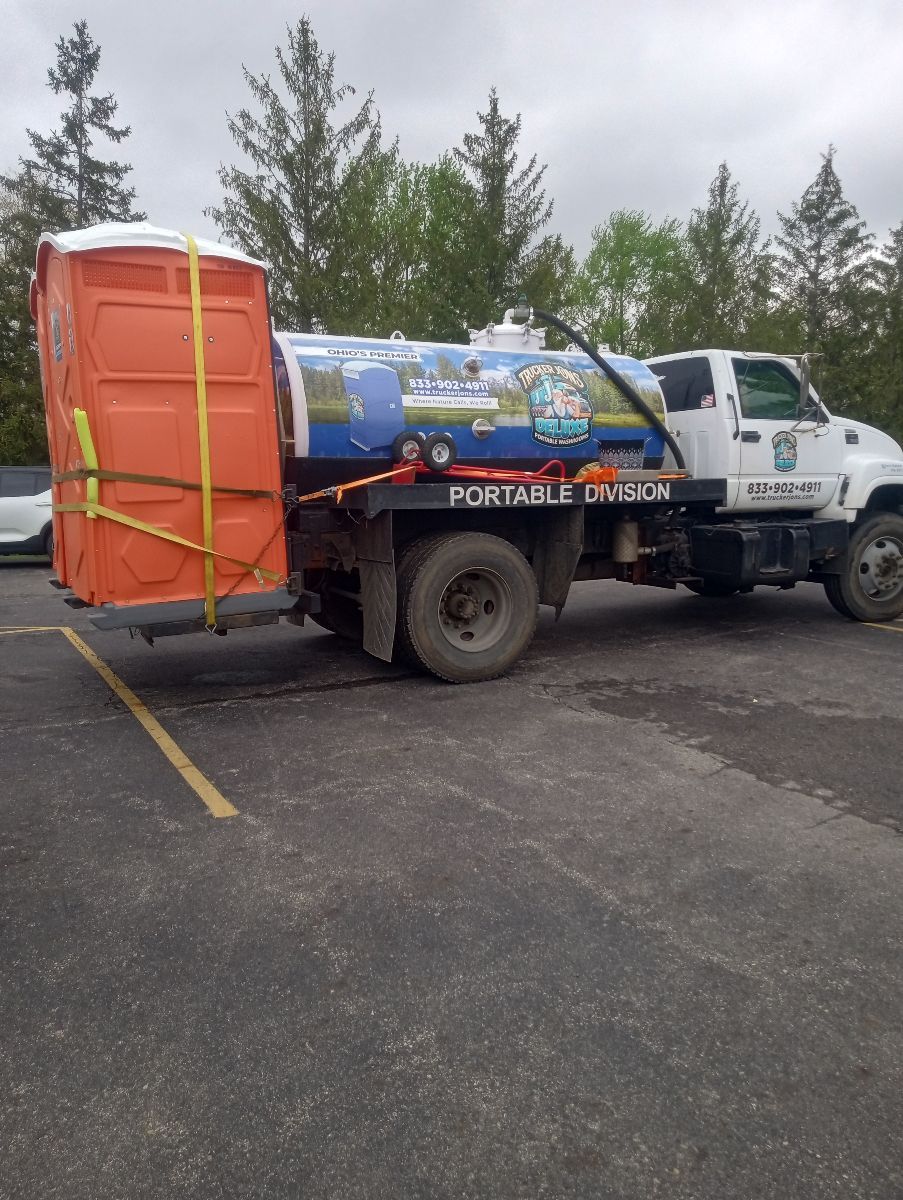
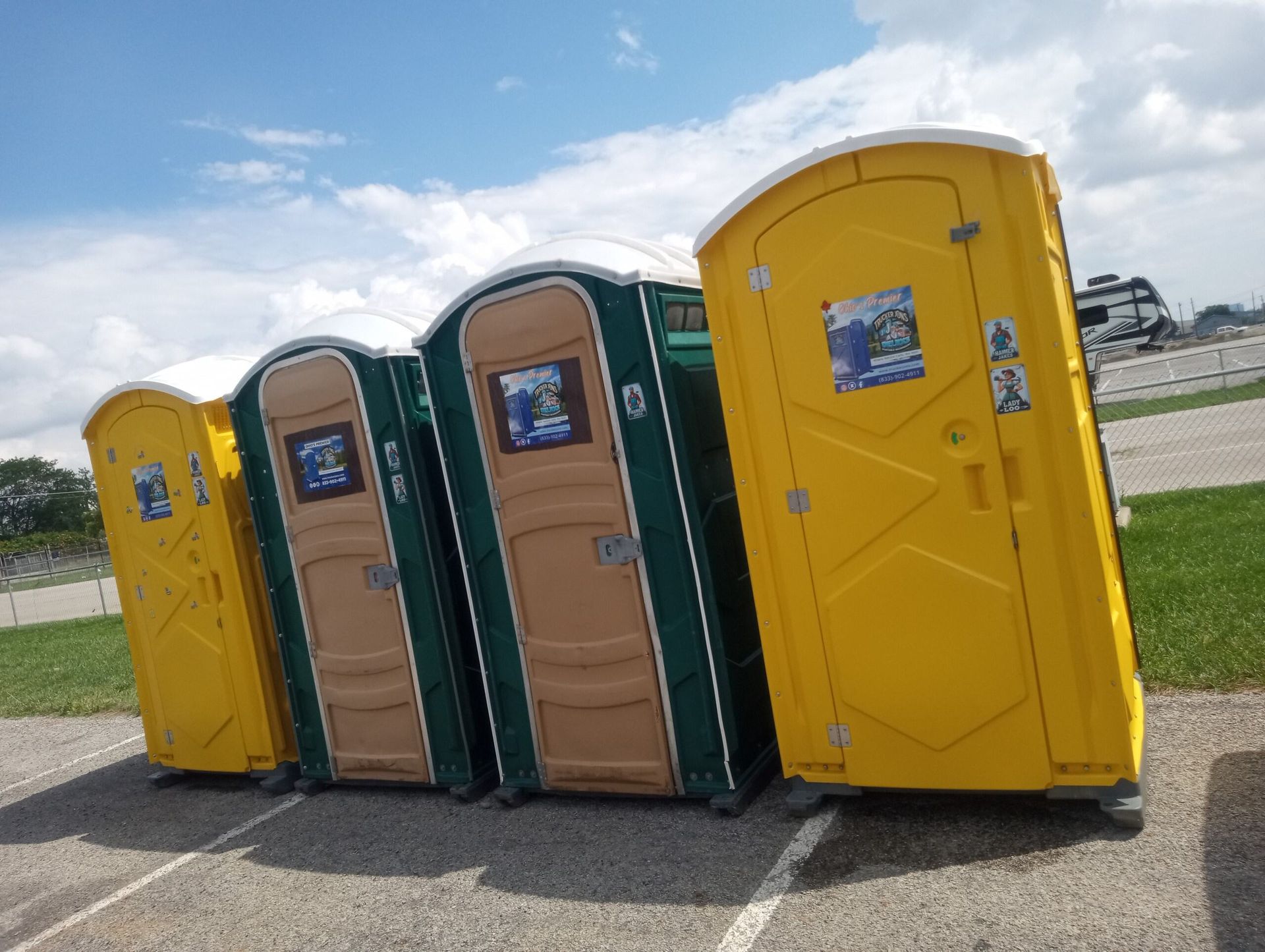
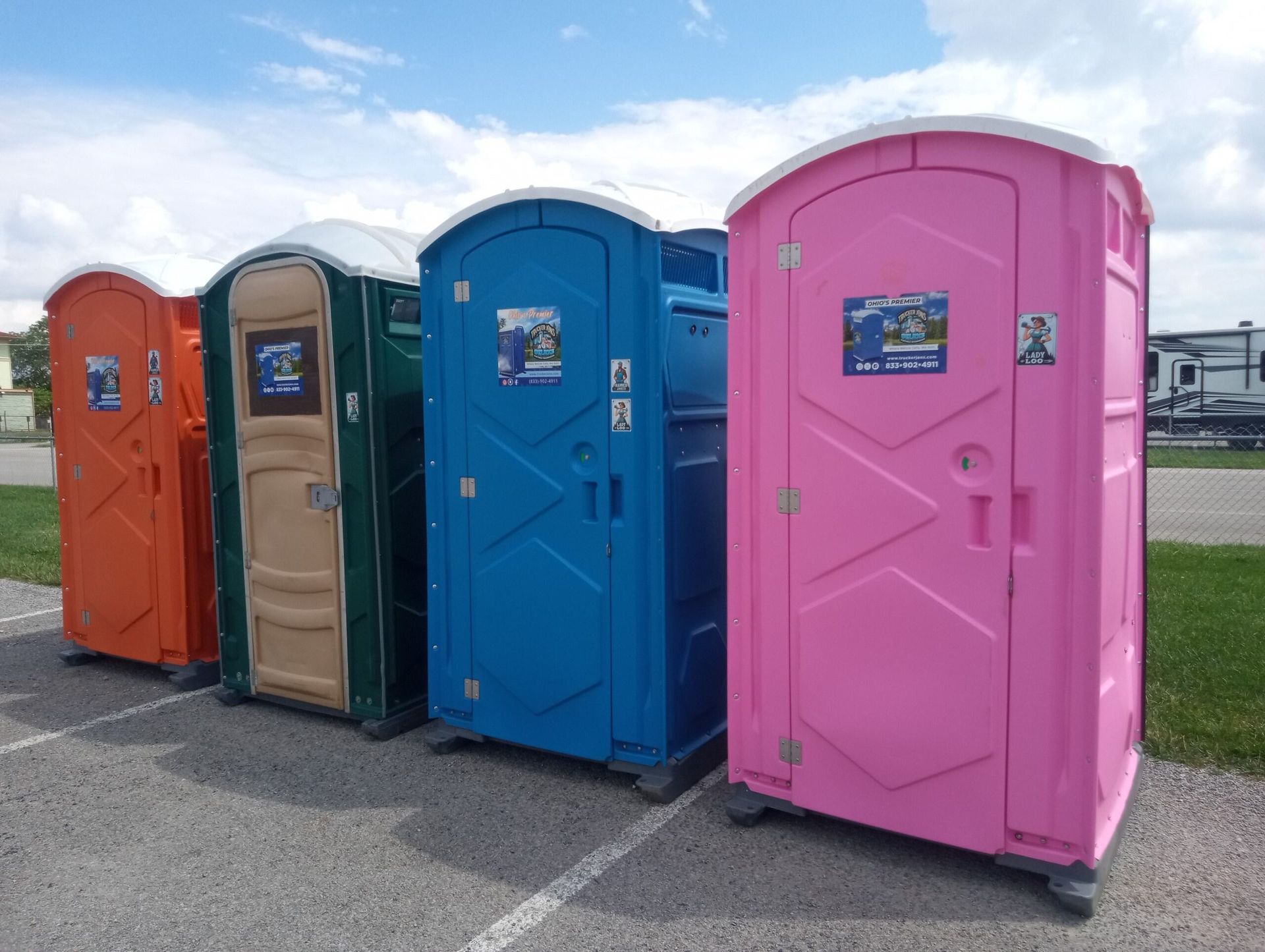
Yes—portable toilets are the standard solution unless you have sewered bathrooms on site. Choose from stand‑alone units, crane‑liftable high‑rise models or trailer‑mounted restrooms for mobile crews. Look for features like sturdy construction, adequate tank capacity and ventilation so you’re not constantly calling for service. For a deeper look at legal obligations, see Do I legally have to provide a porta potty at a job site.
What’s the 80% rule according to OSHA?
The so‑called 80 % rule has nothing to do with portable toilets; it’s a forklift safety guideline. OSHA advises operators to carry no more than 80 % of a forklift’s rated load capacity to prevent tip‑overs and mechanical stress. The lesson translates well to sanitation: avoid running your units at 100 % capacity. Ordering a few extra toilets ensures you’re operating at about 80 % of total capacity, which keeps units cleaner and reduces wait times.
What is OSHA’s 3 most cited violation?
Portable toilet infractions don’t top OSHA’s citation list. The agency’s most common violations involve fall protection, hazard communication and respiratory protection. Knowing where inspectors focus their attention can help you build a comprehensive safety program that covers more than sanitation. When you treat toilets, training and equipment with equal care, you create a workplace culture that prioritizes well‑being.
Conclusion: Creating a Culture of Hygiene and Safety
Meeting OSHA’s portable toilet requirements is about more than avoiding penalties—it’s about respect. By following the official ratios, placing units near work areas, scheduling regular servicing and providing handwashing and ADA options, you show your crew that their needs matter. Extra units and higher‑quality rentals pay dividends through higher productivity. Partnering with
Portable Restroom Rentals for Construction Sites ensures you have the right equipment, allowing you to concentrate on the project itself.