Can You Rent a Porta Potty for Multiple Months?
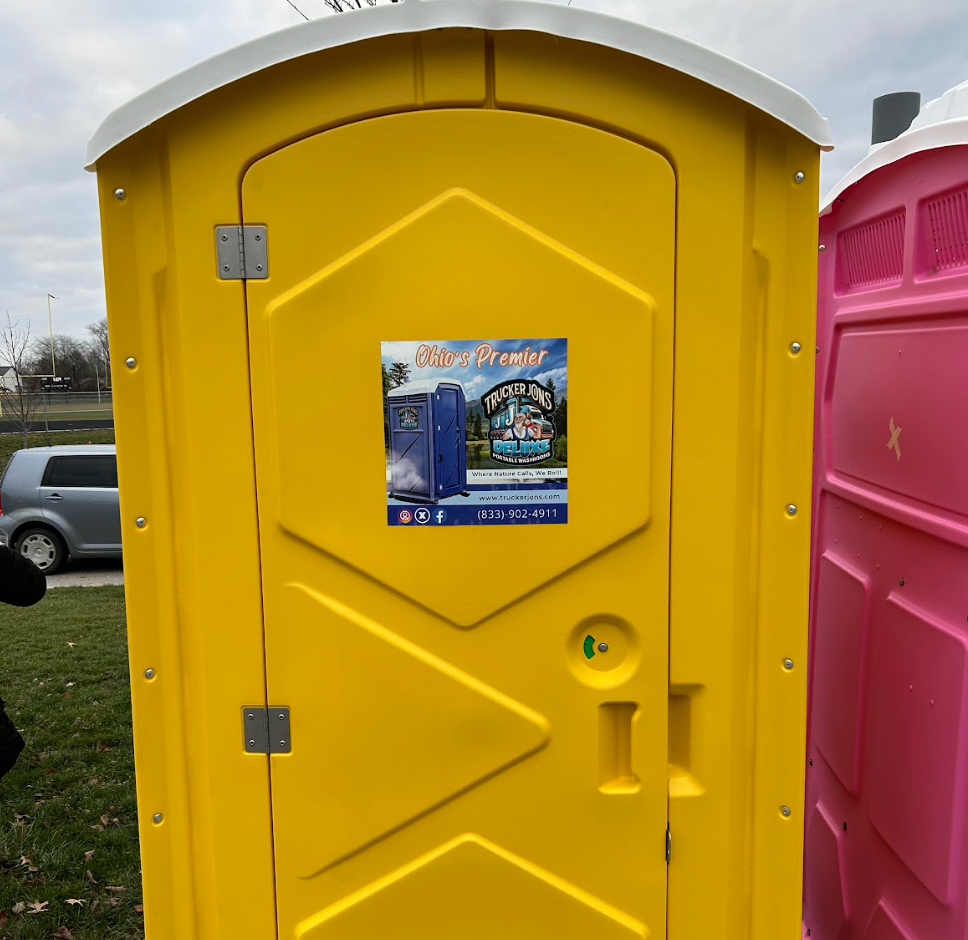
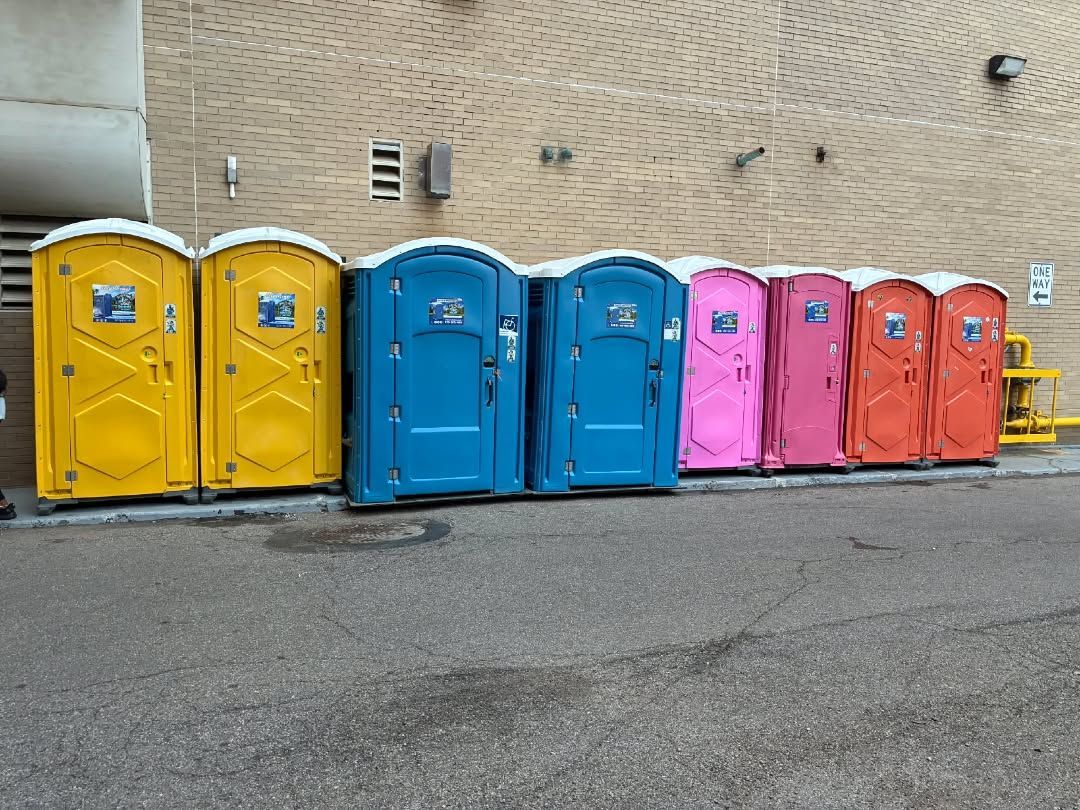
Portable toilets might not be the most glamorous subject, but they are essential for everything from backyard weddings and fairs to multi‑month construction projects. I remember planning a community art festival last summer and only thinking about restrooms at the last minute. After scrambling to find units, I quickly learned that choosing the right rental period is just as important as ordering enough units. Many businesses and event organizers wonder whether they can keep a rental on site for months instead of weeks. This guide explores long‑term porta potty rentals, explains what they cost, and shares professional insights and real stories to help you make informed decisions.
Understanding Long‑Term Porta Potty Rentals
Before diving into numbers, let’s clear up what “long‑term” really means. Portable restroom companies typically bill on a weekly or monthly cycle. A long‑term rental usually lasts one month or more, and many providers define anything beyond 30 days as long‑term. In my experience coordinating a multi‑month renovation project, the first hurdle was understanding the minimum rental period. Standard daily and weekly rentals cover short events like weddings and weekend festivals, while construction projects and park facilities often require units for months or even years. Long‑term rentals usually come with weekly service included. This regular attention keeps the unit sanitary and stocked, which is crucial when you’re counting on it for weeks on end.
How Much Is It to Rent a Porta Potty for One Month?
The cost of renting a porta potty for a month depends on the type of unit, location, and service frequency. Standard construction units tend to be the most economical option. According to recent industry pricing, a basic porta potty typically costs between $75 and $150 per month. ADA‑compliant units, which are larger and wheelchair‑accessible, range from $100 to $200 per month. Flushable or deluxe units with handwashing stations and freshwater tanks cost between $150 and $300 per month. In urban centers like New York or Los Angeles, expect higher rates—around $125 to $275 per month. During my art festival, we chose two standard units for four months, and because we committed to a longer rental, the company knocked 10 percent off the monthly rate.
For a single month, you’ll usually pay a one‑time delivery and pickup fee as well. Local deliveries within 15 miles may add $50 to $75 each way, while rural locations could be $125 or more. Many providers waive delivery fees for orders of three or more units, so bundling units can reduce costs. If you need twice‑weekly service because of heavy use, expect to add $50 to $125 per unit for each extra service call. In my experience, investing in additional service during hot summer months kept odors under control and prevented complaints.
How Long Can You Have a Porta Potty?
You can keep a porta potty as long as you need it. Rental companies categorize durations into three tiers: short term (1–7 days), medium term (1–4 weeks), and long term (one month or more). For events like backyard parties or weekend festivals, one‑day rentals are common, but the unit might remain on‑site for a weekend due to delivery schedules. Construction sites and public parks usually rent by the week, with a minimum one‑week charge even if you need it for only a few days. Long‑term rentals, common for large construction projects and park facilities, include weekly servicing as part of the package.
Even though there’s no strict upper limit to how long you can keep a portable restroom, service frequency becomes more important the longer it stays. Weekly pumping and cleaning are typically sufficient for 1–2 workers per unit. Sites with high traffic—15 or more users per unit—often require twice‑weekly service. Extreme heat or special health regulations may necessitate daily cleaning. When I worked with a parks department on a six‑month playground renovation, the rental company advised scheduling additional services during peak summer heat. We found that proactive maintenance prevented overflow and kept neighbors happy.
Minimum Rental Periods and Flexibility
While daily rentals exist for events, many providers apply a weekly minimum for construction sites or non‑event applications. You pay for the full week regardless of whether you need the unit for two or five days. I’ve learned that keeping the unit for the entire week is often more convenient because projects rarely finish ahead of schedule. Extending a rental is usually as simple as calling your provider, but early returns may not reduce your cost.
What Drives Porta Potty Rental Pricing?
Several factors influence porta potty rental prices. Understanding them helps you budget and negotiate effectively.
- Unit Type – Standard non‑flushing models are the most affordable. ADA‑compliant units cost 25‑40 percent more due to their larger footprint and accessibility features. Flushable units, which offer a more pleasant experience and require less frequent service, are ideal for long‑term use.
- Location and Delivery Distance – Urban markets often have lower base rates thanks to competition, but remote or rural sites may pay a premium for delivery. Delivery fees vary from $50 to $150 each way depending on distance.
- Service Frequency – Weekly service is standard for long‑term rentals. Extra visits add $50 to $125 per unit, but they are necessary if usage is high or weather conditions are extreme. During the arts festival, we upgraded to twice‑weekly service after the first week when attendance exceeded expectations.
- Season and Demand – Rates rise during peak season (May to October) when weddings and festivals drive demand. Booking four to eight weeks ahead can save you 10–20 percent. Off‑season rentals (November to March) may be discounted by 10–20 percent.
- Number of Units – Larger orders often qualify for volume discounts. Renting three or more units may waive delivery fees and reduce per‑unit rates. For our multi‑month construction site, ordering three units instead of two lowered our cost per unit and gave us a spare in case of heavy use.
These factors highlight why quotes can vary widely. Always request detailed pricing—including delivery, pickup, and service—in writing to avoid hidden fees.
Choosing the Right Portable Restroom for Extended Projects
Selecting the appropriate type of portable restroom influences comfort and cost. Here’s a breakdown of common options:
Standard Porta Potties
Standard units are the workhorses of the portable restroom world. Each includes a toilet, urinal, ventilation, and basic supplies, all housed in a self‑contained chemical holding tank. They are perfect for construction sites, casual outdoor work areas, and budget‑conscious projects. For long‑term rentals, standard units remain the most cost‑effective choice, and renting multiple units can reduce daily rates.
ADA‑Compliant Units
These units have larger dimensions (about 8×8 feet versus the standard 4×4) and include handrails, ramps, and lower fixtures. ADA‑compliant models are mandated by law at public events and workplaces with 10 or more employees, typically making up at least 5 percent of the total units. They cost more, but their accessibility features ensure inclusivity and regulatory compliance.
Flushable and Deluxe Units
Flushable models feature freshwater and waste tanks, providing a more comfortable, odor‑controlled experience. These units require less frequent servicing and are recommended for office construction sites, upscale events, or any project lasting three months or longer. Deluxe units may also include handwashing stations, mirrors, and interior lighting, making them suitable when image matters.
Luxury Restroom Trailers
If you’re hosting a corporate gala or an upscale outdoor wedding, consider renting a luxury restroom trailer. These trailers provide multiple stalls, climate control, running water, and elegant finishes. They can accommodate 100–150 guests and elevate the overall experience. When I attended a friend’s outdoor wedding, the trailer’s flush toilets, mirrors, and air conditioning made it feel like an indoor restroom.
Alternatives to Porta Potties: What Can I Use Instead?
Sometimes a standard porta potty isn’t the right solution. Eco‑friendly and premium alternatives exist for those seeking sustainable or upscale options. Eco‑portable restrooms use less water and fewer chemicals, and some models run on solar power. For indoor temporary needs—such as garage renovations—portable camping toilet tents provide a short‑term solution for up to seven days. DIY bucket toilets and composting toilets are practical for off‑grid settings, though they require more maintenance.
For high‑end events, luxury restroom trailers offer flushing toilets, running water, and climate control. These units significantly improve guest comfort and aesthetics, albeit at a higher cost. For industrial projects or public spaces where vandalism or harsh weather is a concern, shipping‑container bathrooms provide durable, climate‑controlled facilities. A 40‑foot container can house five toilets and four urinals, serving up to 160 people. Though setup can cost from $1,000 to $10,000, the long‑term benefits—such as improved worker morale and reduced turnover—often justify the investment.
Tips for Maintaining and Servicing Long‑Term Rentals
Keeping a porta potty clean over multiple months requires planning. Regular servicing is vital for sanitation, odor control, and user satisfaction. Weekly service visits typically include pumping waste, refilling deodorizing liquid and freshwater, deep cleaning the interior surfaces, and restocking supplies. The service schedule can be adjusted based on usage. Units serving high‑traffic sites may need cleaning two or three times per week. When we were renovating a school playground, we increased service frequency during the end‑of‑school picnic. The extra cleaning prevented unpleasant odors and ensured the facilities stayed usable.
In addition to scheduling professional service, assign someone on site to monitor the units between visits. A quick daily check for toilet paper, hand sanitizer, or potential damage can prevent minor issues from becoming major problems. Encourage users to close the door fully after use and to report any issues promptly. If weather conditions are extreme, consider placing units in shaded areas or using protective covers to reduce heat and prolong deodorizer effectiveness.
Understanding Contracts, Regulations and Booking Windows
Long‑term rentals involve contracts that outline service frequency, minimum rental periods, delivery and pickup fees, and damage policies. Read the contract carefully, paying special attention to hidden costs like fuel surcharges, environmental fees, after‑hours delivery, or setup charges. Ask whether your quote includes current fuel costs and whether any additional permit fees apply for public property placement. Remember that cancellation fees may apply if you end the rental early.
Local regulations also play a role. OSHA standards require at least one toilet per 20 workers on sites with 20 or fewer employees, and one additional toilet per 40 workers for larger sites. At least 5 percent of units must be ADA‑compliant. For public events, planners should provide one unit per 50 guests for the first four hours and add one unit per 100 guests for each additional hour. Serving alcohol increases restroom demand by 15–20 percent. When budgets are tight, you might be tempted to skimp on the number of units, but adequate facilities prevent lines and ensure compliance.
Booking windows vary by season and unit type. During peak season, reserve your porta potties four to eight weeks in advance to secure your desired units. For luxury trailers or large orders, book at least two to three months ahead. Off‑season rentals can often be arranged with one to two weeks’ notice. Early booking also allows time for site assessments, ensuring optimal placement and avoiding last‑minute rush fees.
Exploring Other Portable Rental Sanitation Services
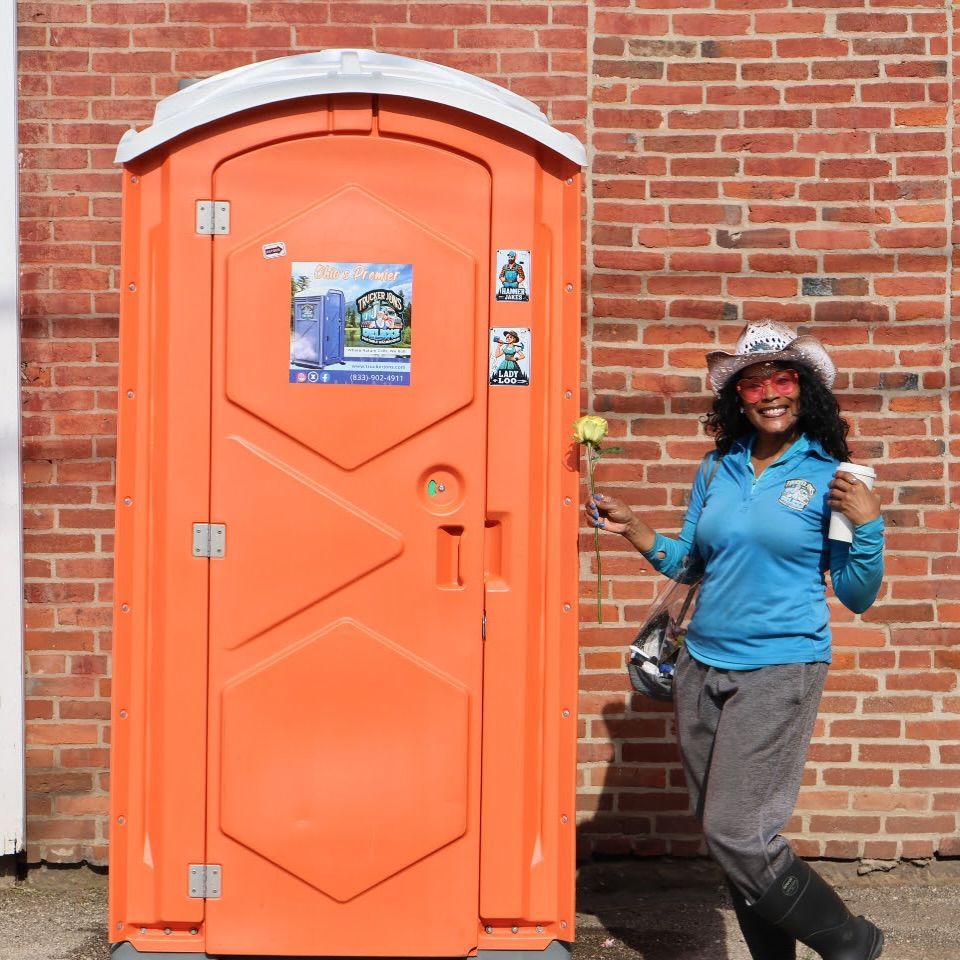
Long‑term restroom rentals often go hand in hand with other site services. For example, my construction project also required dumpsters, temporary fencing, and storage units. Working with a single vendor simplified billing and scheduling. If you need additional sanitation support, many providers offer handwashing stations, hand sanitizer dispensers, and holding tanks. For those seeking Premium Portable Restroom Rentals, porta potty rental cost per day, or Other Portable Rental Sanitation Services, consider working with a full‑service provider like Trucker Jons that can supply everything you need in one package.
Another useful resource is the guide on How Much Does Long‑Term Porta Potty Rental Cost for Construction Sites. It offers a deep dive into the costs and considerations specific to construction sites, helping you budget accurately.
Final Thoughts: Planning Multi‑Month Porta Potty Rentals
Yes—you can rent a porta potty for multiple months, and doing so often provides better value than short‑term rentals. The key is to choose the right type of unit, understand the factors that drive pricing, and plan for regular servicing. Long‑term rentals come with weekly service included, but adjust frequency based on usage and weather. Always read contracts carefully to avoid hidden fees and stay compliant with local regulations. Consider upgrading to flushable units or luxury trailers when comfort is a priority, or explore eco‑friendly alternatives if sustainability matters.
By planning ahead and working with reputable providers, you can ensure that your multi‑month project or event runs smoothly. From my experience, the peace of mind that comes with reliable sanitation is well worth the investment. Whether you’re managing a construction site, hosting a series of outdoor concerts, or overseeing a long‑term community event, the right portable restroom solution will keep everyone comfortable and focused on the task at hand.