Festival and Concert Porta Potty Rentals: Planning for Large Groups
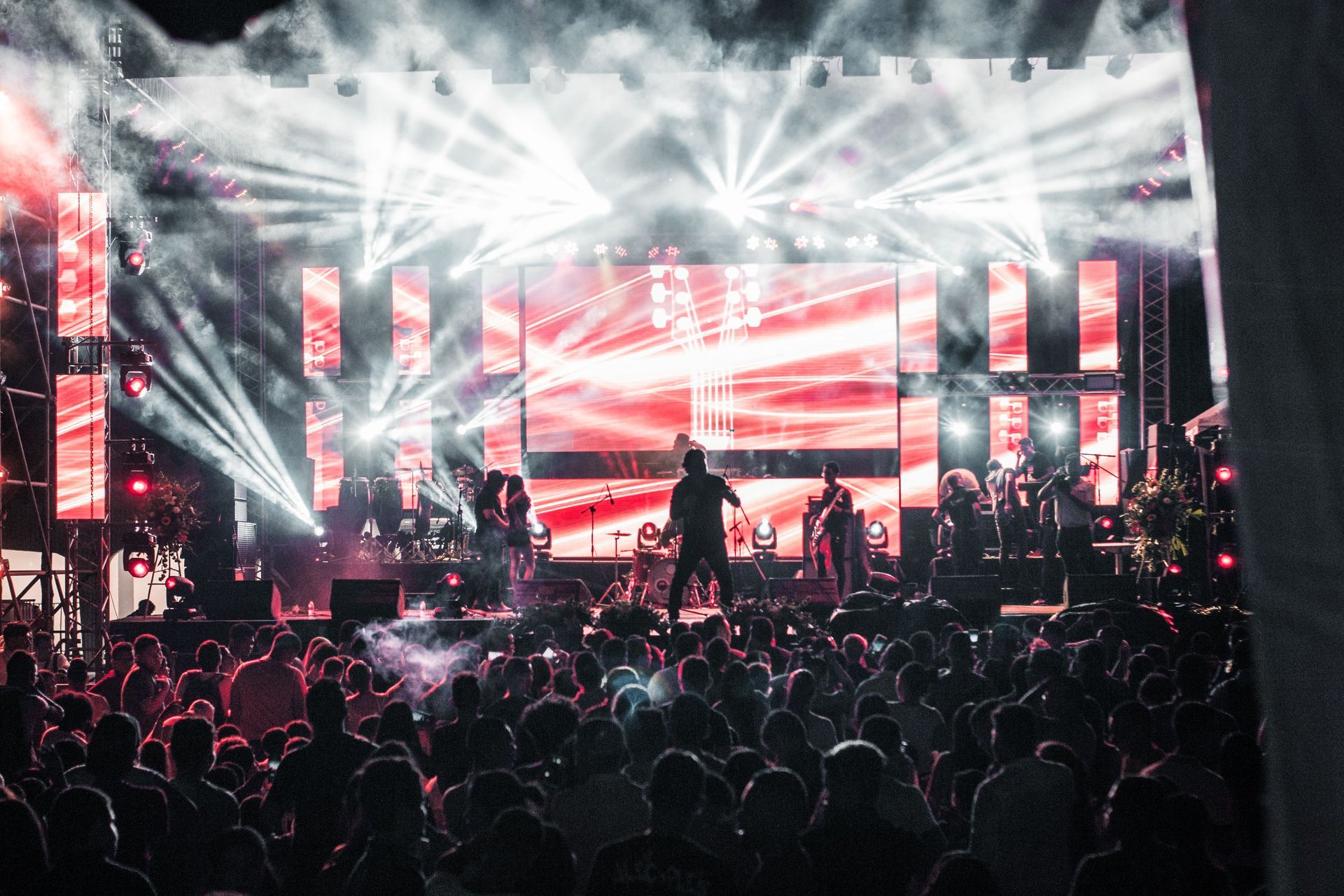
Attending open‑air concerts and festivals in Ohio has taught me that sanitation is more than a minor detail—it’s a make‑or‑break factor for attendee comfort. Last summer at a local music festival in North Olmsted, long restroom lines dampened the mood for hundreds of guests. That experience sparked my interest in how event planners can avoid similar issues. This guide blends practical advice with lessons learned to help you choose the right number and type of portable restrooms for large gatherings.
Why Portable Restrooms Matter at Festivals
Clean and accessible restrooms are essential to the success of any outdoor festival. Without adequate facilities, guests spend more time waiting in line than enjoying the performances. For event organizers, proper sanitation also helps manage foot traffic, keeps food areas sanitary and avoids damage to the natural landscape. Whether you’re planning a multi‑day music festival, a community fair or a large tailgate party, investing in portable restrooms protects your reputation and promotes a positive attendee experience.
How many porta potties per person for a festival?
The most common question event planners ask is how many units are enough. A general rule of thumb is one portable toilet per 50–75 people for an all‑day event. Long durations, alcohol sales and high‑traffic areas all increase usage, so you should add extra units when these factors apply. For example, a small festival of 1,000–2,500 attendees typically requires 15–25 porta potties; for medium events of 2,500–5,000 attendees, plan on 25–50 units. Large events with 5,000–10,000 guests need at least 50–100 portable restrooms, and festivals with 10,000 or more people may require 100–250 units.
Suggested units by attendance and duration
The section below summarizes typical requirements based on attendance for a single‑day event. Use the higher end of each range when alcohol is served or when the event lasts more than four hours:
- 50 attendees: 1–2 porta potties
- Suitable for small gatherings such as community meetings.
- 100 attendees: 2–3 porta potties
- For day-long events or when food and drinks are served, add one more unit.
- 500 attendees: 6–9 porta potties
- Multi-day festivals may require up to nine units.
- 1,000 attendees: 9–12 porta potties
- Medium-sized concerts often need 20–25 units due to increased beverage consumption and longer event durations.
- 5,000 attendees: 50–100 porta potties
- Large festivals should follow approximately a 1:75 attendee-to-restroom ratio and increase units if alcohol is being served.
How many portable toilets for 100 guests?
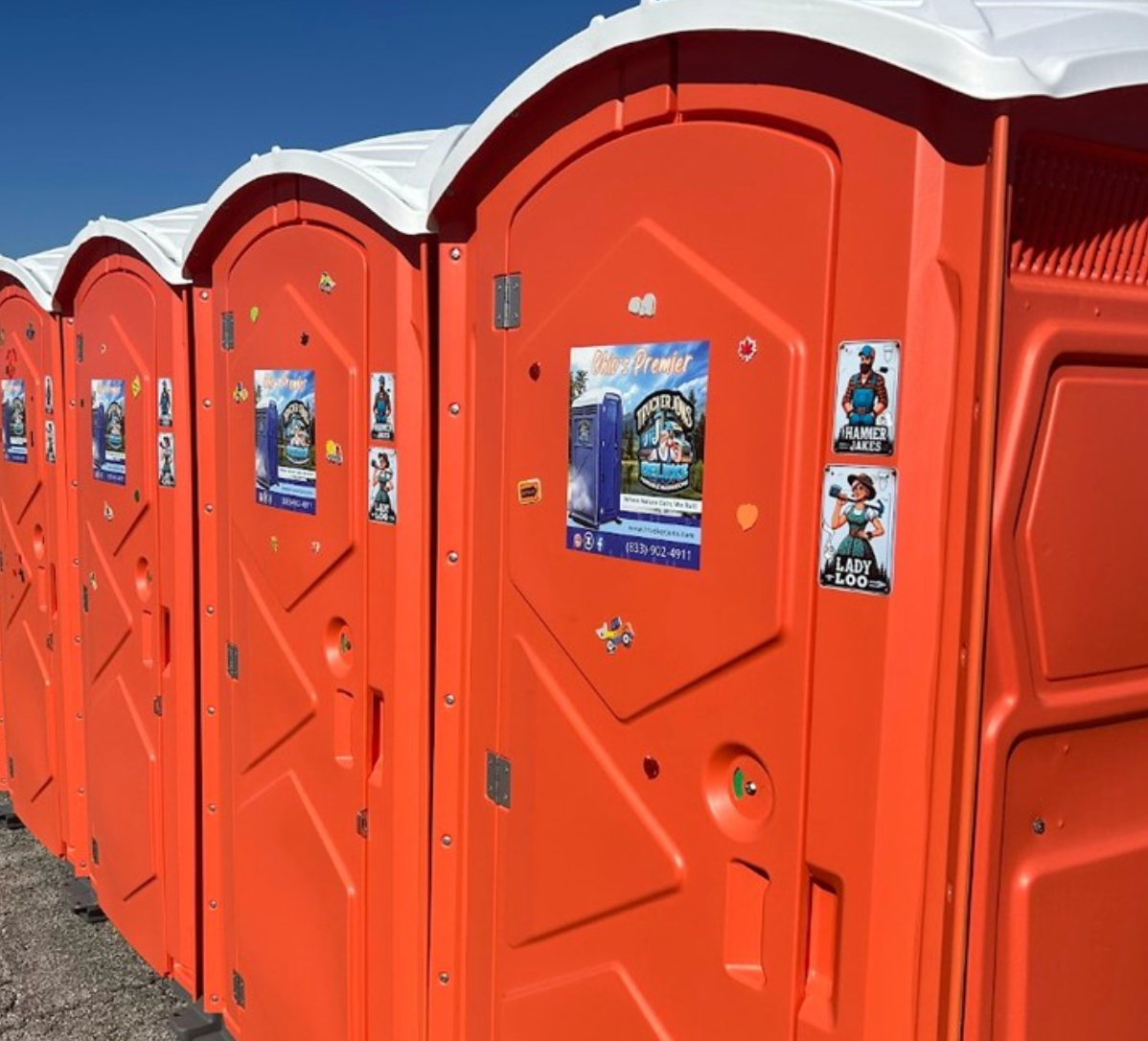
Intimate concerts, weddings or corporate gatherings often host fewer than 100 people. For a four‑hour event with 100 guests, two standard units are usually sufficient. If your event stretches into the evening or includes significant food and beverage service, consider renting a third restroom to avoid lines. It’s also wise to include at least one accessible unit; ADA guidelines recommend that about 5 % of total restrooms be wheelchair‑friendly.
Factors That Influence Porta Potty Requirements
Duration and crowd behavior
Event length dramatically impacts restroom usage. For gatherings lasting more than four hours, increase the number of units by 10–15 % and schedule extra servicing to restock supplies. Alcohol consumption increases restroom use by 25–40 %, and each additional day adds another 10–15 % demand. Food vendors also boost local demand by 15–25 %, so allocate more units near concession areas.
Weather and site conditions
Outdoor events in hot weather drive guests to hydrate more often; in cold conditions, freezing tanks become a concern. To keep guests comfortable, place units in shaded areas during summer and use heated or insulated models for winter events. Stable ground is critical: gravel, plywood or temporary flooring prevents units from sinking into mud during rain.
Layout and accessibility
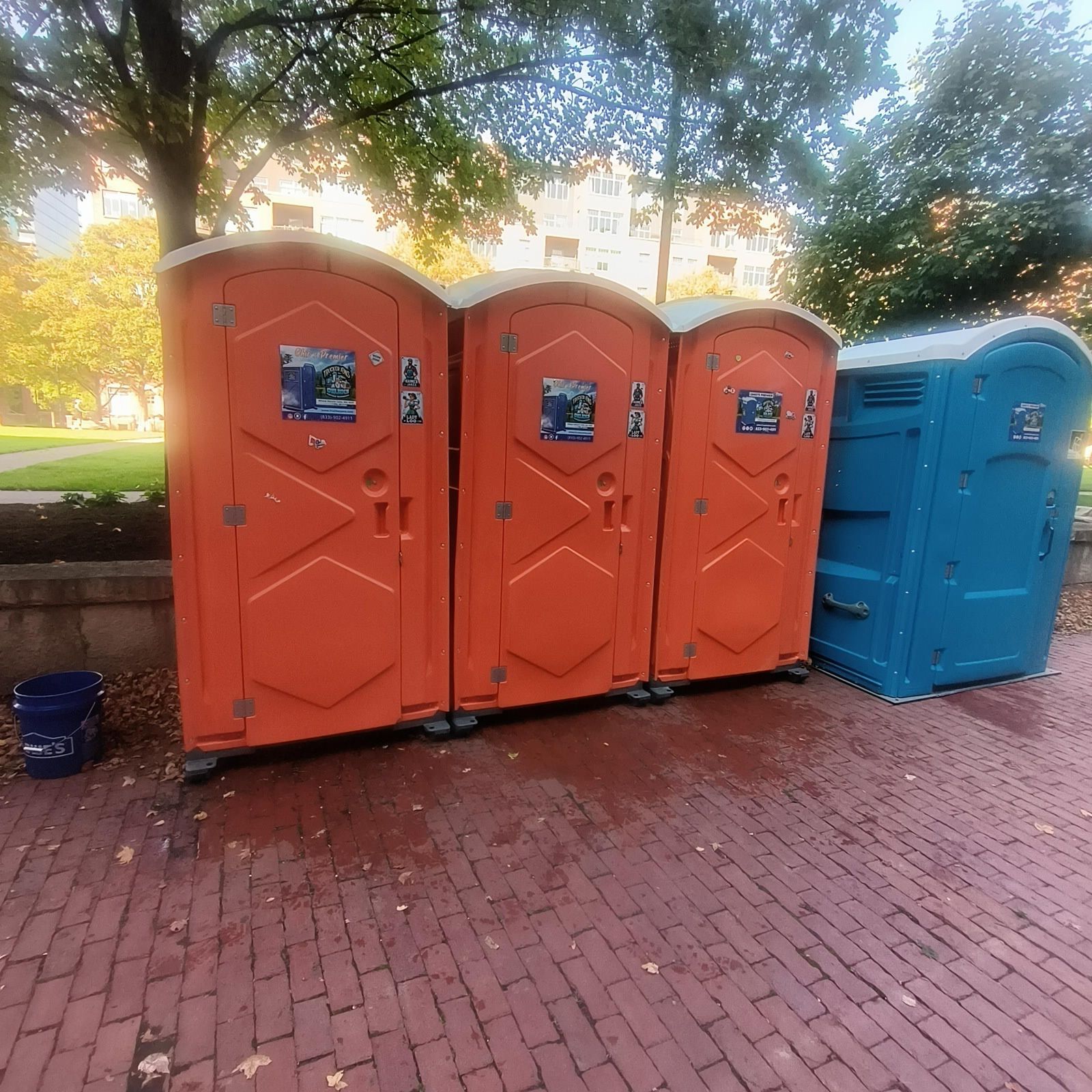
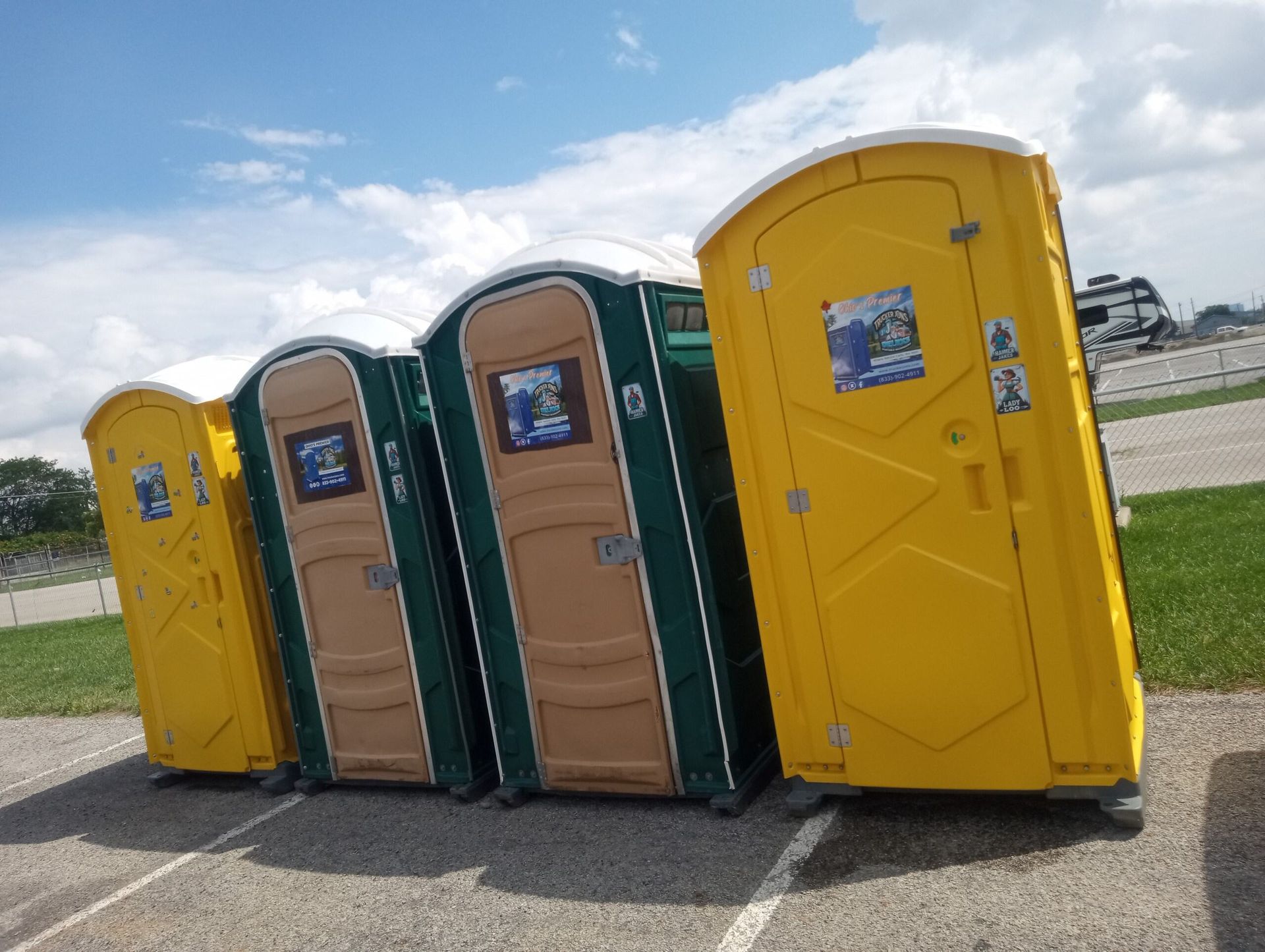
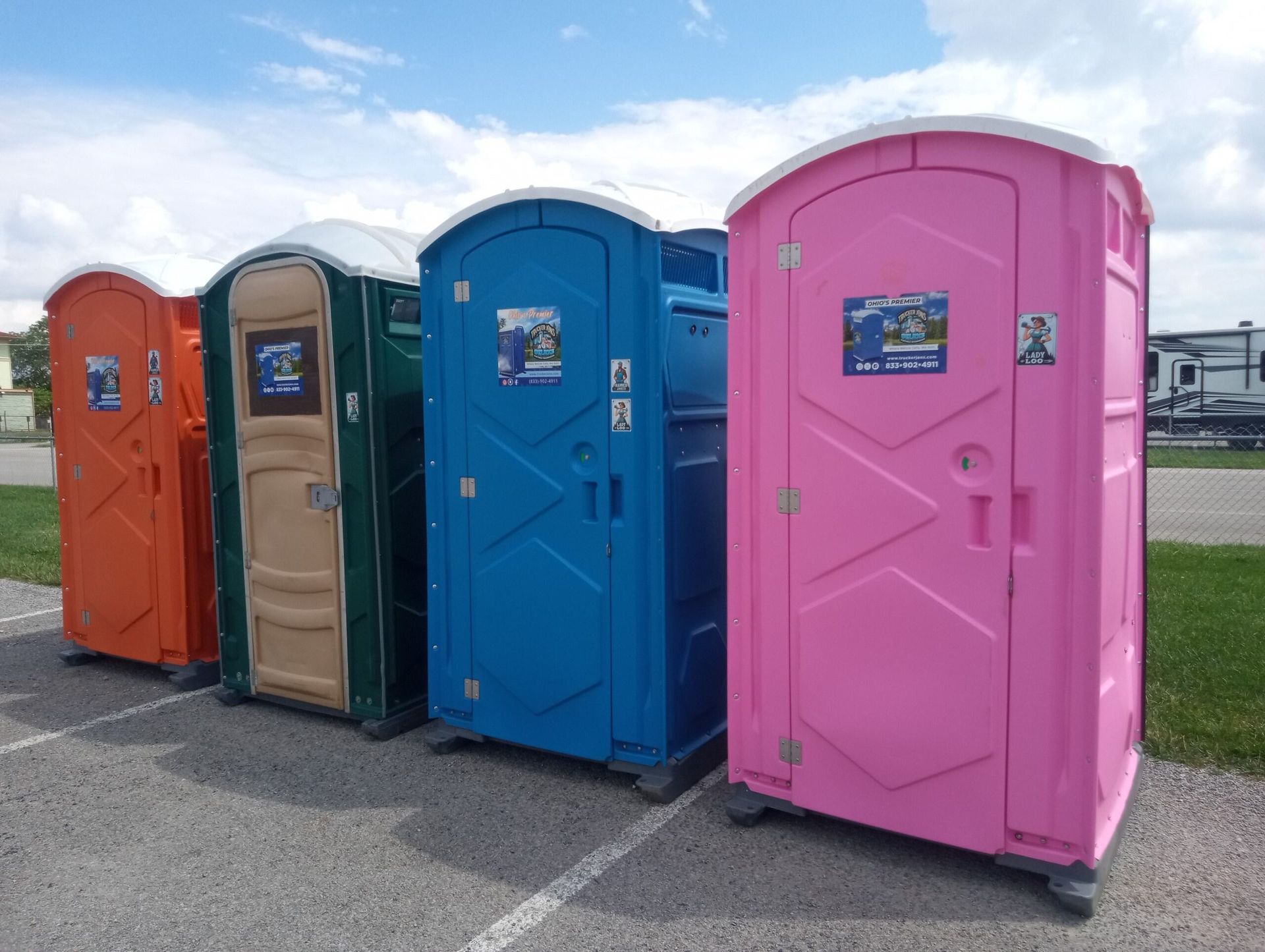
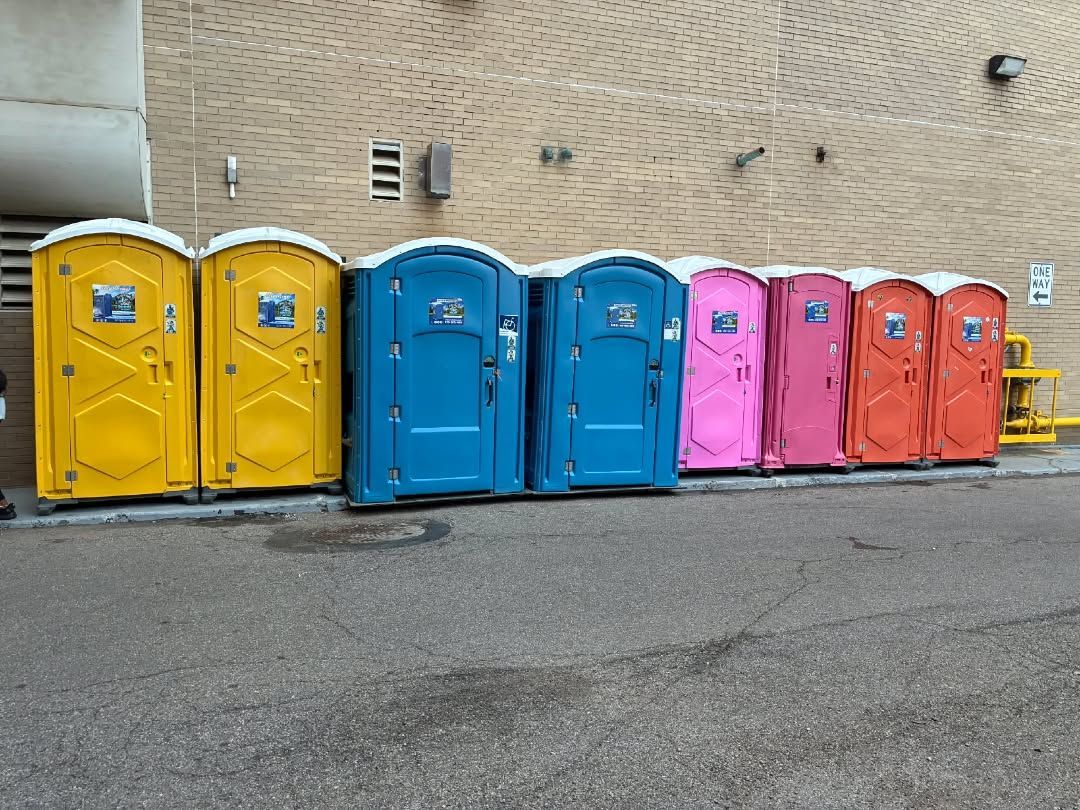
Proper placement makes a big difference. Distribute restrooms evenly around the venue to minimize walking distance, ideally keeping each bank within 300–500 feet of patrons. Cluster units in groups of four to eight for efficiency and ensure pathways are clearly marked and well lit. Keep restrooms close to stages, entrances, exits and food areas, but avoid placing them directly next to dining zones or upwind.
Security and permits
Large public events often require permits for temporary sanitation facilities. Check local regulations early and secure approvals well in advance. To protect your investment, consider fencing around restroom banks, padlocks when units are not in use and overnight security for multi‑day festivals.
Premium and ADA Options for Diverse Audiences
Standard units are affordable and include features such as self‑closing doors, ventilation and stocked toilet paper. For upscale VIP areas or corporate suites, Premium Portable Restroom Rentals—luxury trailers with flushing toilets, running water and climate control—provide an elevated experience. Couples or families with young children appreciate these upgraded amenities. Remember to include Portable Restroom Rentals in your plan for general guests and Other Portable Rental Sanitation Services for handwashing stations and holding tanks; linking to these services ensures readers can learn more.
Wheelchair‑accessible units feature wider doors, grab bars and spacious interiors. Follow the 5 % rule—ensure at least one ADA‑compliant unit for every twenty standard units. These units should be placed on firm, level ground with compacted pathways so wheelchair users can access them easily.
How much does it cost to rent a porta potty for 30 days?
Renting a porta potty for an entire month provides cost savings compared with daily or weekly rates. For standard units, expect to pay between $125 and $275 per month. In cities with high demand, prices can rise to $300–$350 per unit, while rural areas may see rates as low as $125. The base price usually covers weekly servicing, delivery and pickup, as well as deodorizer and sanitizer supplies.
Deluxe models with flushing capabilities, handwashing stations or solar lighting cost more. According to one rental guide, handicap‑accessible units start around $175 per month and can exceed $435 depending on service frequency. Remember that multi‑day festivals may require more frequent pumping and cleaning, which adds to the monthly cost.
How much does it cost to rent a porta potty per month?
Although a 30‑day rental and a monthly rental are often synonymous, the monthly rate can vary based on local market conditions. Nationwide price surveys suggest basic units range from $75 to $159.50 per month. Premium units with added amenities or ADA accessibility start at $175 and can exceed $435. Factors such as fuel costs, distance to the rental company’s depot and regional supply‑demand cycles also affect pricing. Urban markets like New York or Chicago tend to be more expensive, while smaller towns benefit from competitive pricing.
Bundled packages that include handwashing stations or multiple units may reduce overall costs. When budgeting, remember that extra servicing (pumping and restocking supplies) typically costs $30–$60 per visit. Planning ahead and locking in your reservation several months before peak festival season can help secure lower rates.
Placement and Maintenance Strategies
Once you’ve determined how many units to rent, consider placement and upkeep. Position restrooms near stages, entrances and food courts so guests never have to wander far. Use signs and lighting to guide people to the nearest facilities, and cluster units in groups of four to eight to simplify servicing. For multi‑day events, schedule daily pumping, cleaning and restocking to keep facilities fresh and hygienic. Single‑day events should include at least one midday service check.
Volunteers or staff can monitor restrooms for supplies and cleanliness. Provide handwashing stations with running water, soap and paper towels to encourage good hygiene. In wet or windy conditions, secure units with stakes or tie‑downs and avoid low‑lying areas that could flood. During cold weather, consider heated units or antifreeze‑treated tanks to prevent freezing.
Budgeting and Cost‑Saving Tips
Sanitation often accounts for 60–70 % of a festival’s overall sanitation budget, so careful planning can yield significant savings. Request quotes from multiple vendors and compare packages that bundle restrooms, sinks and service calls. Opting for standard units for most guests while reserving premium restrooms for VIP sections can balance comfort and cost. Booking your rental six months or more before the event reduces the risk of shortages and secures better pricing. Avoid underestimating your needs—a common mistake that leads to long lines and emergency rentals at premium prices.
Planning Ahead: Reserving and Coordination
High‑capacity events require coordination with local authorities. Apply for permits well in advance and confirm placement guidelines to avoid fines or relocations. Collaborate with vendors on delivery and pickup schedules that won’t conflict with stage setup or vendor arrival times. Create a site map detailing restroom locations, handwashing stations and service routes so staff know where to direct attendees. During multi‑day festivals, establish a communication protocol between event organizers and the rental company for real‑time service needs.
To inspire your planning, take a look at the article 5 Events That Need Deluxe Porta Potty Rentals in Ohio, which highlights how deluxe restrooms elevate experiences at weddings, sporting events, corporate gatherings and more. Learning from these examples can help you tailor your sanitation strategy to your event type and audience.
Conclusion: Deliver Comfort and Class
Adequate sanitation ensures your festival or concert runs smoothly and keeps guests happy. By following proven ratios for unit counts, choosing the right mix of standard, premium and accessible restrooms, and placing units strategically, you reduce lines and improve hygiene. It’s not just about compliance; it’s about creating a comfortable environment where people can focus on the music, food and community. With thoughtful planning and reliable partners, your next large‑group event will be memorable for all the right reasons.