Renting Porta Potties for an Outdoor Event? Here's What Most People Forget to Plan For
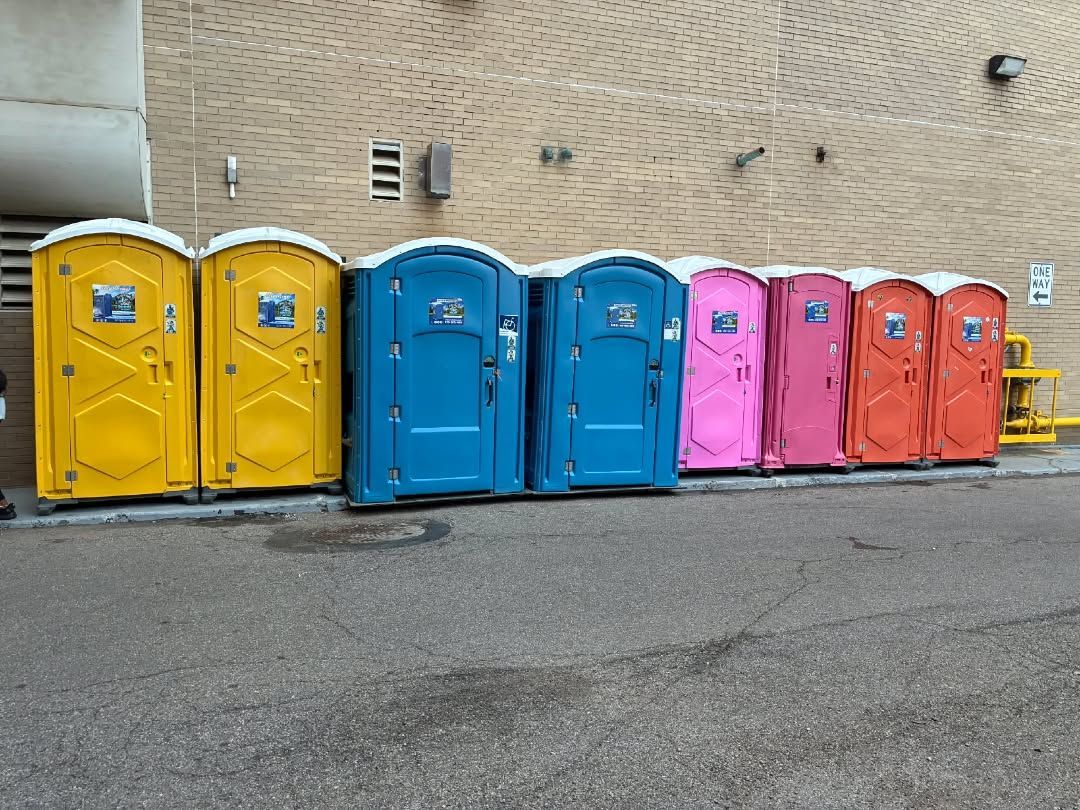
The restrooms are rarely the exciting part of an outdoor event, but they can quickly become the part everyone remembers. Guests may forgive a delayed food truck or a rain shower. They are less forgiving when the restroom line takes 20 minutes, the units are hidden in the dark, or the nearest sink is across the property.'
Renting Porta Potties for an Outdoor Event? Here's What Most People Forget to Plan For is not simply about setting a toilet beside a tent. It is about traffic flow, accessibility, delivery access, weather, service timing, and how people will use the space. Those details matter at weddings, company picnics, fairs, concerts, and backyard celebrations.
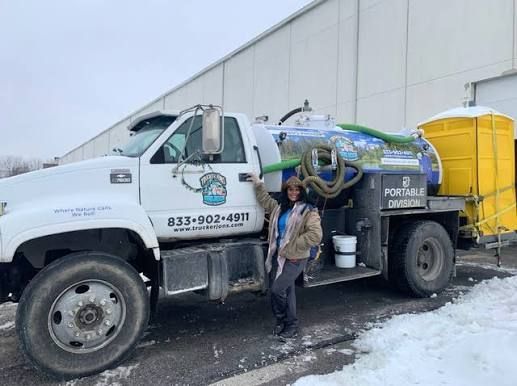
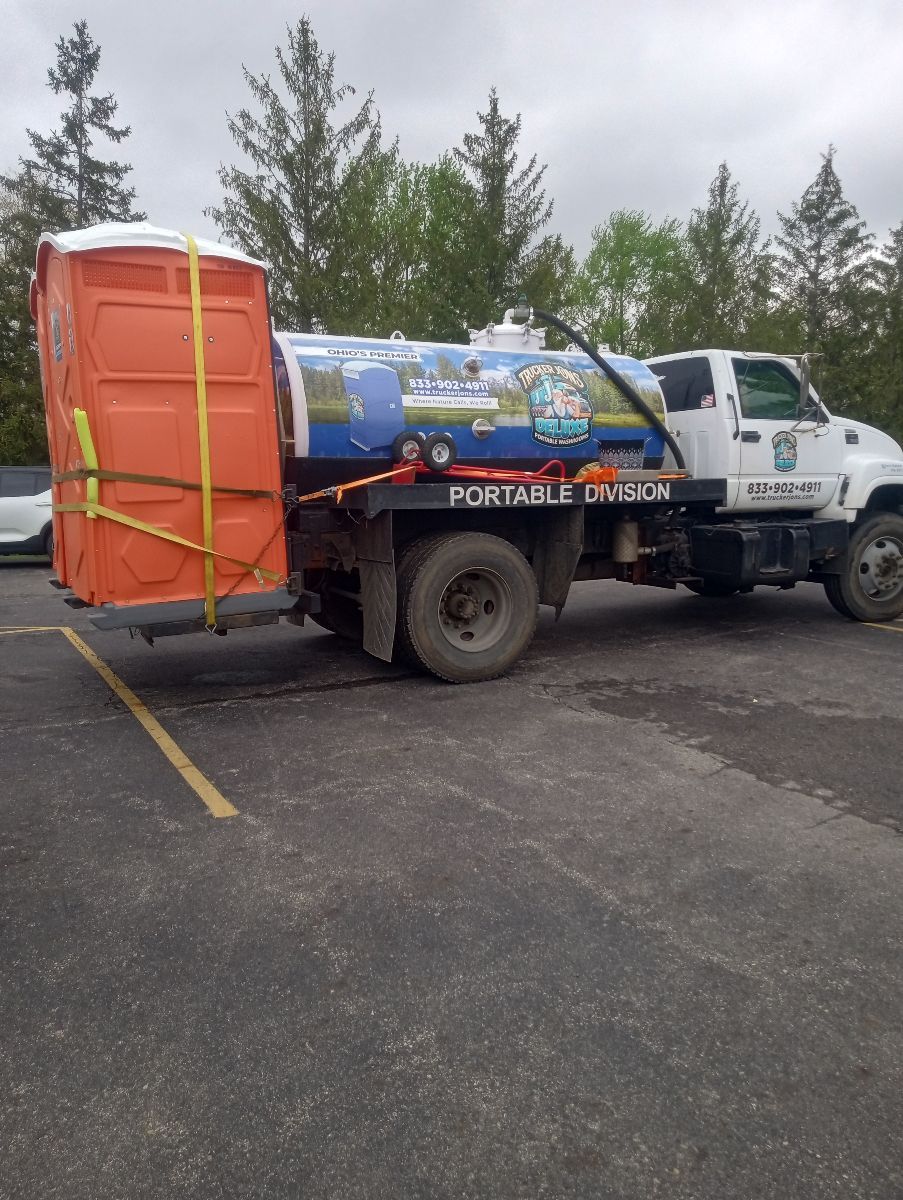
Trucker Jon’s owner Kerri Scott entered the sanitation business after years as a professional truck driver. She spent long days navigating Central Ohio streets, backing large equipment into tight areas, and seeing what happens when workers and drivers cannot find a restroom. Her experience offers a useful reminder: the plan must work for both the guests and the truck delivering and servicing the units.
Renting Porta Potties for an Outdoor Event? Here's What Most People Forget to Plan For
Most planners begin with one question: “How many units do I need?” That matters, but it is only the starting point. A better conversation includes guest count, event length, alcohol and food service, age range, accessible needs, layout, and time of day.
A four-hour family reunion will not use restrooms like an eight-hour music festival. A wedding with a full bar may create heavier traffic than a daytime youth event with the same headcount. When reviewing Portable Restroom Rentals, give the provider the full picture instead of only the attendance estimate.
The biggest mistake is planning for an average moment. Restroom demand usually arrives in waves—after dinner, between performances, during halftime, or just before guests leave.
How Many Porta Potties for 100 Guests?
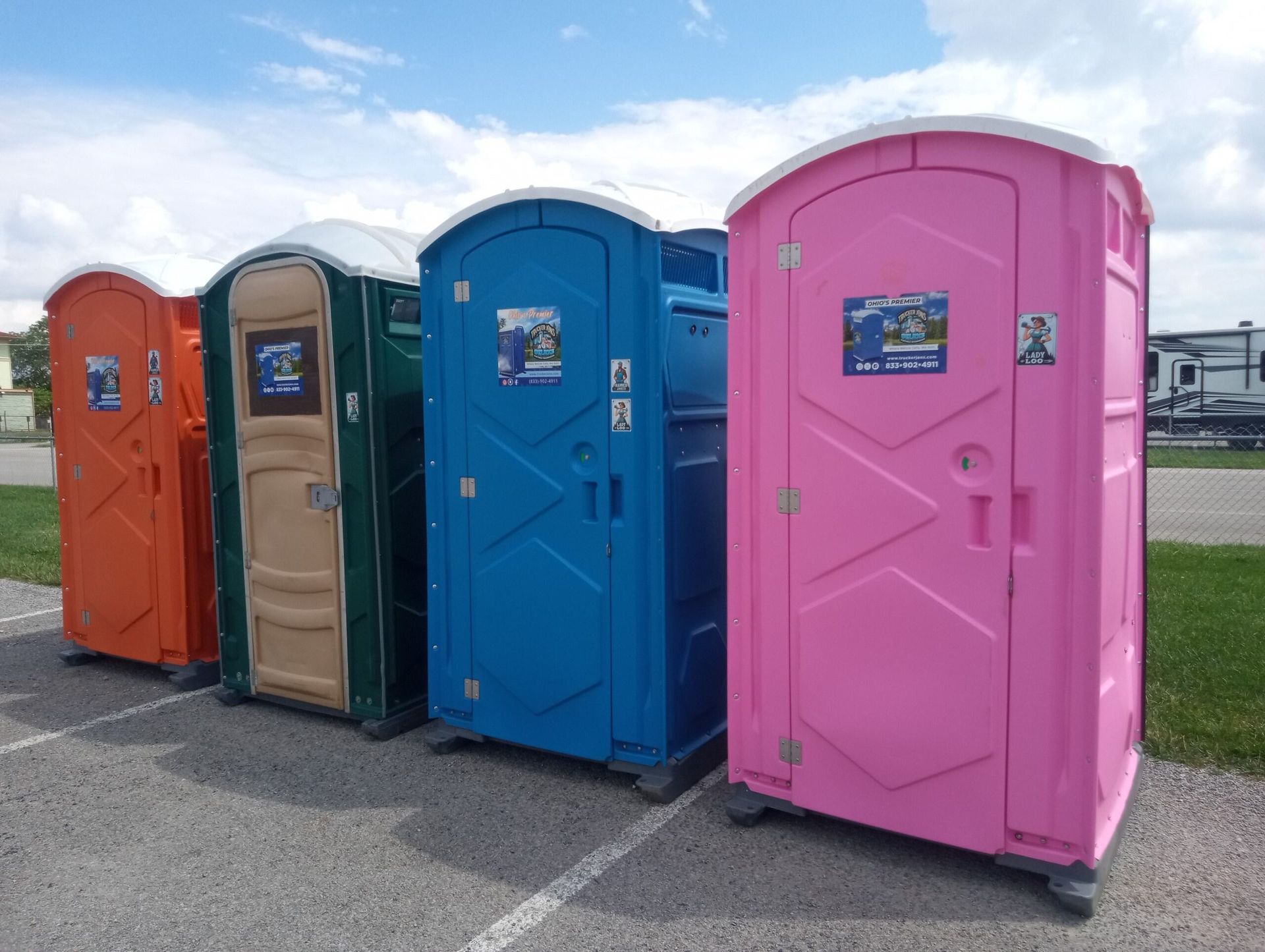
For approximately 100 guests at a four-hour outdoor event, two standard portable toilets are often a practical starting point. A third may be smart when alcohol is served, the event lasts longer, permanent restrooms are unavailable, or breaks release many people at once.
Think About Peak Use, Not Only Attendance
Imagine a concert with 100 people and a 20-minute break between acts. Even if two units technically cover the crowd, both can develop lines. Three units may make the entire event feel more organized.
Food-heavy events also create more restroom traffic. Guests who eat, drink, and stay several hours naturally use the facilities more often. For larger gatherings, read
Festival and Concert Porta Potty Rentals: Planning for Large Groups.

What Is the Average Cost of Renting a Porta Potty for One Day?
A standard one-day porta potty rental commonly starts around $75 to $100 per unit. Premium or deluxe units may range from about $150 to $250 or more, while accessible models can also fall within a higher range because they are larger and include added features.
These are planning estimates, not guaranteed prices. Delivery distance, pickup timing, local demand, event date, quantity, and extra servicing can change the quote. A Saturday festival during peak summer may cost more than a weekday event near the provider’s normal route.
Ask what the price includes. Delivery, setup, pickup, toilet paper, deodorizer, and one service may be bundled, but never assume. Emergency cleaning, difficult access, damage, or last-minute changes can add costs.
How Much Is a Mobile Toilet for Rent?
“Mobile toilet” can describe several products. A basic portable toilet is usually the least expensive. A deluxe unit, flushing restroom, ADA-accessible model, or restroom trailer costs more because it provides extra space, comfort, fixtures, or utilities.
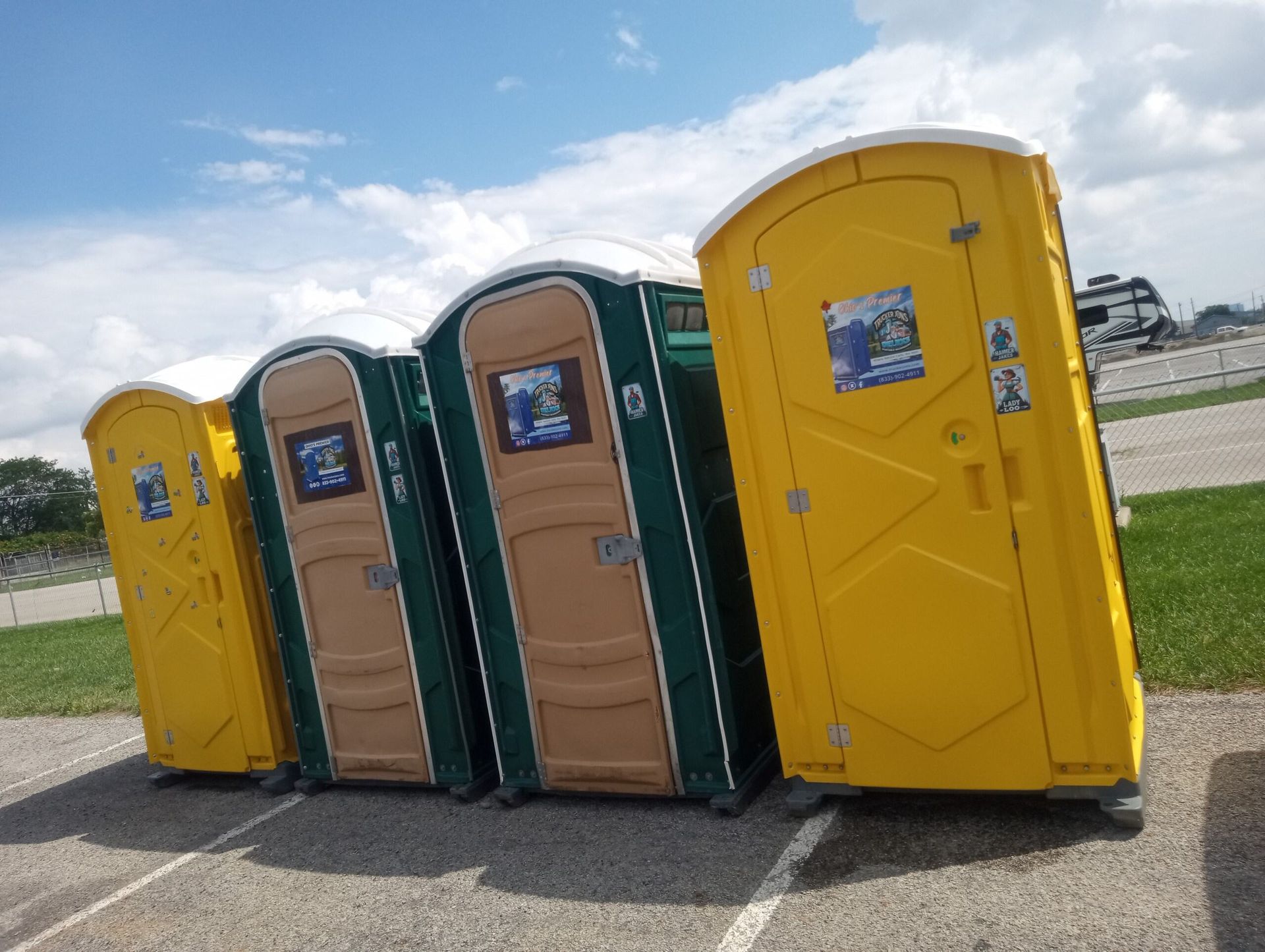
For weddings, corporate events, and VIP areas, Premium Portable Restroom Rentals may fit the setting better than basic construction-style units. You can also mix unit types, using standard restrooms for most guests and premium units near a bridal suite, sponsor area, or hospitality tent.
Before comparing quotes, confirm you are comparing the same unit type. A low price is not a bargain when it excludes delivery, servicing, handwashing, or needed features.
Placement Can Make or Break the Rental Plan
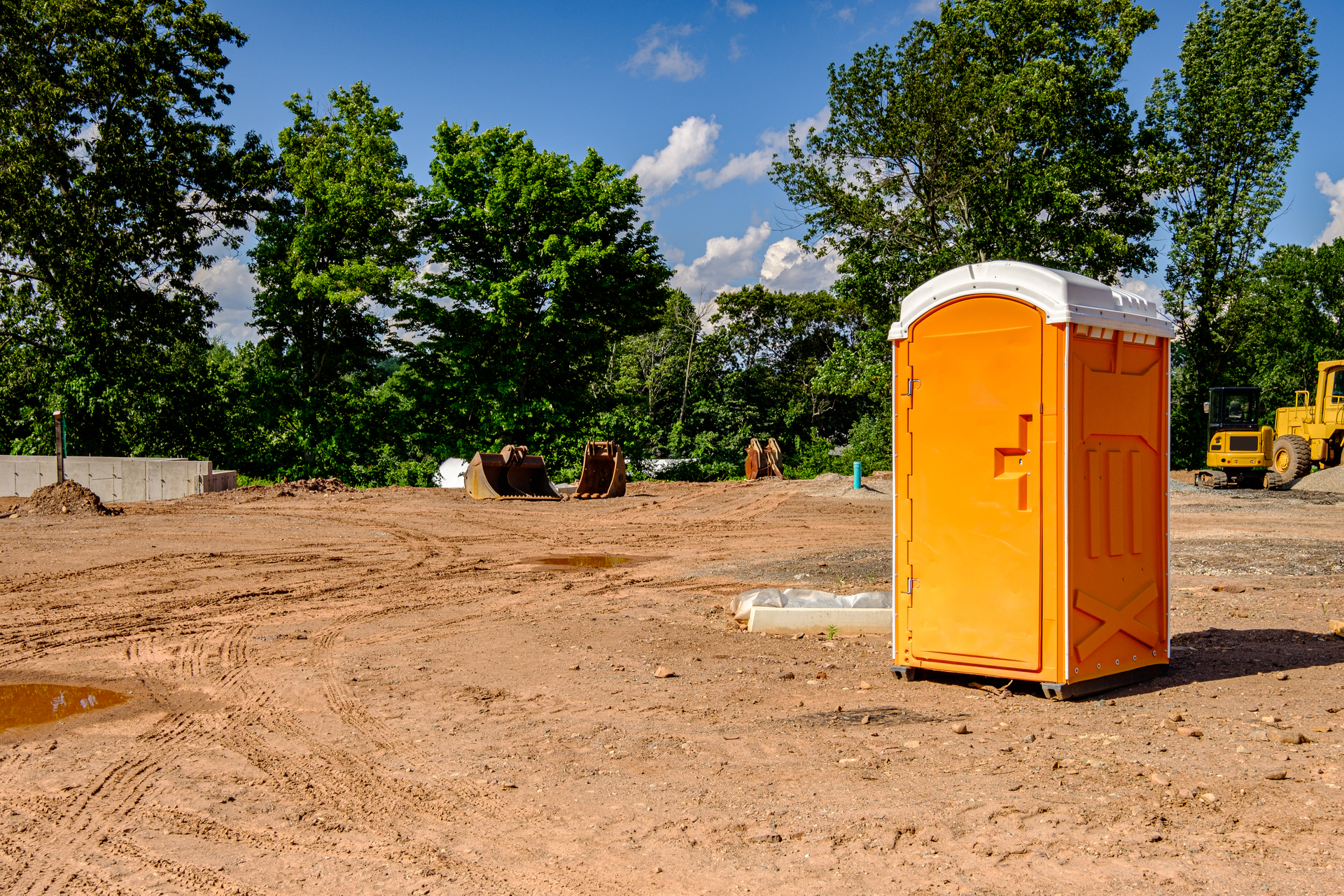
A portable toilet needs flat, stable ground. It should not sit in a low area that collects rainwater, on a steep slope, or where soft soil may shift. The delivery crew also needs enough clearance to place it safely.
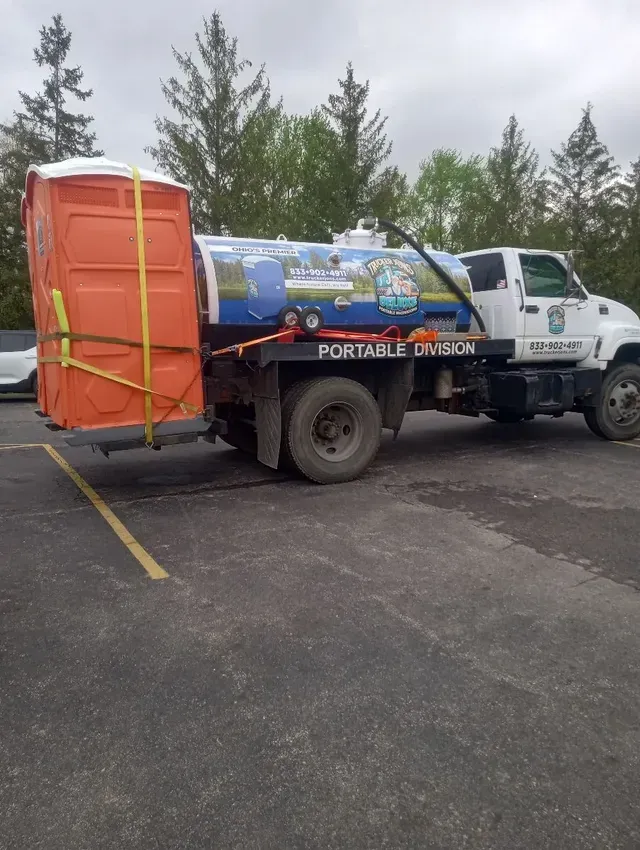
Kerri Scott’s trucking background highlights why “close enough” on a site map may not be close enough for a service vehicle. A truck needs room to enter, turn, reach the units, and leave without crossing crowded areas. Locked gates, parked vendor vehicles, low branches, narrow paths, and decorative barriers can block service.
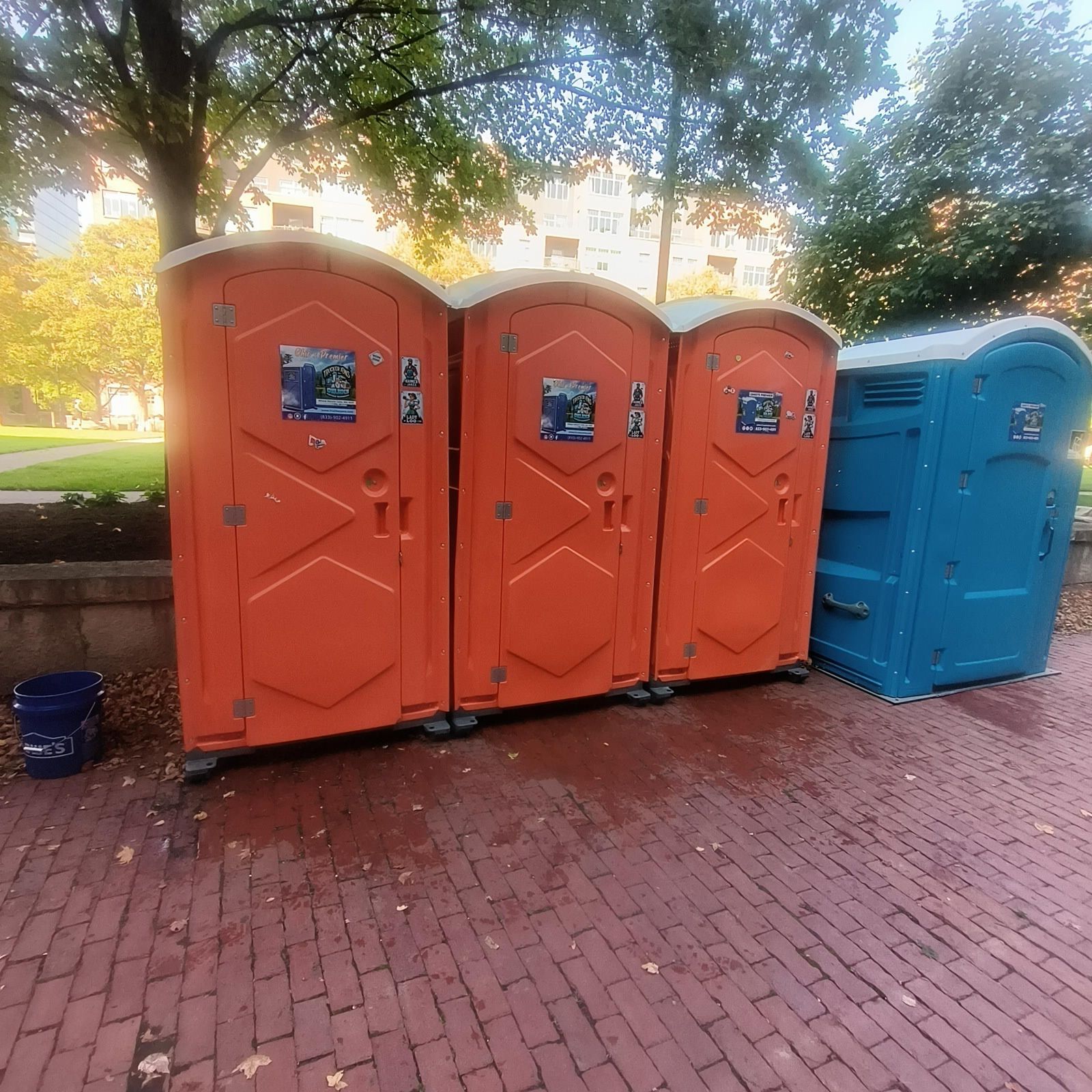
Place units close enough for convenience but not beside dining tables, ceremony seating, or food preparation. Use visible signs and lighting. At large sites, several smaller clusters often work better than one distant row because they reduce walking and spread out traffic.
Do I Need a Permit to Rent a Porta Potty?
You usually do not need a permit simply to sign a rental agreement, but the event or placement may require approval. Public parks, streets, fairgrounds, municipal property, and large public events often have sanitation, accessibility, and location rules.
Start with the venue manager or local permitting office. Ask whether the event permit covers temporary restrooms and whether there are requirements for setbacks, accessible routes, handwashing, waste removal, or unit counts. Do this early, because the delivery location may need to change.
Private-property events are often simpler, but homeowner association rules, landlord approval, or local nuisance requirements may still apply. A quick check is easier than relocating every unit on event morning.
Accessibility Is More Than Ordering One Larger Unit
Accessible restrooms must be usable from the route leading to them. A wheelchair-friendly unit placed across gravel, mud, a curb, or a steep grassy hill is not truly accessible. The path, entrance, turning space, and signage all matter.
Federal guidance generally calls for at least 5% of portable single-user toilets in each cluster to be accessible. The U.S. Access Board’s ADA guidance for portable toilet units explains accessible routes and maneuvering space. Local rules or venue standards may add requirements.
Accessible units also help older adults, caregivers, parents assisting children, and guests using walkers. Place them with the main restroom group rather than isolating them.
Handwashing, Lighting, and Service Checks Are Easy to Forget
A sanitizer dispenser is helpful, but it is not always a substitute for a handwashing station. Events with food vendors, children, or long stays benefit from water, soap, and paper towels. Through Other Portable Rental Sanitation Services, planners can ask about support beyond the toilet units.
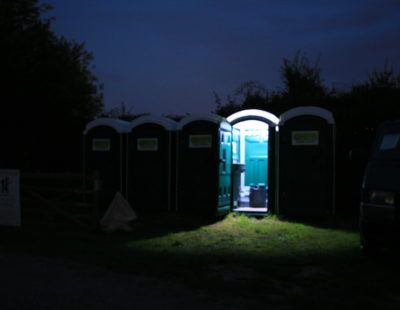
Lighting is another small detail with a large effect. Guests need to see the path, door, lock, and surrounding area after sunset. Avoid unsafe extension cords across walkways.
Assign a staff member to check the restroom area. They can report low supplies, spills, damage, long lines, or blocked access before a small issue becomes the event’s main complaint.
Weather, Alcohol, and Event Length Change the Math
Heat makes odors more noticeable, while rain can turn a good placement area into mud. Wind may require units to be secured, and freezing conditions can affect tanks and service. Tell the rental company what the site is like.
Alcohol and longer hours increase use. So do meal service, children, and schedules that release many guests together. Adding one unit or planning a mid-event check may be cheaper than an emergency delivery.
Build the plan around real guest behavior. Confirm the count, unit types, accessible route, handwashing, lighting, delivery window, service access, pickup time, and backup contact. Porta potties may not be the centerpiece, but good planning keeps them from becoming the story afterward.