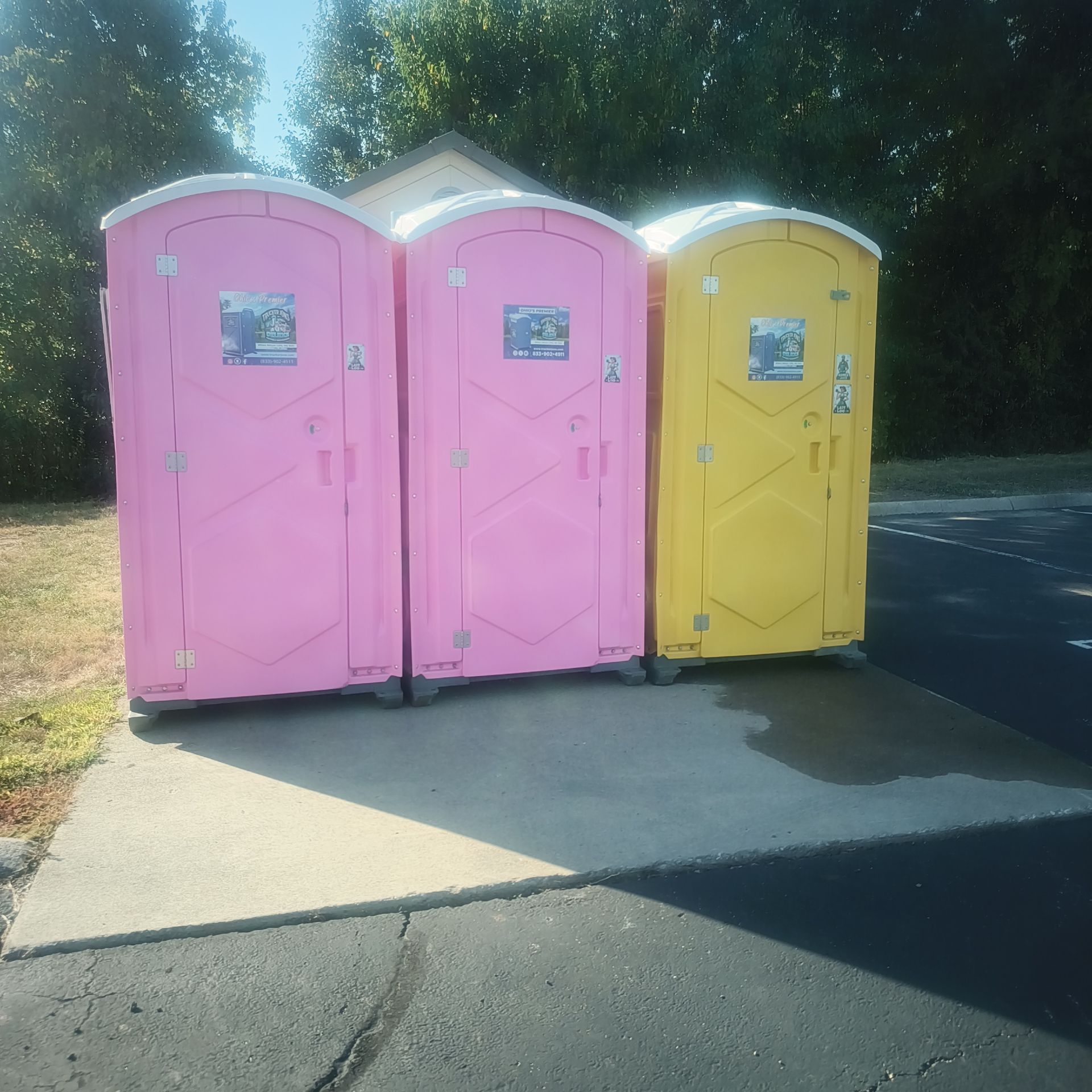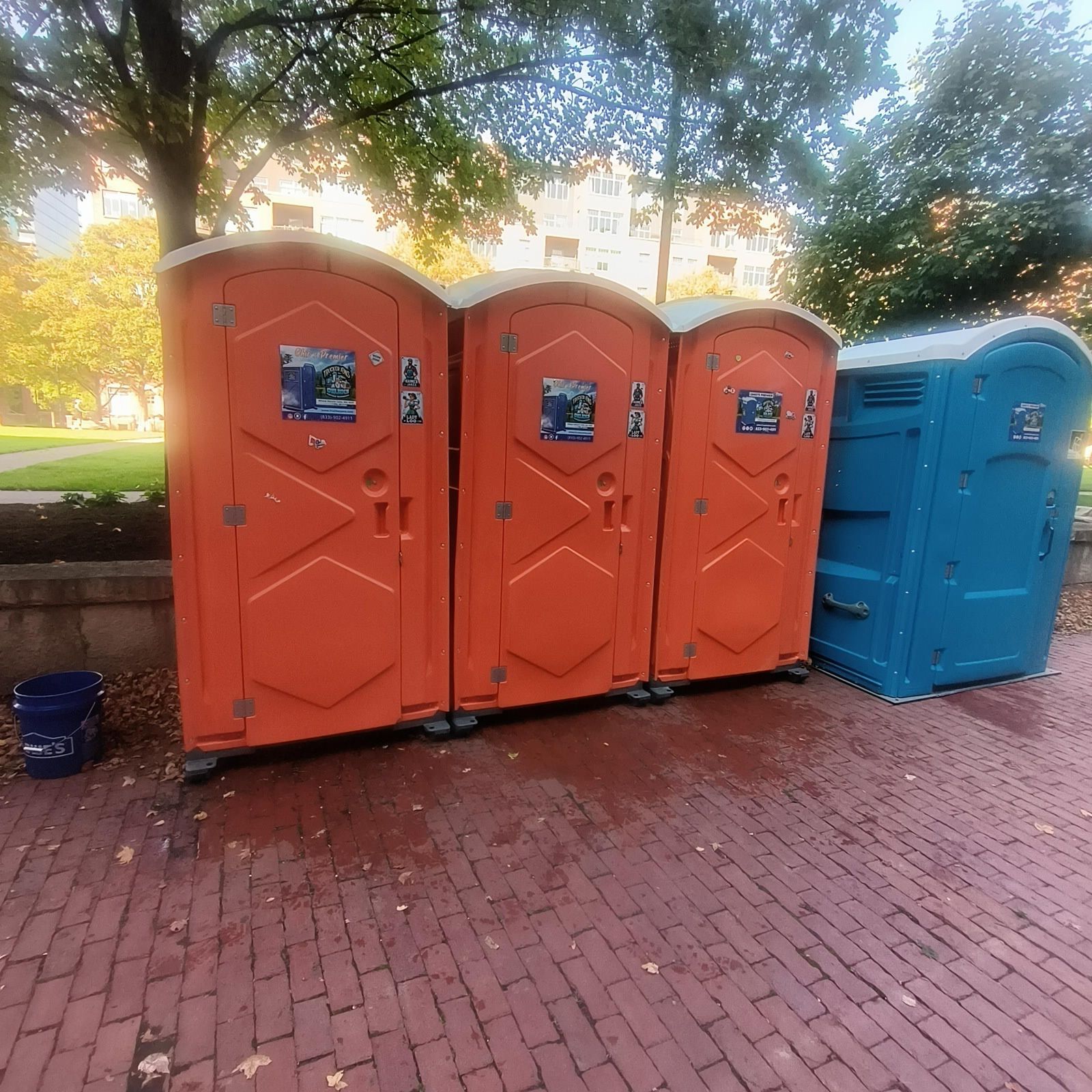
How Many Portable Toilets Do You Need for a Full-Day Event?
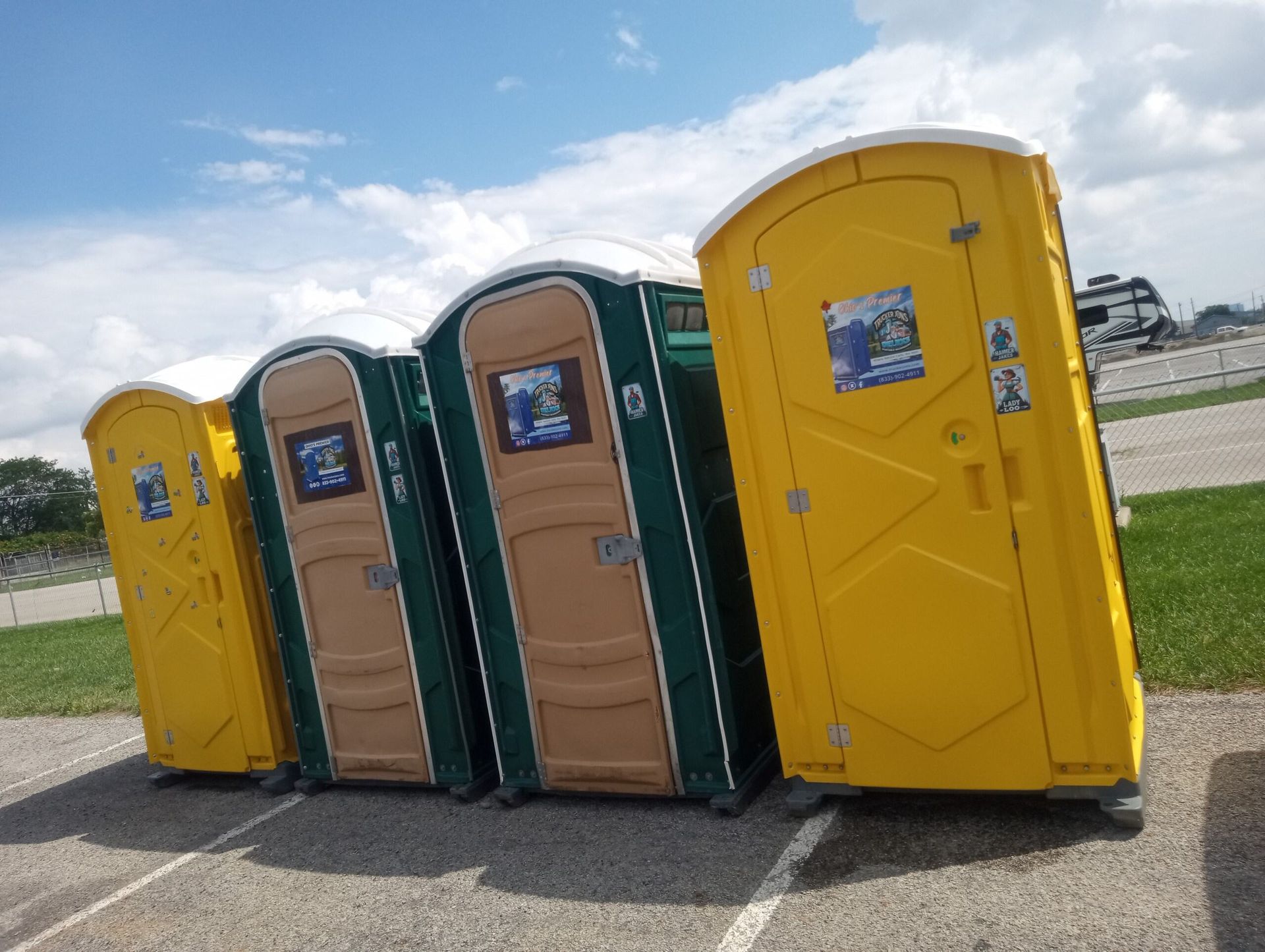
For a full-day event, a practical starting point is about two portable toilets for every 100 guests, then adjust upward for alcohol, heavy food and drink service, long operating hours, or limited permanent restrooms. The goal is not simply to meet a ratio. It is to keep lines short and units usable from opening through cleanup.
If you are asking how many portable toilets do you need for a full-day event, headcount is only the first number to look at. A six-hour family reunion, a ten-hour festival, and an all-day concert can have the same attendance but very different restroom demand.
How Many Portable Toilets Do You Need for a Full-Day Event? A Quick Planning Rule
For most six-to-ten-hour events, two units per 100 guests is a useful baseline. That works out to roughly one toilet for every 50 people. For larger, higher-traffic events, adding capacity is often a better decision than trying to operate at the bare minimum.
Here is a simple starting list:
- 50 guests: 1–2 portable toilets
- 100 guests: 2 portable toilets
- 200 guests: 4 portable toilets
- 300 guests: 6 portable toilets
- 500 guests: 10 portable toilets
- 1,000 guests: 20 portable toilets
These are planning numbers, not a one-size-fits-all code requirement. If a bar is open all day, guests are drinking more fluids, the event runs into the evening, or there are few indoor restrooms nearby, increase the count. For a busy concert or festival, we would rather see a little extra capacity than long lines halfway through the event.
How many portable toilets per person event?
A good way to think about the question “how many portable toilets per person event?” is to start around one unit per 50 guests for a full-day gathering. Shorter events may be able to use fewer units, while long festivals, fairs, tournaments, and concerts often need more.
The biggest mistake is calculating only from the invitation list. What matters is how many people will actually be on-site at the same time and how long they will stay. A 300-person event with constant turnover may create less pressure than 300 people who remain on the property for eight straight hours.
When we look at
Portable Restroom Rentals for events, we also consider whether existing bathrooms are available. If a venue already has six permanent stalls, the portable units are supplementing that capacity rather than carrying the entire crowd.
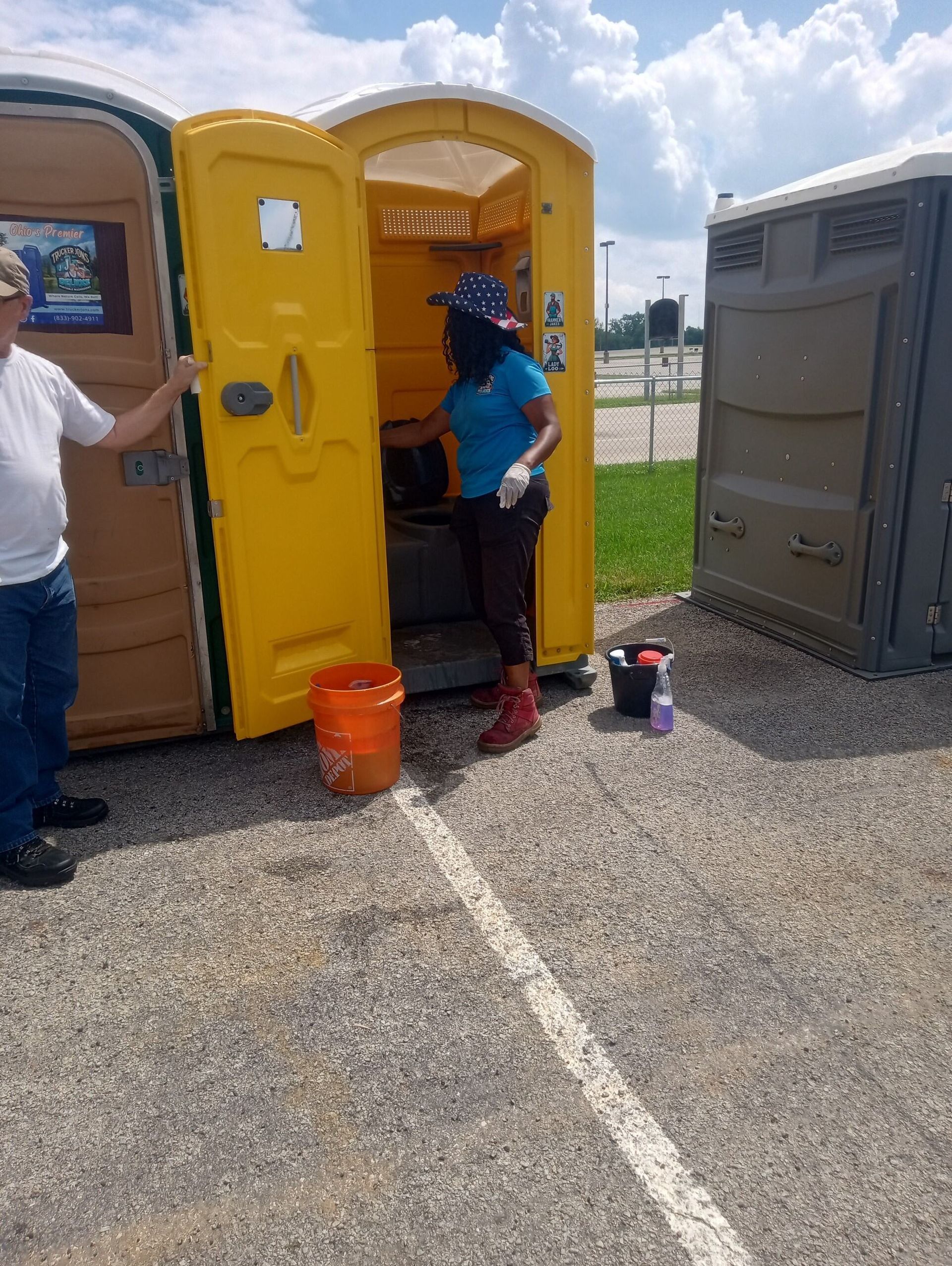
How many toilets should you have at an event?
For a typical full-day event, start with attendance, duration, and available permanent restrooms. Then ask what will increase usage. Food service, alcohol, warm weather, children, older guests, and a tightly scheduled program can all change how often people use the restroom and when lines form.
For example, imagine 250 guests at an outdoor wedding from 2 p.m. until 10 p.m. Five units may be a reasonable baseline, but if the venue has no indoor bathrooms and beer, wine, and cocktails are served throughout the reception, adding another unit can make the experience noticeably smoother.
That extra unit is not wasted space. It becomes buffer capacity during dinner, between speeches, after the ceremony, and near the end of the night when several guests may head for the restroom at once. Good Event Portable Toilets planning is really about peak demand, not just total attendance.
What changes the number for a full-day event?
The length of the event matters because every additional hour means more uses per unit. An event that starts at 9 a.m. and ends at 9 p.m. can put substantially more demand on portable toilets than a three-hour afternoon gathering with the same crowd.
Alcohol is another major factor. Guests generally make more restroom trips when beer, wine, or mixed drinks are available. Hot weather can have a similar effect because people consume more water and other beverages throughout the day.
Layout matters too. If your event covers a large park, fairground, sports complex, or multiple activity areas, one big restroom cluster may look efficient on paper but work poorly in practice. Sometimes the right answer is not only more units, but better distribution.
What is the OSHA rule for portable toilets?
OSHA’s construction sanitation rule is often mentioned when people discuss portable toilets, but it is important to understand what it covers. It applies to workers on construction jobsites, not as a guest-count formula for weddings, festivals, or public events.
Under OSHA’s construction standard, jobsites with 20 or fewer employees must have at least one toilet. For larger crews, the required number increases based on workforce size. OSHA also expects toilets to be sanitary and readily available, so simply having a unit on the property is not enough if workers cannot reasonably access or use it.
You can review the OSHA construction sanitation standard directly. If you are planning for a jobsite rather than an event, Trucker Jon’s also has a guide on How many porta potties do I need at my construction site?.
How many portable toilets do I need when alcohol is served?
If alcohol will be available for most of the day, build extra restroom capacity into the plan. A baseline that works for a dry corporate picnic may feel undersized at a beer festival, tailgate, concert, or wedding reception.
There is no single percentage that fits every event, but adding roughly 10% to 20% more capacity is a practical planning cushion when beverage consumption will be high. For an event that already falls between two unit counts, round up rather than down.
This is also where servicing becomes important. A full-day event with heavy use may need a service plan that matches the crowd and schedule. The rental provider needs enough access to deliver, position, and retrieve the units without interfering with guests, vendors, emergency lanes, or event teardown.
Why handwashing stations matter at full-day events
Portable toilets solve one part of sanitation. Guests also need a convenient way to wash their hands, especially when food is being served or people are spending most of the day outside.
For events with multiple restroom units, Handwashing Station Rentals can reduce congestion and improve the overall setup. A practical starting point is one handwashing station for every several toilet units, then adjust based on the size of the station, number of basins, food service, and expected traffic.
This is one of those details that guests may not actively notice when it is done well. They definitely notice when it is missing. Soap, water, paper towels, sanitizer, and sensible placement can make a basic portable restroom area feel much more organized.
Placement can matter as much as quantity
Putting every unit in the farthest corner of the property is rarely a good event plan. Restrooms should be easy for guests to find, but they also need stable ground and enough access for delivery and service vehicles.
For a large event, consider more than one restroom area. Place units near major activity zones without putting them directly beside food preparation, entrances, seating areas, or places where lines will block foot traffic. Accessible units also need a usable, level route rather than being placed across grass, curbs, or uneven terrain that makes access difficult.
In real event logistics, problems can show up before capacity problems do. A planner may have enough toilets on paper, but if half the crowd cannot find them or everyone is funneled toward the same two units, the event can still feel under-supplied.
Why delivery and service access should be planned early
Portable restroom placement cannot be based on guest convenience alone. The delivery vehicle needs a practical route to the drop-off area, and units should not be boxed in later by tents, food trucks, fencing, parked vehicles, stages, or vendor booths.
This is an easy detail to miss because event sites often look completely different on setup day than they did during the original walkthrough. A wide-open field can become crowded quickly once production crews start arriving.
Give your Porta Potty Rental for Events provider an accurate site plan whenever possible. Identify gates, paved access, soft ground, slopes, restricted areas, and the locations of major event features. A few minutes of planning before delivery can prevent a difficult move after the site is already busy.
How many portable toilets do I need? Use this final checklist
Before booking your units, confirm five things: expected peak attendance, total event hours, permanent restrooms on-site, food and alcohol service, and the physical layout of the venue. Then think about accessibility, handwashing, delivery access, and whether your crowd will be concentrated in one area or spread across the property.
For a straightforward full-day event, the one-per-50-guests starting point is easy to remember. But the best number is the one that still works during the busiest 20 minutes of the day, not just the average hour.
If you are unsure, give the rental company the real event schedule rather than only the guest count. Tell them when gates open, when food starts, whether alcohol is served, when the main program ends, and whether permanent bathrooms are available. Those details make it much easier to build a restroom plan that stays comfortable from the first arrival to the last cleanup crew.