How often should a portable toilet be cleaned?
Understanding Factors That Influence Cleaning Schedules
Portable toilets are indispensable at outdoor events, construction sites, and public gatherings, but they also require diligent upkeep. The frequency of cleaning depends on several variables. Event type and attendance play a big role—large festivals and weddings need more frequent servicing than small family reunions. Duration matters as well; multi-day events or long-term job sites accumulate waste faster than a single afternoon picnic. Weather can accelerate odor and bacteria, with high temperatures breaking down deodorizing chemicals more quickly, while cooler conditions offer a bit more leeway.
Location and infrastructure also affect maintenance schedules. Rural sites might lack nearby waste-disposal facilities, calling for larger tanks or more frequent pumps. Urban locations may have easier access to cleaning services but face higher traffic. The design and capacity of the waste tank is another factor; modern units with 70‑gallon tanks and efficient ventilation allow longer intervals between services, whereas smaller or basic units fill up faster. To ensure a comfortable and sanitary experience, organizers must weigh these factors carefully when planning.
How Often Should Portable Toilets Be Cleaned?
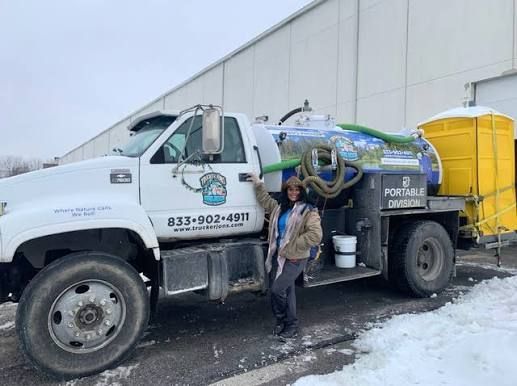
Despite variations in usage, there are industry benchmarks to guide your cleaning routine. For light use, such as a small crew or a weekend party with fewer than ten people, the standard recommendation is to service the unit once per week. Moderate use—say, ten to twenty-five people using the same unit daily—often requires service two to three times per week. Heavy usage, such as concerts, large fairs, or construction sites with more than twenty workers, calls for daily or every-other-day cleanings. Major festivals with thousands of attendees may need multiple cleanings each day to keep facilities fresh.
In my experience, it’s always better to err on the side of caution. If you’re unsure whether to schedule one or two services during a multi-day event, opt for the extra cleaning. This proactive approach prevents waste overflow, odor build‑up, and unsanitary conditions. When planning, consider your provider’s offerings—companies like Portable Restroom Rentals and Premium Portable Restroom Rentals can tailor service schedules to match your needs, ensuring the units are pumped, sanitized, and restocked precisely when required.
Recommended Cleaning Frequency by Usage Level
- Light use (1–10 people, occasional): Service once per week
- Moderate use (10–25 people, daily): Service 2–3 times per week
- Heavy use (construction sites, concerts, fairs): Service daily or every other day
- Large events or festivals (thousands of attendees): Service multiple times per day
These guidelines provide a general baseline. Actual cleaning frequency should always be adjusted based on real-time usage, weather conditions, and event duration.
How Long Will a Porta Potty Last for One Person?
A question I often hear is how long a single portable toilet will last if only one person is using it. A standard unit typically holds about 60–70 gallons of waste, designed for around 150–200 uses before needing a pump-out. For a single individual, this capacity could theoretically last several weeks, but other factors come into play. Even minimal usage can lead to unpleasant odors if the unit isn’t ventilated and treated with deodorizing chemicals. Temperature swings, particularly in hot climates, can shorten the time between cleanings as heat accelerates waste breakdown and odor generation.
Practical considerations also matter. If the unit doubles as a handwashing station or includes a sink, the freshwater and soap dispensers will need replenishing sooner than the waste tank fills. It’s wise to schedule a weekly service for one-person use, even if the tank isn’t full, to keep conditions hygienic. Those interested in higher-end options, such as Premium Portable Restroom Rentals, may find features like flushing mechanisms and larger tanks that extend the interval between cleanings while providing a more comfortable experience.
What Are the OSHA Rules for Porta Potty?
In work environments, particularly construction sites, portable toilets must adhere to Occupational Safety and Health Administration (OSHA) standards. OSHA mandates at least one portable restroom per twenty workers for a 40‑hour workweek, with an additional unit plus urinal for every forty workers beyond that threshold. Facilities must be within a two‑minute walk—roughly 200 yards—from work areas, ensuring easy access during the day. At least five percent of portable toilets must be ADA-compliant, featuring wider doors, grab bars, and ground‑level entry to accommodate workers with disabilities.
OSHA’s sanitation standard doesn’t specify exact cleaning intervals, but it requires employers to maintain toilets in a clean, sanitary, and serviceable condition. For sites with twenty or fewer workers, weekly servicing is the minimum expectation; larger crews may require cleanings every three days or more frequently. Hand‑washing stations with soap or sanitizing gel must accompany portable toilets, and they should be stocked continuously. For a comprehensive breakdown of 2025 guidelines, see this expert summary on OSHA portable restroom requirements, which explains the latest rules in detail.
What Are the Disadvantages of a Portable Toilet?
While portable toilets offer invaluable convenience, they also come with some drawbacks. Odor is the most obvious issue, particularly when units aren’t serviced regularly. Inadequate ventilation can trap smells, and high temperatures make them worse. Limited capacity means frequent pumping if you have a busy event, and overfilled units can become unusable, potentially damaging surfaces or causing spillage during transportation. There’s also the aesthetic and comfort factor—basic porta potties lack the amenities of indoor restrooms, which can deter some users.
Environmental concerns deserve mention too. Without proper maintenance, waste can leak or seep into soil, creating health hazards. Frequent servicing by trusted providers helps mitigate these risks. Choosing higher‑end options, like Premium Portable Restroom Rentals or trailers with flushing toilets and sinks, can improve user satisfaction while still maintaining mobility. Despite their limitations, portable toilets are often the only feasible solution for remote sites, so understanding and managing their disadvantages is key to a positive experience.
Signs Your Portable Toilet Needs Servicing
Knowing when to call for service is crucial. The most obvious sign is a strong, persistent odor that deodorizing chemicals can’t mask. An overflowing or nearly full waste tank is another indicator; a toilet is considered full when waste reaches within six inches of the seat. Clogs or sluggish flush mechanisms suggest it’s time for a pump-out, while low supplies—such as toilet paper, hand sanitizer, or deodorizer—signal a need for restocking. Any visible damage, such as broken doors, cracked seats, or malfunctioning locks, should also prompt immediate attention.
Regular inspections help catch these issues early. Assign a staff member to check the units throughout the day during events or ask your service provider to include inspection in their routine. Educate users on proper disposal of waste—discourage dumping trash or foreign objects into the tank, which can cause clogs. Companies like Other Portable Rental Sanitation Services often offer maintenance packages that include regular inspections and emergency callouts, ensuring units remain usable throughout your event or project.
Best Practices for Portable Toilet Maintenance
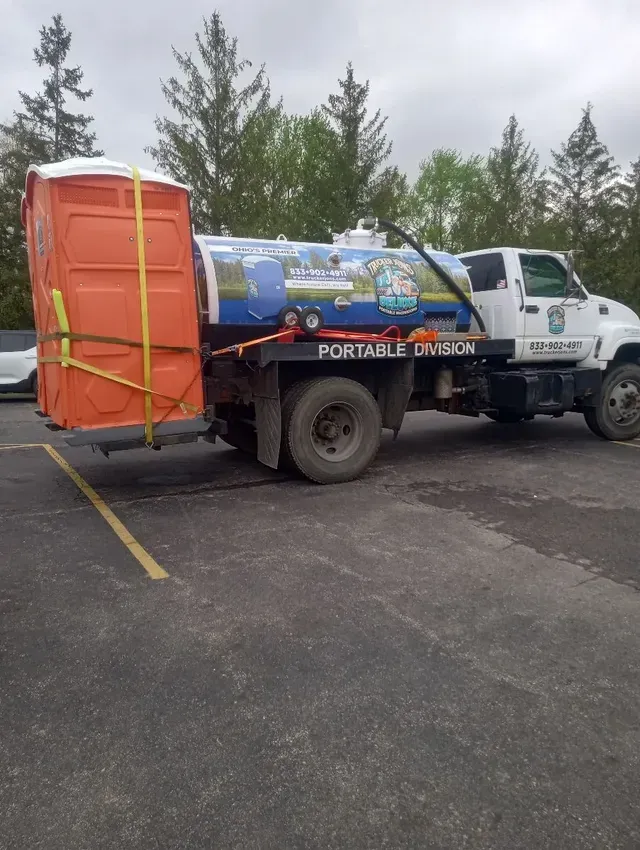
Keeping portable toilets clean requires a combination of professional servicing and on-site diligence. Establish a cleaning schedule based on usage and stick to it—weekly for low traffic, more frequently for busier settings. Professional servicing should include pumping the holding tank, washing and disinfecting interior surfaces (walls, floors, seat), and replenishing supplies. It’s also important to recharge the tank with fresh chemicals to break down waste and control odors.
Between professional cleanings, simple steps can make a big difference. Keep a supply of cleaning materials like mops, microfiber towels, and disinfectants to address spills quickly. Air out the unit during low-traffic times to reduce odors; even thirty minutes can improve ventilation. Focus on high-touch areas—door handles, toilet seats, locks—and wipe them down regularly using an eight-fold method to avoid cross-contamination. For multi-day events, many providers recommend nightly or early-morning cleanings so the restroom is fresh for the day’s activities. Having a reliable partner like Portable Restroom Rentals ensures that maintenance is thorough and timely.
Choosing the Right Portable Restroom Service
Selecting a provider is more than just a matter of cost; it’s about reliability, responsiveness, and equipment quality. Look for companies with transparent maintenance schedules and flexible service plans. Check that units meet industry standards, including ADA compliance, sturdy materials, and adequate tank capacity. Ask about emergency services—will they respond quickly if a unit becomes unusable mid-event? The best providers will tailor their services to your needs, whether you require basic units, luxury trailers, or specialized models for high-rise construction.
It’s also wise to consider additional services such as handwashing stations, showers, and fencing. Integrated services simplify logistics and ensure consistency across all sanitation needs. Reviews and referrals offer insight into a company’s dependability—satisfied clients often highlight prompt responses and clean, well-maintained units. By partnering with trusted providers like those offering Portable Restroom Rentals and Premium Portable Restroom Rentals, you can ensure a seamless experience for your attendees or workers.
Specialized Needs for Construction Sites
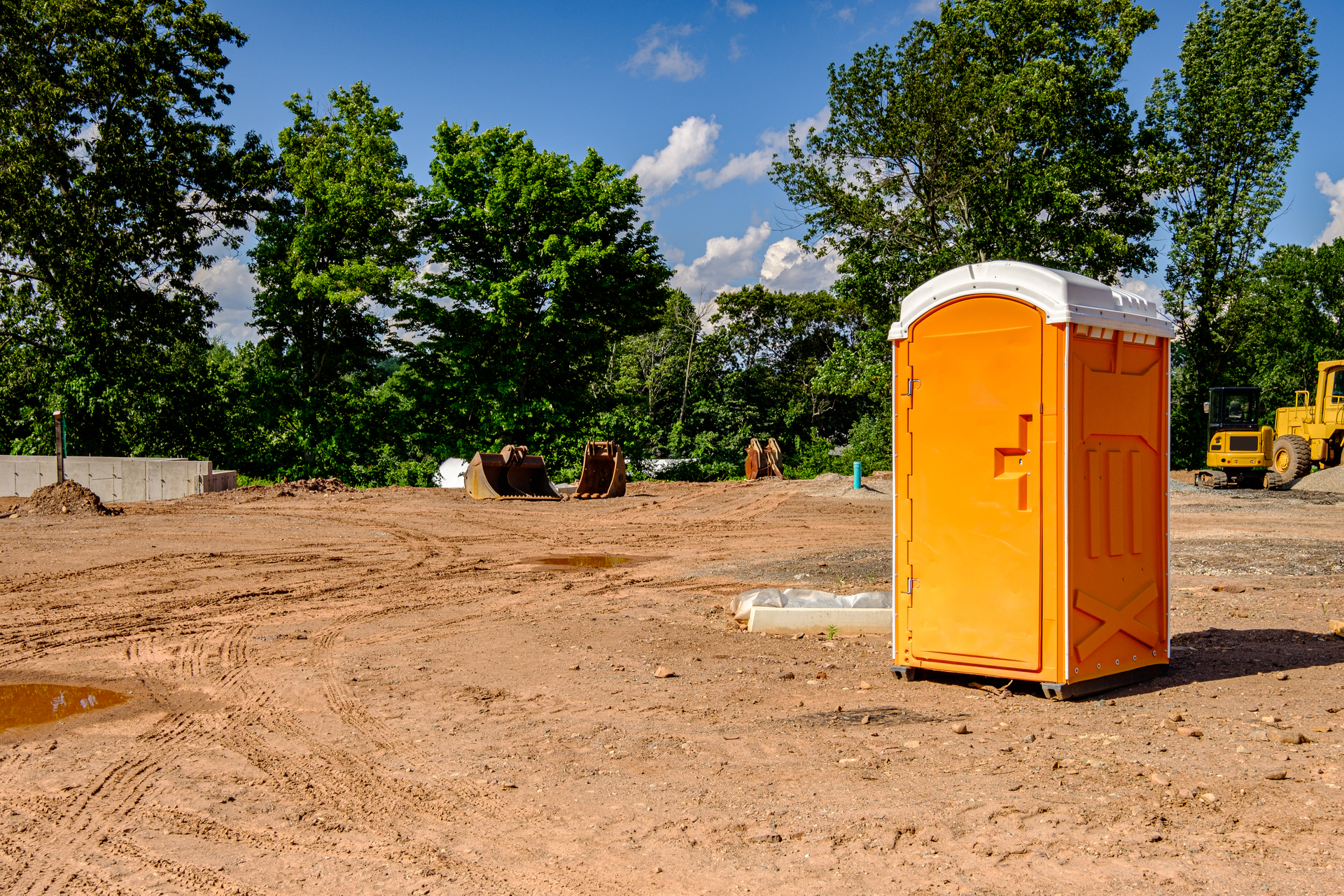
Construction sites pose unique challenges for portable sanitation. Heavy equipment, dust, and long hours demand durable units and strict adherence to OSHA guidelines. Typically, you should plan for one restroom per ten workers and schedule at least weekly service; adjust frequency based on crew size, weather conditions, and workload. Some rental companies provide crane-liftable units or high-rise models designed for multi-story projects, ensuring easy placement and relocation as the site evolves.
The article How Often Does a Porta Potty Get Serviced at a Construction Site? underscores that larger crews or extreme weather might necessitate twice-weekly or even daily servicing. Monitoring usage and keeping an open dialogue with your provider helps adapt the schedule to prevent sanitation issues. Construction sites also benefit from handwashing stations and separate restrooms for male and female workers when possible, boosting morale and compliance. By investing in quality units and proactive servicing, site managers protect both worker health and project timelines.
The Bottom Line
Portable toilets are an essential part of modern events and work sites, and their effectiveness hinges on proper maintenance. A consistent cleaning schedule tailored to usage, climate, and event type prevents unpleasant odors, overflows, and health hazards. Understanding OSHA rules ensures compliance and safety, while recognizing the limitations of portable units helps manage expectations. Choosing a reputable provider and adopting best practices like regular inspections and on-site cleaning can transform these humble units into a positive part of any experience.
If you plan an outdoor event, manage a job site, or organize a large gathering, take the time to assess your sanitation needs. Work with reliable services such as Portable Restroom Rentals, Premium Portable Restroom Rentals, and Other Portable Rental Sanitation Services to design a maintenance plan that keeps everyone comfortable and healthy. With thoughtful planning and responsive servicing, portable toilets will do their job quietly, letting guests and workers focus on what matters most.