Can I provide my own porta potty?
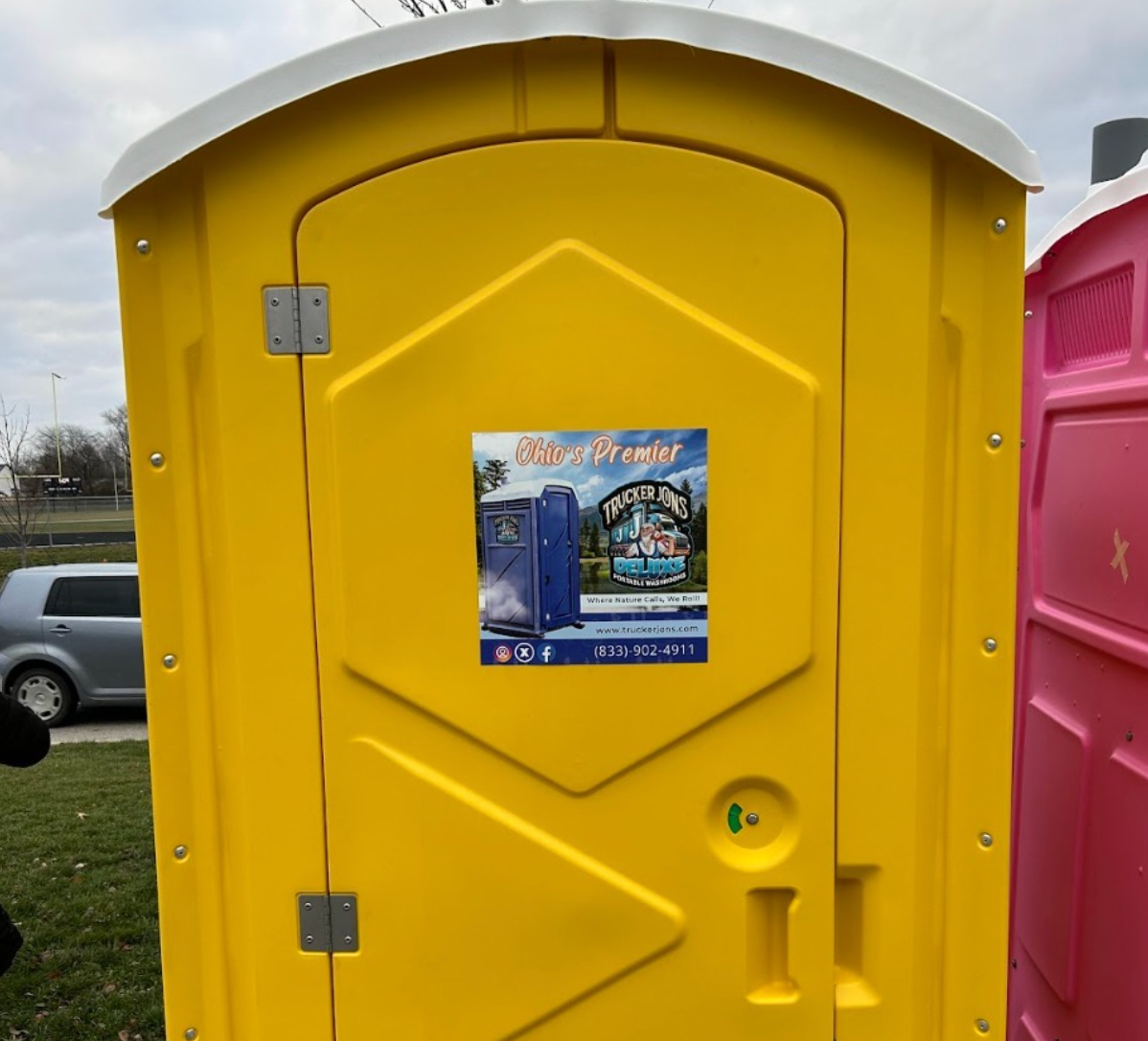
Placing a portable restroom on your own property may seem unusual, but it’s now common at backyard parties, home renovations and other outdoor gatherings. Rather than sending guests indoors, a porta potty keeps foot traffic outside and reduces strain on your plumbing. With thoughtful placement and planning it can even enhance the comfort of your event. This guide explores the basics, legal requirements, placement tips and cost considerations so you can decide whether providing your own porta potty is right for you.
Can I provide my own porta potty? Understanding the basics
Providing your own porta potty generally means renting a unit for temporary use on private land. Rental companies deliver, maintain and remove the unit, handling most regulatory hurdles for you. You can also buy a portable toilet, but ownership brings additional responsibilities—cleaning, pumping and storage become your job. Standard single‑stall units cost under a thousand dollars new, while deluxe or ADA‑compliant models and trailers cost more. For occasional events, renting from Portable Restroom Rentals or Premium Portable Restroom Rentals offers convenience without long‑term expense. If your property hosts frequent gatherings or serves workers regularly, ownership might be worthwhile, but you should budget for regular pumping and supplies.
Is it legal to have a porta potty in your backyard?
In most jurisdictions it is legal to place a porta potty on private property for short periods. Local governments usually allow temporary units for events or remodeling projects provided you follow setback rules and keep the unit clean. Many communities recommend situating the unit several feet from property lines and keeping it well away from wells, lakes or streams. Some neighborhoods ask that you shield it from public view and limit how long it can stay, often a few days for parties and a month for renovations. Always check with your local building department or homeowners’ association, and review the detailed discussion in Is it legal to have a porta potty in your backyard? for additional context.
Do I need a permit for a porta potty?
Whether you need a permit depends on location and duration. Private events on your own land usually do not require permits if the unit is removed quickly. Permits are generally needed when units are placed on public property, used for large events or kept on‑site for long construction jobs. If a permit is required, you’ll file a simple application and pay a small fee. Skipping this step can lead to fines or forced removal. Many rental providers assist with permitting and can guide you through local requirements.
Can I provide my own porta potty? Placement guidelines and best practices
Careful placement ensures your portable restroom is convenient, safe and discreet. Keep the unit well away from your house and any water sources—most guidelines suggest at least twenty‑five feet from your home and fifty feet from wells or streams. Leave several feet of clearance from property lines, secure the unit against a wall or fence and position the door so it doesn’t face neighbors. Pump trucks need to get within thirty feet to service the unit. During events, place it far enough from food stations to avoid odors and, if possible, provide shade or place it downwind for comfort. A quick reference table helps summarize these guidelines:
- Property lines: At least 8 ft away
- House setback: At least 25 ft away
- Water sources: At least 50 ft away
- Service access: Within 30 ft of a hard surface
- Food/drink stations: 10–25 ft away
Selecting the right portable restroom for your needs
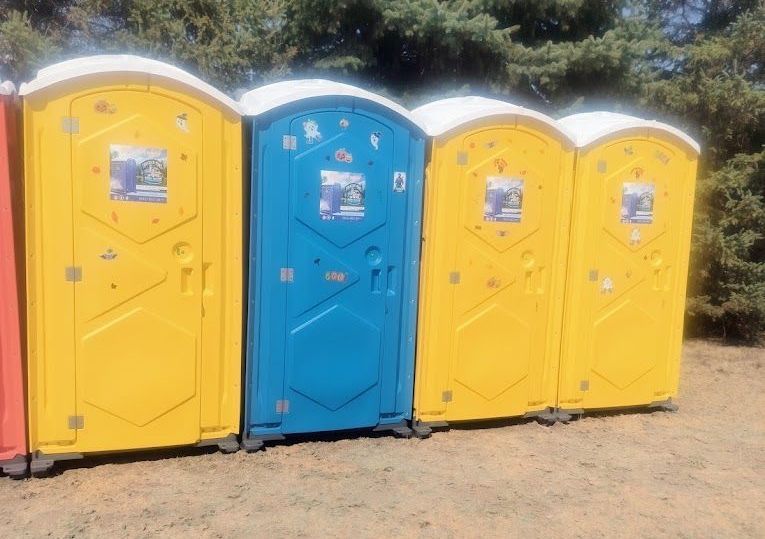
Portable restrooms come in several tiers. Standard units provide basic facilities and suit small gatherings. Deluxe models include sinks and better ventilation, while ADA‑compliant units feature wider doors and grab bars. Luxury trailers add running water, climate control and upscale finishes. Choose based on guest count, event duration and the impression you want to make. Renting from Other Portable Rental Sanitation Services allows you to mix unit types without investing thousands upfront.
Common situations for renting a porta potty
Many homeowners and planners rent porta potties for a variety of reasons. Backyard weddings and family reunions can overwhelm your home’s bathroom capacity, so having a dedicated unit outside keeps guests comfortable and prevents wear and tear on your indoor plumbing. Seasonal parties and neighborhood barbecues also benefit from extra restrooms.
Temporary restrooms are equally valuable during home renovations. When your primary bathroom is out of service, a portable toilet provides a clean alternative for family members and workers. Portable sanitation is often required on construction sites, and the ANSI portable sanitation regulations outline how many units you need and how to keep them clean and accessible. Following such guidelines shows respect for safety and comfort.
Even smaller gatherings can benefit from a porta potty. Children’s birthday parties, holiday celebrations and sports tournaments bring lots of people who might otherwise crowd your indoor facilities. Placing an outdoor restroom near the festivities lets guests return to the fun quickly. If alcohol is served or the event lasts several hours, consider renting more than one unit to reduce lines and maintain hygiene. A little planning goes a long way in making your event run smoothly.
How much does a porta potty owner make?
Owning a single porta potty doesn’t generate income; it simply keeps your indoor bathroom cleaner. Profits come from running a rental fleet. Analysts estimate portable toilet rental companies can earn tens of thousands annually, but start‑up costs are high and operations complex. Even a home‑use unit incurs delivery and weekly pumping fees. For most homeowners, renting from Premium Portable Restroom Rentals makes more financial sense.
Can I build my own porta potty?
Building a portable toilet yourself is more complex than it sounds. Regulations govern nonwater‑carried waste systems; Oregon, for example, requires portable toilets to be pumped by a licensed service and kept far from water sources. Maintaining a DIY unit that complies with these rules is difficult, and improper disposal can contaminate soil and groundwater. Purpose‑built porta potties are leak‑proof, durable and include access to licensed pumping. Renting or buying from Other Portable Rental Sanitation Services is safer and usually cheaper than building your own.
Privacy, aesthetics and maintenance
Portable toilets don’t have to be eyesores. Tall shrubs, decorative fences or lattice screens can hide the unit. Integrating it with a garden shed or choosing a luxury model with wood finishes and lighting elevates the look. Schedule regular pumping, supply sanitizer and add lighting to keep the area clean and safe. Professional services handle these tasks so you can focus on hosting.
When to rent versus own: balancing convenience and compliance
Renting suits occasional parties, short remodels or one‑time gatherings. Standard units typically cost less than a hundred dollars per month and include delivery, servicing and removal. Rental providers help you meet local rules without extra hassle. Buying only makes sense when you need a portable toilet regularly, such as on a farm or remote property, and you’re willing to handle pumping and compliance. In most cases, partnering with
Premium Portable Restroom Rentals or
Portable Restroom Rentals gives you peace of mind, professional service and a sanitary solution.