What is the average cost to buy a porta potty?
What is the average cost to buy a porta potty?
Portable restrooms often go unnoticed until you need one. From sprawling construction sites and busy farms to music festivals and family reunions, these standalone facilities keep workers and guests comfortable. Yet for anyone thinking about owning one, the big question is what is the average cost to buy a porta potty? While renting a unit from a sanitation company like Portable Restroom Rentals can be simple, buying becomes attractive when you need reliable facilities on a regular basis. This guide explains how much you can expect to pay and what factors influence pricing so you can choose confidently.

Understanding Porta Potty Pricing: Standard, Deluxe, ADA & Trailers
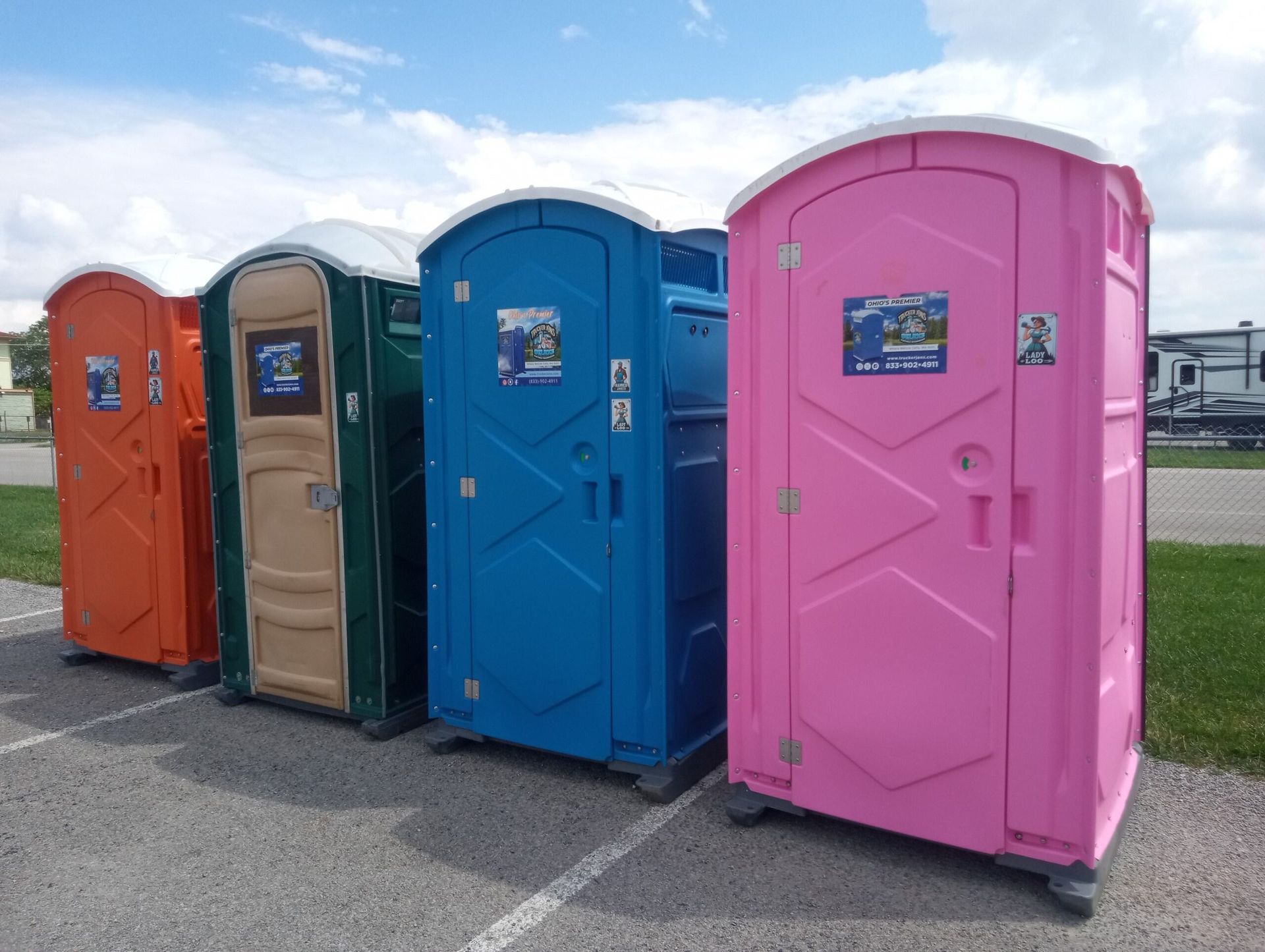
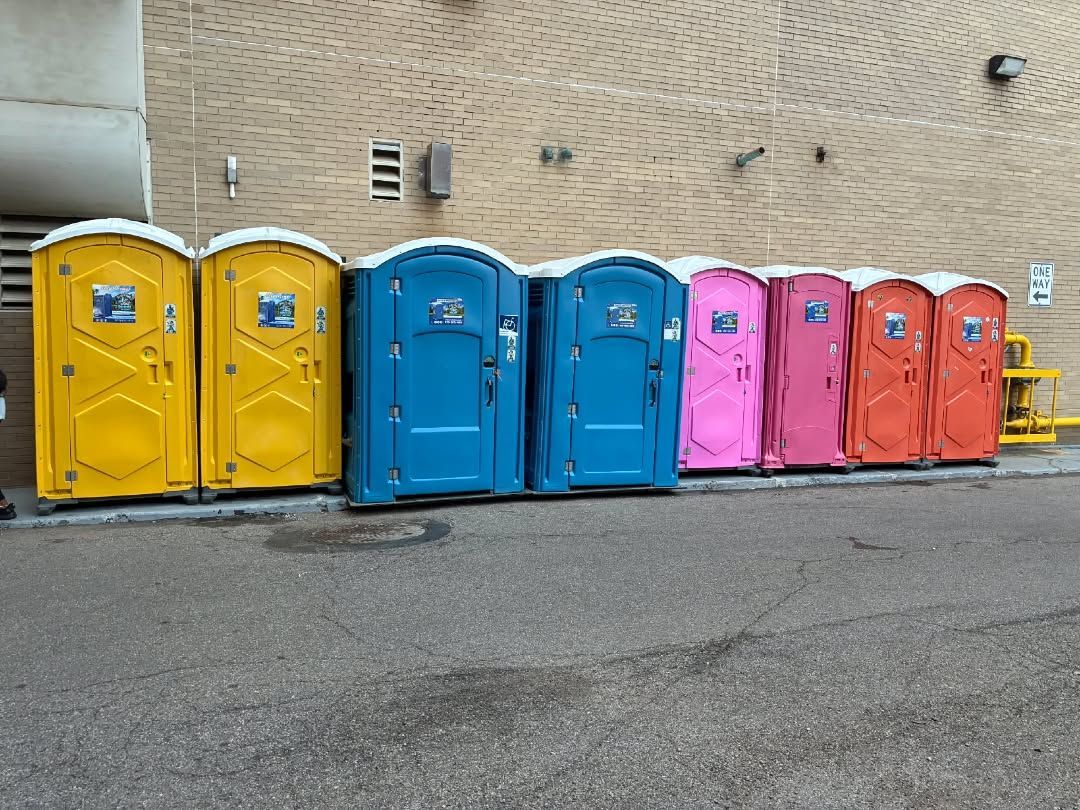
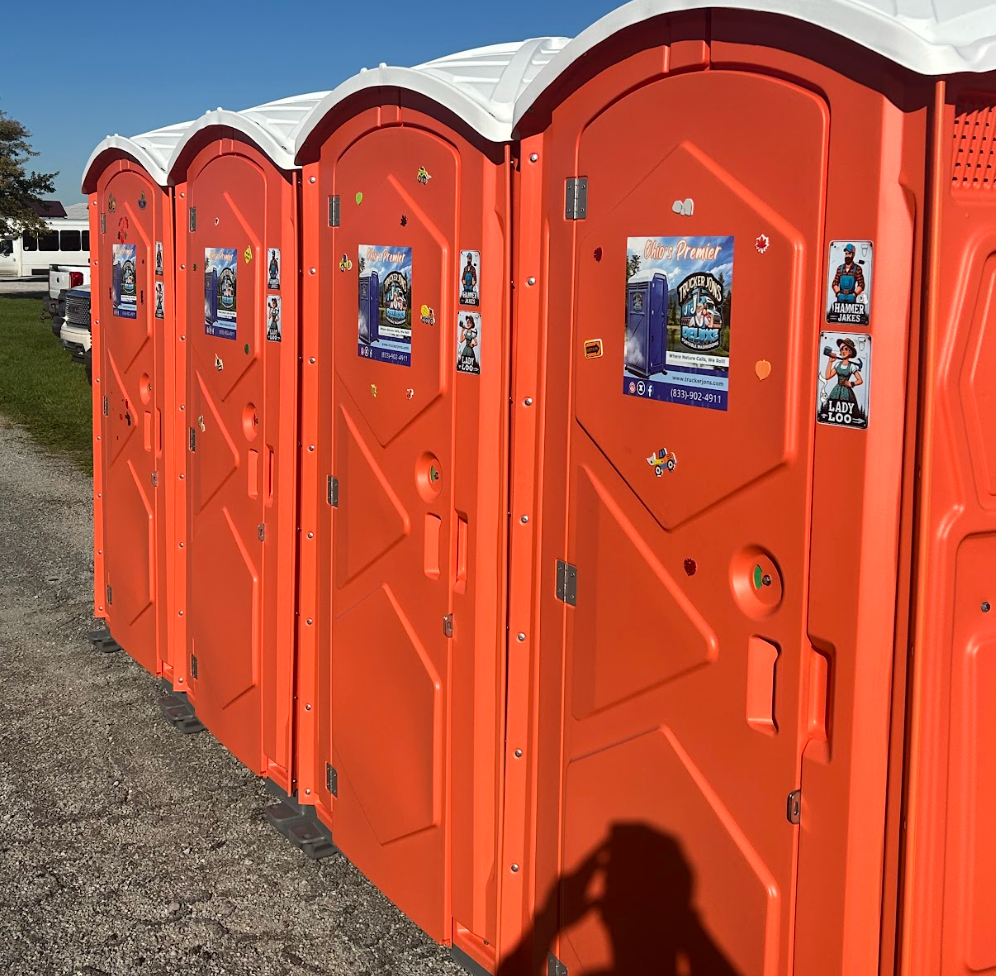
Portable toilets are not one‑size‑fits‑all. Standard single‑stall units are the most common on work sites and at community events, and they typically cost about $700–$1,000 when purchased new. Used models can sometimes be found for $300–$400, though you should inspect them for wear before committing. Stepping up to deluxe or ADA‑compliant units, which provide extra room, handwashing stations or wheelchair access, can push the purchase price closer to $2,000–$3,000. On construction projects where mobility matters, high‑rise units with crane lift points or rolling bases cost roughly the same as deluxe models, while the average standard unit falls near $900–$1,200 when you consider multiple manufacturers’ pricing.
Multi‑stall restroom trailers serve a different market. Basic two‑stall trailers start around $10,000–$30,000, while high‑end trailers with climate control, running water, lighting, and upscale finishes can cost $80,000–$100,000 or more. ADA‑compliant trailer models often exceed $75,000 because they include ramps, extra interior space, and specialized fixtures. Because the purchase price climbs quickly, many event planners choose Premium Portable Restroom Rentals for short‑term use.
A quick overview of typical purchase prices:
- Standard single-stall unit: $700 – $1,000
- Used single-stall unit: $300 – $400
- Deluxe / ADA-compliant unit: $2,000 – $3,000
- High-rise or rolling unit: $900 – $1,500
- Basic trailer (2–3 stalls): $10,000 – $30,000
- Luxury trailer (5+ stalls): $80,000 – $100,000+
These price ranges give you a baseline. Actual costs depend on features, delivery and vendor, so it’s smart to request quotes from multiple suppliers.
Key Factors Affecting the Cost of a Porta Potty
Why do two portable restrooms that look similar cost different amounts? Several variables drive the price. Size and capacity play a primary role: larger tanks and more interior space require more materials and engineering. Amenities such as flushing mechanisms, sinks with running water, mirrors and shelving add to the cost, as do special features like winterization packages or solar lighting. Accessibility is another factor; units designed to meet ADA standards must offer extra room and ramp systems, which raises manufacturing costs. Brand and material quality also influence price—heavy‑duty plastics and anti‑graffiti coatings are more expensive but can extend the unit’s lifespan. Finally, geography matters; units sold in remote areas may carry higher delivery fees or be subject to limited supply. When you compare options through Portable Restroom Rentals, ask about these variables to understand what you’re paying for.
How much does it cost to put a porta potty on your property?
Putting a porta potty on your property involves more than just buying the unit. You’ll also need to factor in delivery and setup fees, which vary based on distance and ease of access. A standard delivery might cost anywhere from $50 to $150, while remote or difficult sites may incur higher charges. Once the unit is in place, service costs become part of the total outlay. If you own the unit, you are responsible for routine pumping, cleaning, and restocking supplies. Some owners opt to hire a sanitation company to handle these tasks on a weekly or bi‑weekly schedule. In addition, certain municipalities require permits for long‑term placement or stipulate setbacks from property lines, which could entail inspection fees. For short‑term events, renting from Portable Restroom Rentals or Premium Portable Restroom Rentals often proves more economical because service, cleaning and removal are bundled into one price.
Is owning a porta potty profitable?
Entrepreneurs sometimes purchase porta potties with plans to rent them out. According to industry analysis, a portable toilet rental business can earn $50,000 to $150,000 per year in profits depending on location, fleet size and operational efficiency. However, startup costs—including toilets, trucks, permits, insurance and staffing—can range from $160,000 to $350,000. Profitability hinges on keeping units in constant rotation, optimizing delivery routes and offering add‑on services like handwashing stations or luxury trailers. If you already have reliable customers or operate in an area with frequent construction or events, owning a fleet may be lucrative. On the other hand, purchasing a single porta potty for personal use won’t generate income; instead, it becomes a convenience investment. When evaluating profitability, compare your potential revenue to the cost of acquiring and maintaining each unit, and consider outsourcing some inventory through Other Portable Rental Sanitation Services if demand fluctuates.
Can you buy your own porta potty?
Yes—anyone can purchase a porta potty, and doing so is straightforward. Many manufacturers sell directly to consumers, and suppliers like FenceLine Rentals list new units at around $1,827. Buying a unit means you’ll always have it on hand for camping trips, backyard parties or DIY projects. Before purchasing, decide between new and used: new units offer pristine condition, longer lifespan and warranties, while used units are cheaper but may have more wear. Ask the seller about the unit’s age, repairs and any cracks or odor issues. Also, plan for storage when the unit isn’t in use—it needs a flat, ventilated area protected from extreme temperatures. For occasional use, renting from Portable Restroom Rentals might be more practical, but if you host frequent gatherings or manage ongoing projects, owning a unit could save money in the long run.
How long will a porta potty last for one person?
A well‑built porta potty can endure years of service, even with regular use. Manufacturers generally estimate a lifespan of five to ten years, but this depends on frequency of use, exposure to the elements and how diligently the unit is maintained. When used by a single person at a cabin or job site, the waste tank will fill slowly, so servicing every few weeks may be sufficient. Regular cleaning—including pumping out waste, refilling deodorizer and disinfecting surfaces—prevents odors and extends the life of seals and plastics. If the user keeps the door closed and avoids storing heavy items inside, components like the latch and hinges can last longer. Ultimately, a single owner who performs routine maintenance can expect many years of trouble‑free operation. If wear becomes excessive or parts crack, replacements are available from companies that specialize in Other Portable Rental Sanitation Services.
Renting vs. Buying: Which is Right for You?
Your decision to rent or buy hinges on how often you need the facility and what level of convenience you want. Purchasing provides control over when and where the unit is deployed; it eliminates recurring rental bills and can pay off if you use the unit dozens of times per year. It is ideal for contractors with multiple job sites or property owners who host regular events. However, you must handle cleaning, maintenance and compliance yourself. Renting, by contrast, offers simplicity—delivery, setup, pumping and pickup are included. Rentals typically cost $75–$150 per day or about $133 on average for basic models, while deluxe trailers command higher rates. If you only need a restroom for a day or two, renting is often cheaper than buying, especially when you account for service fees. For example, if you’re curious about short‑term rentals, this guide on How much does it cost to rent a porta potty for 5 hours? breaks down hourly pricing and service options. The flexibility of rentals through Portable Restroom Rentals means you can upgrade to deluxe units or trailers as your event needs evolve without a large investment.
Add‑ons and Upgrades: Customizing Your Porta Potty
Modern porta potties have come a long way from bare‑bones plastic booths. Standard units can be upgraded with sinks, hand sanitizer dispensers, shelves, coat hooks and mirrors for added convenience. Foot‑operated flush systems, recirculating water pumps and solar‑powered lights give users a more comfortable experience. Cold‑weather packages incorporate antifreeze in holding tanks and insulation to keep units functional during winter months. Luxury models feature climate control, designer lighting, premium finishes and even sound systems, making them suitable for weddings or VIP events. These extras come at a cost—each sink or shelving unit adds a few hundred dollars, while climate‑controlled trailers can add tens of thousands. When you explore Premium Portable Restroom Rentals or purchase options, think about your guests’ expectations and the environment in which the unit will be used. Sometimes a small investment in upgrades dramatically enhances user satisfaction.
Conclusion: Making the Right Choice for Your Needs
Investing in a porta potty involves weighing convenience, frequency of use and financial considerations.
The average cost to buy a porta potty falls around
$900–$1,200 for a standard unit, with deluxe and ADA models ranging up to
$3,000 and trailer restrooms spanning
$10,000 to over $100,000. Prices fluctuate based on size, features, accessibility and market conditions, so obtaining quotes from trusted vendors is crucial. If you need a unit occasionally or prefer worry‑free maintenance, renting from
Portable Restroom Rentals or
Other Portable Rental Sanitation Services offers a hassle‑free solution. Owning a unit makes sense when consistent use justifies the upfront cost and you’re prepared to handle regular servicing. Whichever path you choose, understanding your options will ensure that workers, guests and family members always have access to clean, comfortable facilities.