
Can Portable Toilets Be Locked After Hours on a Job Site?
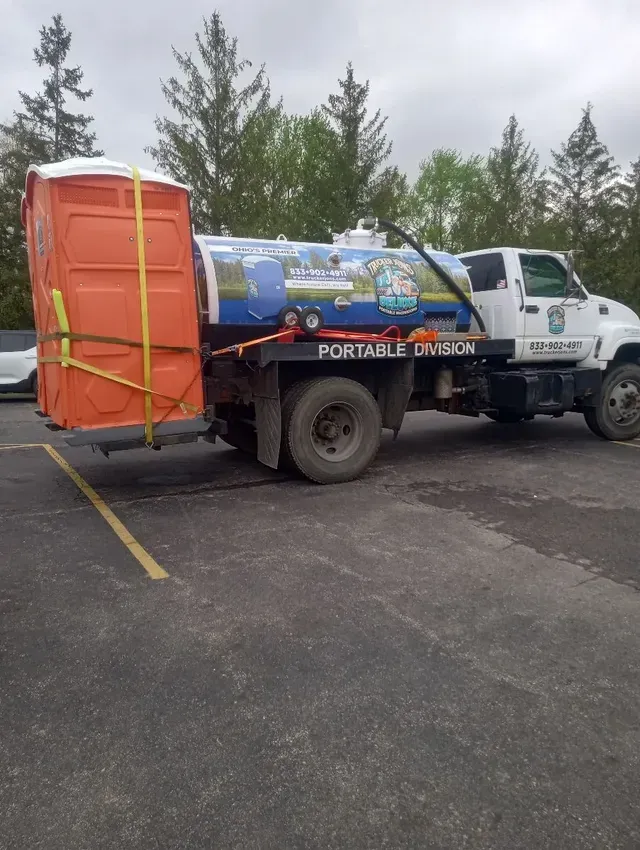
Yes, portable toilets can usually be locked after hours when a job site is closed and no employees are working. Securing them can help prevent vandalism, misuse, and unnecessary servicing. The important line is access: if workers are still on site, required toilets must remain reasonably and promptly available.
For contractors, the issue is not whether a lock exists. It is whether that lock interferes with restroom access during working hours. Good security protects the unit at night without creating a sanitation problem for the crew the next morning.
Can Portable Toilets Be Locked After Hours on a Job Site?
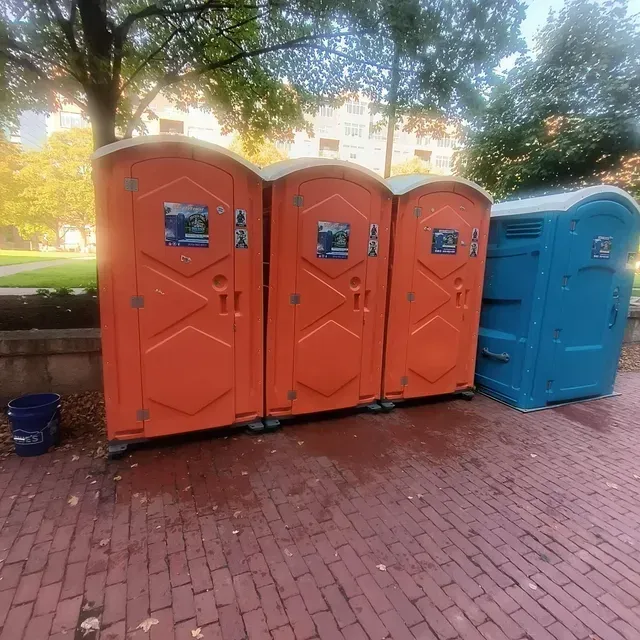
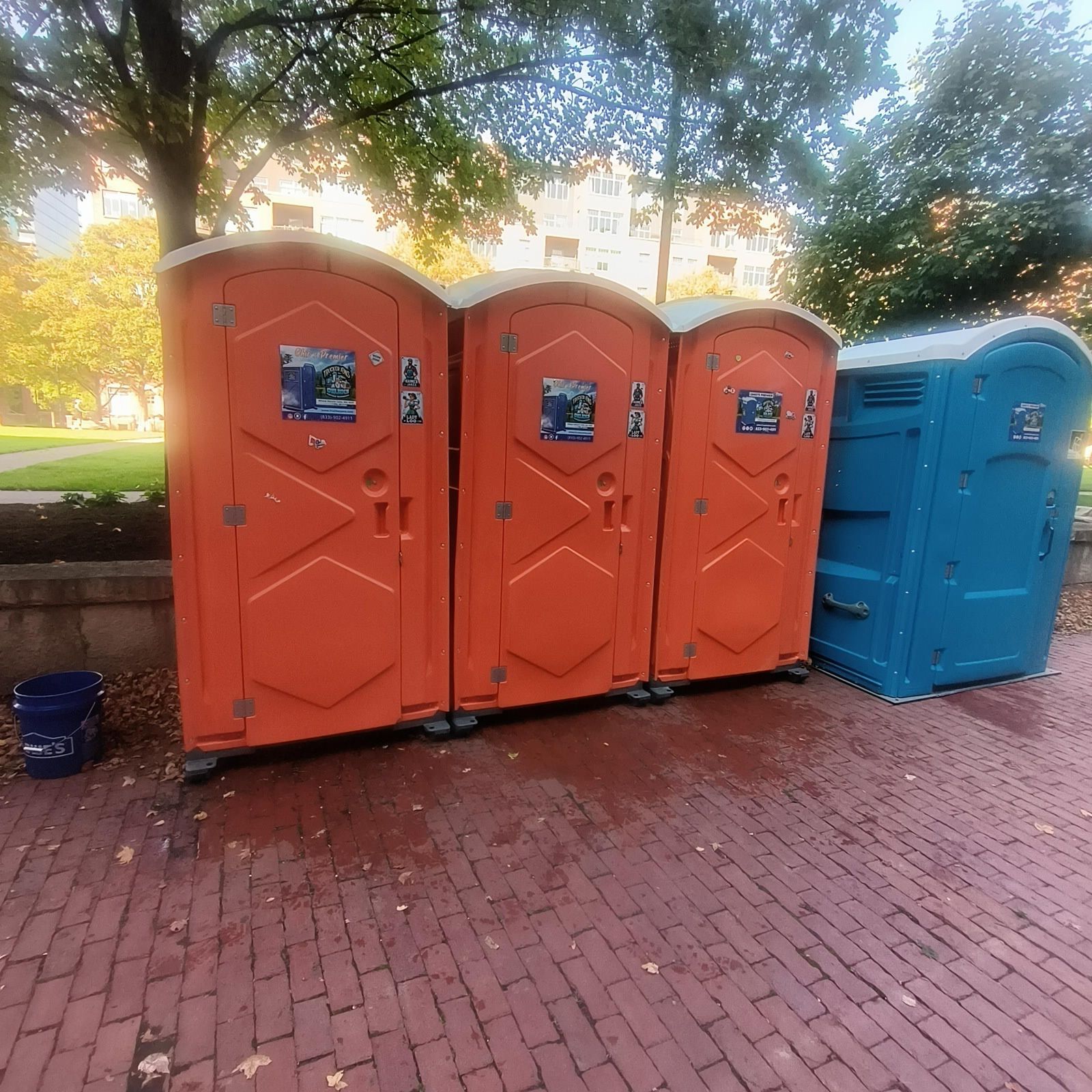
Locking a portable toilet after the final shift can make sense on an unsecured or high-traffic site. A padlock, lockable enclosure, temporary fence, or secured gate can discourage people from entering the unit after workers leave.
Problems start when the same system blocks employees who are still working, arriving early, staying late, or working a second shift. OSHA expects required toilet facilities to be available when workers need them. A locked unit with no practical way to get access can defeat the purpose of providing the toilet.
The simplest approach is to tie restroom security to the actual work schedule. Lock the unit after the site closes and unlock it before the first employee begins work.
Why Would a Contractor Lock a Portable Toilet?
Portable toilets are often placed near roads, sidewalks, subdivisions, retail areas, or other places where people can reach them after the crew leaves. That makes unauthorized use a real concern.
After-hours access can create extra waste, messes, graffiti, damage, or depleted supplies. On a long project, those problems can turn a normal sanitation schedule into repeated service calls.
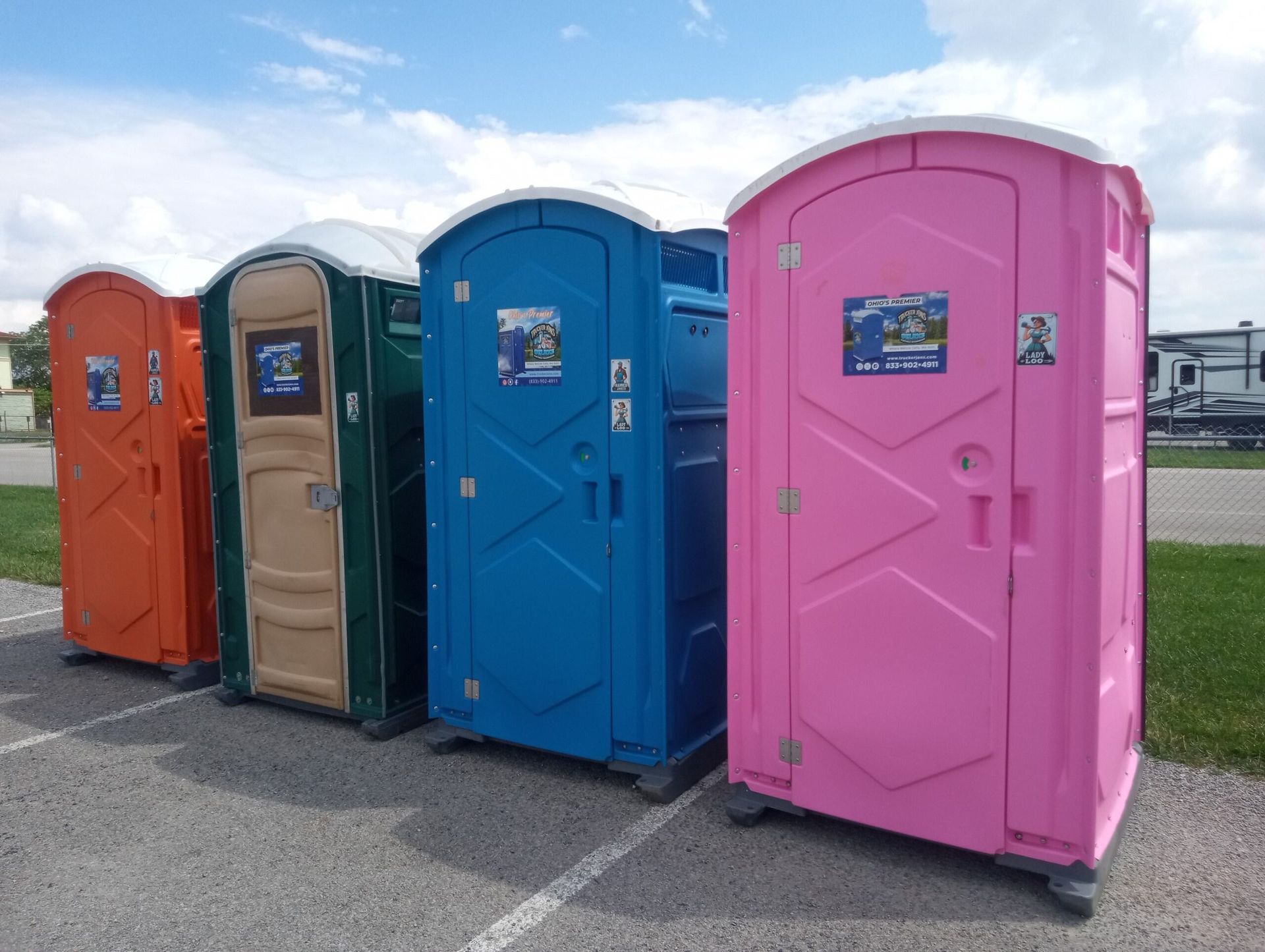
From experience, job sites tend to run more smoothly when managers treat sanitation as part of the setup instead of an afterthought. Construction Site Portable Toilets should be convenient for crews, but they do not have to remain open to the public overnight.
What Is the OSHA Rule for Portable Toilets?
For construction, OSHA's sanitation standard is 29 CFR 1926.51. It requires employers to provide toilets based on the number of employees on the job site.
For 20 or fewer employees, at least one toilet is required. For crews of more than 20, OSHA requires one toilet seat and one urinal per 40 workers. For 200 or more employees, the ratio changes to one toilet seat and one urinal per 50 workers.
Under temporary field conditions, OSHA also requires at least one toilet facility to be available. Chemical toilets are
specifically recognized as an acceptable option on sites without a sanitary sewer, subject to local codes.
For more background on the basic requirement, read Do I legally have to provide a porta potty at a job site?
Is It Illegal to Lock the Bathrooms at Work?
A lock itself is not automatically the problem. Restricting access is.
OSHA states that employers must provide prompt access to toilet facilities and avoid unreasonable restrictions. Its restroom and sanitation guidance specifically discusses locked doors and key systems, explaining that restrictions cannot create extended delays for employees.
That means a contractor can use a reasonable security process, such as a supervisor-held key, if workers can actually access the restroom when needed. If employees have to hunt down a manager, wait a long time, or leave the site because the unit is locked, the arrangement may not meet OSHA's expectations.
After hours is different. If the site is closed and nobody is working, securing the restroom until operations resume is generally a practical security measure. Local rules and project-specific requirements should still be checked.
How Close Does a Porta Potty Have to Be to a Jobsite?
Federal OSHA does not publish a universal rule saying every construction toilet must be exactly 100 feet, 200 feet, or another specific distance from every worker. The focus is whether toilets are provided and whether employees have prompt access.
OSHA interpretations explain that toilets that take too long to reach are not truly available. For mobile crews, OSHA has described prompt access to nearby facilities as generally meaning less than about 10 minutes when transportation is required.
On a conventional construction project, placement should be practical. Avoid locations that force workers across active equipment paths, through restricted areas, or an unreasonable distance from the work zone.
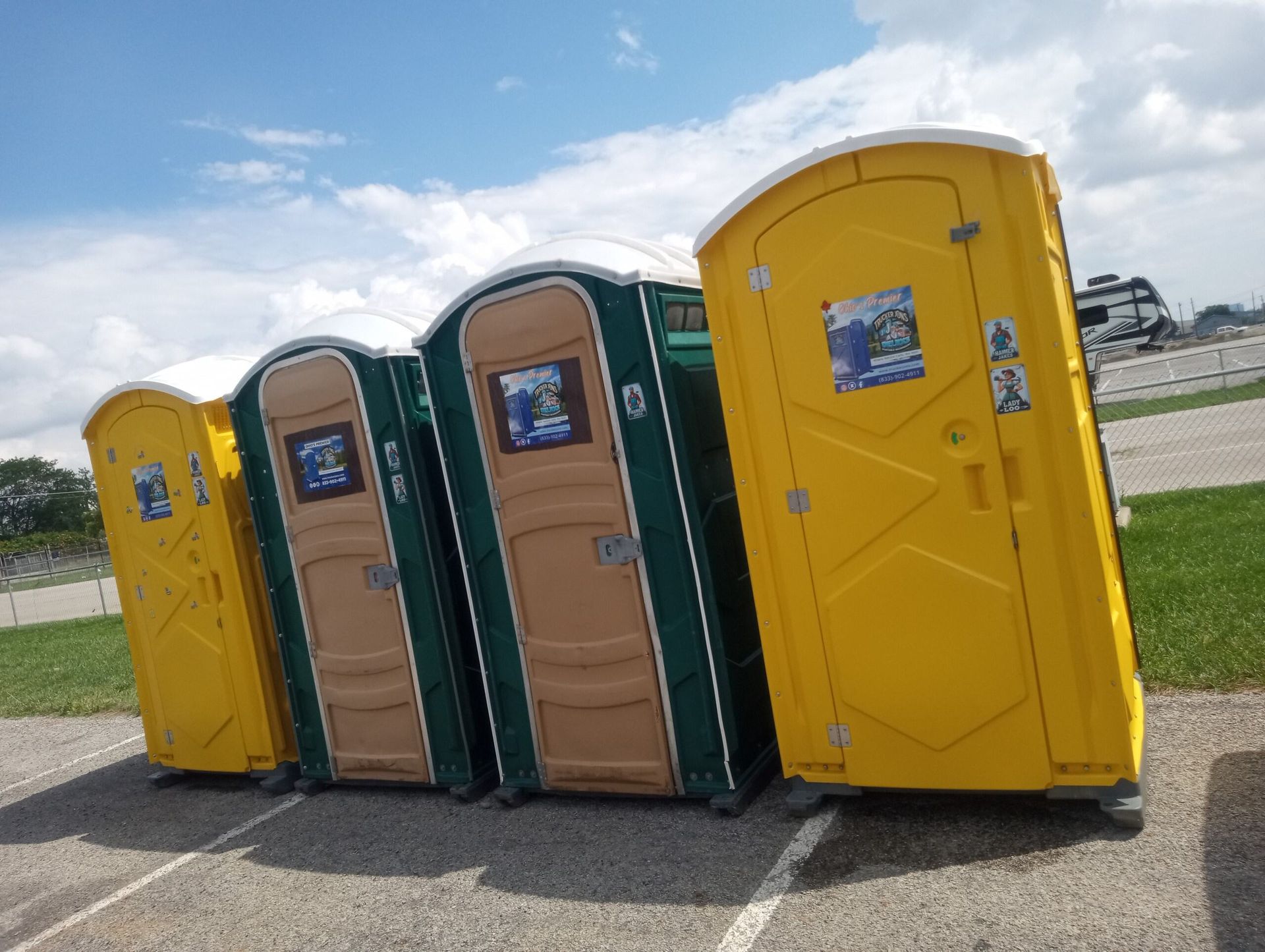
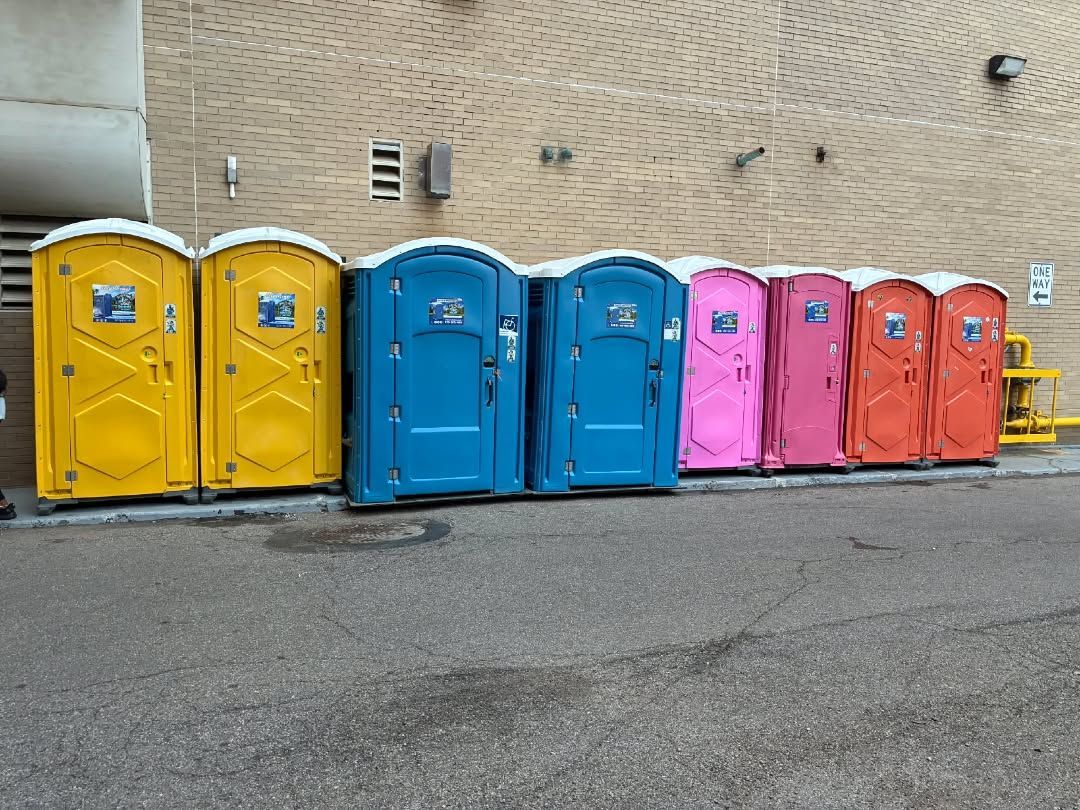
Well-planned Portable Restroom Rentals account for crew size, work areas, delivery access, service access, and the way the site may change as construction progresses.
What Are the OSHA Bathroom Requirements for Construction Sites?
Quantity is only one part of compliance. The restroom also has to function as a usable sanitation facility.
OSHA requires the correct number of toilets and has repeatedly emphasized prompt worker access. Its sanitation rules also address washing facilities where workers may be exposed to harmful contaminants, while OSHA's broader restroom guidance stresses sanitary, accessible facilities.
This is where Job Site Sanitation should be treated as an operating responsibility, not a one-time rental. A toilet that is technically on the property but inaccessible or badly neglected creates avoidable problems.
Regular servicing matters. So does placement. The best setup is one workers can actually use safely and consistently throughout the project.
Is It Legal to Use a Porta Potty on a Construction Site?
Yes. Portable chemical toilets are specifically listed in OSHA's construction sanitation standard as an acceptable toilet facility for job sites without sanitary sewer service, unless a local code prohibits that type of facility.
That makes portable toilets a normal solution for new construction, roofing, remodeling, utility work, road projects, landscaping, and other temporary work areas.
Local requirements can still matter. A city, county, project owner, or site-specific safety plan may impose additional rules.
Contractors should account for those requirements when deciding how many units to rent, where to place them, and whether accessibility features are needed.
When Does Portable Toilet Security Make the Most Sense?
Portable Toilet Security is especially useful on sites with easy public access. Think residential developments, downtown projects, roadside work, vacant lots, and projects near busy pedestrian areas.
The best method depends on the site. Some contractors secure the entire project perimeter. Others place the toilet behind a temporary fence or use a lockable unit and give supervisors access.
The important part is consistency. Someone should be responsible for unlocking the facility before work starts and securing it only after the last crew is finished.
A simple opening and closing checklist can prevent a surprisingly common issue: everyone assumes someone else unlocked the restroom.
What Are the Most Common OSHA Violations on Construction Sites?
Sanitation matters, but contractors also manage much broader safety risks. OSHA's federal construction data for fiscal year 2025 shows more than 26,500 cited standards across roughly 10,800 inspections, with current penalties totaling more than $108 million.
The most frequently cited construction standard was the duty to have fall protection, with more than 6,700 citations. Ladders, fall-protection training, scaffolding requirements, and eye and face protection were also among the most frequently cited construction standards.
That is worth mentioning because good site management is systematic. Contractors have to think about fall protection, access routes, housekeeping, sanitation, and security before problems interfere with the work.
Portable sanitation may be one small part of the job site, but every employee notices when it is not managed well.
How Should You Secure a Portable Toilet Without Blocking Workers?
Start with the work schedule. Know when the first person arrives and when the last person leaves, including subcontractors, overtime workers, weekend crews, and second shifts.
Then choose a security method that matches the site. A perimeter fence may be enough. A separate lock can work too, but only when authorized workers can get access without unreasonable delay.
If multiple shifts use the site, assign access responsibility by shift instead of relying on one superintendent. If the restroom provider needs scheduled service, make sure the service crew can reach the unit too.
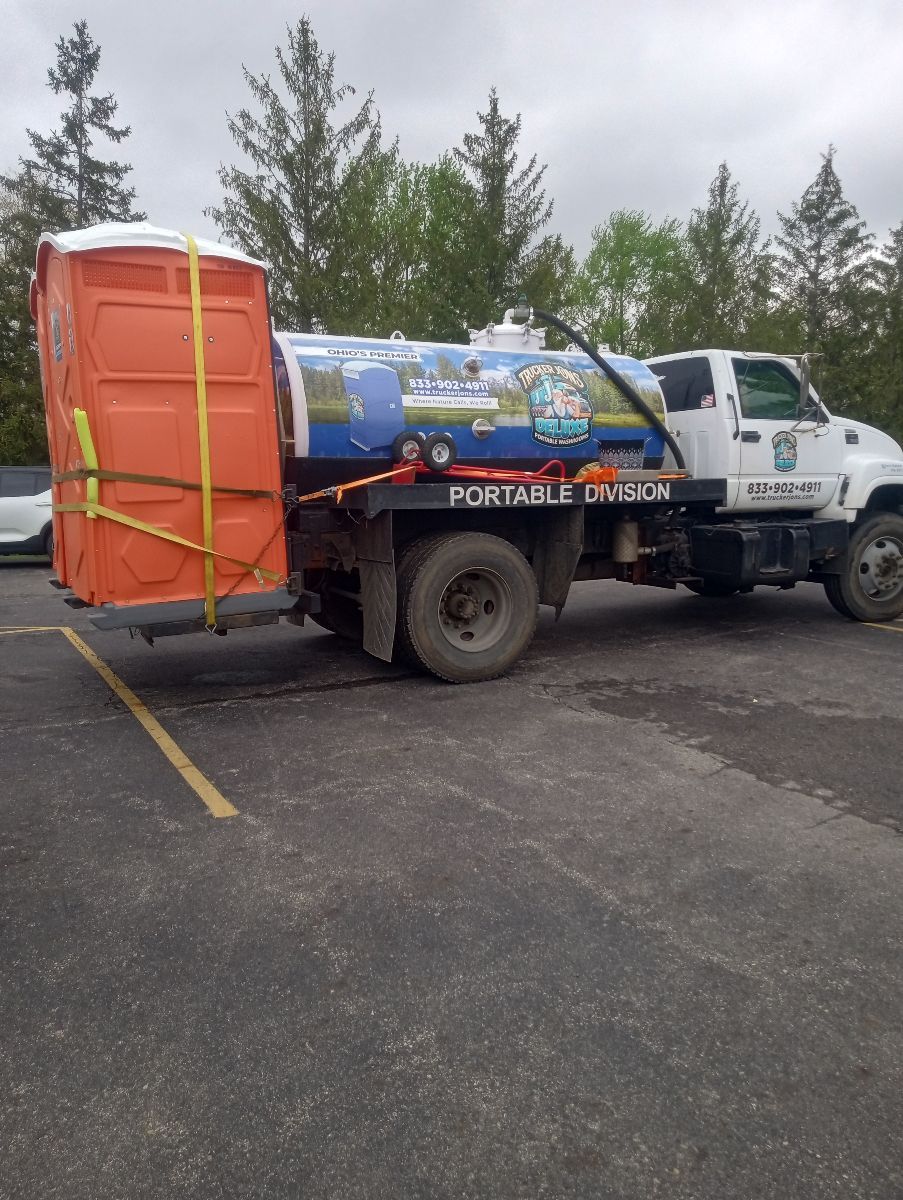
For larger projects, ask your Portable Restroom Rentals provider about placement, service frequency, handwashing options, accessibility, and security before delivery. Small details are much easier to solve before a unit is set.
The Bottom Line on Locking Portable Toilets After Hours
Yes, portable toilets can be secured after hours when the job site is closed. Locking them can protect against unauthorized use and damage, especially on sites that remain accessible to the public.
The rule to remember is simple: security cannot come at the expense of worker access. When employees are working, required restrooms need to be available without unreasonable delays. Build the lock-and-unlock process around actual shift times, and security becomes a useful part of site management instead of another problem to solve.
For Central Ohio projects, planning the right number of units, placement, service schedule, and access setup before delivery can make sanitation much easier to manage.