Where Should Portable Toilets Be Placed on a Construction Site?
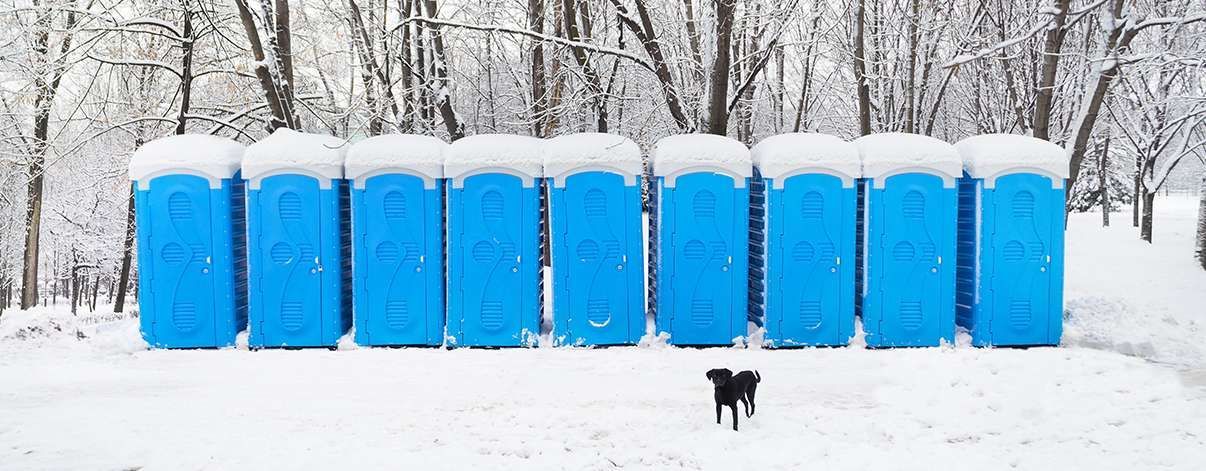
Yes, portable toilets can be used during freezing temperatures, including throughout Ohio's cold winter months. However, they need proper preparation to prevent waste from freezing, maintain sanitary conditions, and keep the units accessible. With cold-weather treatments, regular servicing, and thoughtful placement, portable toilets can remain functional even when temperatures drop below 32°F.
For construction crews, outdoor events, and temporary work locations around Columbus, winter sanitation requires more planning than a typical summer rental. Snow, ice, frozen waste, and difficult service access can create problems if they aren't addressed early. Fortunately, most of these challenges are preventable with a little preparation and a reliable sanitation provider.
Can Portable Toilets Be Used During Freezing Temperatures?
Portable toilets are designed for outdoor use, but freezing temperatures can affect how they function. Unlike traditional indoor bathrooms, most standard porta potties don't have heated plumbing or insulated waste tanks. When temperatures remain below freezing for extended periods, liquid inside the holding tank can begin to freeze without appropriate treatment.
The good news is that portable toilets don't necessarily need electricity or running water to function. That makes them particularly useful for construction sites, outdoor work areas, and remote locations where permanent restrooms aren't available. At Trucker Jon's, we understand that construction projects throughout Central Ohio don't stop when winter arrives. Contractors still need dependable restroom facilities, whether they're building homes in Delaware County or managing commercial projects around Columbus.
The important part is making sure those facilities are prepared for the conditions rather than assuming they'll work the same way they do in July.
How to Keep a Porta Potty From Freezing in the Winter?
Preventing a portable toilet from freezing generally involves treating the holding tank, maintaining regular service, and choosing an appropriate location. While winter weather presents additional challenges, a few straightforward precautions can make a significant difference.
Use Cold-Weather Waste Tank Treatments
Professional portable sanitation providers may use specially formulated winter treatments to lower the freezing point of liquids inside the waste tank. These products help keep the tank contents manageable during freezing conditions, allowing technicians to continue pumping and cleaning the unit.
The appropriate treatment depends on expected temperatures and the type of restroom. Standard automotive antifreeze should never be added without professional guidance because it may contain harmful chemicals and create waste disposal problems.
Maintain a Consistent Cleaning Schedule
Winter weather doesn't eliminate the need for waste removal. In fact, regular servicing becomes particularly important when freezing temperatures complicate pumping and cleaning. A dependable schedule helps prevent excessive waste accumulation and gives technicians opportunities to identify developing problems before they become serious.
Protect the Unit From Wind and Snow
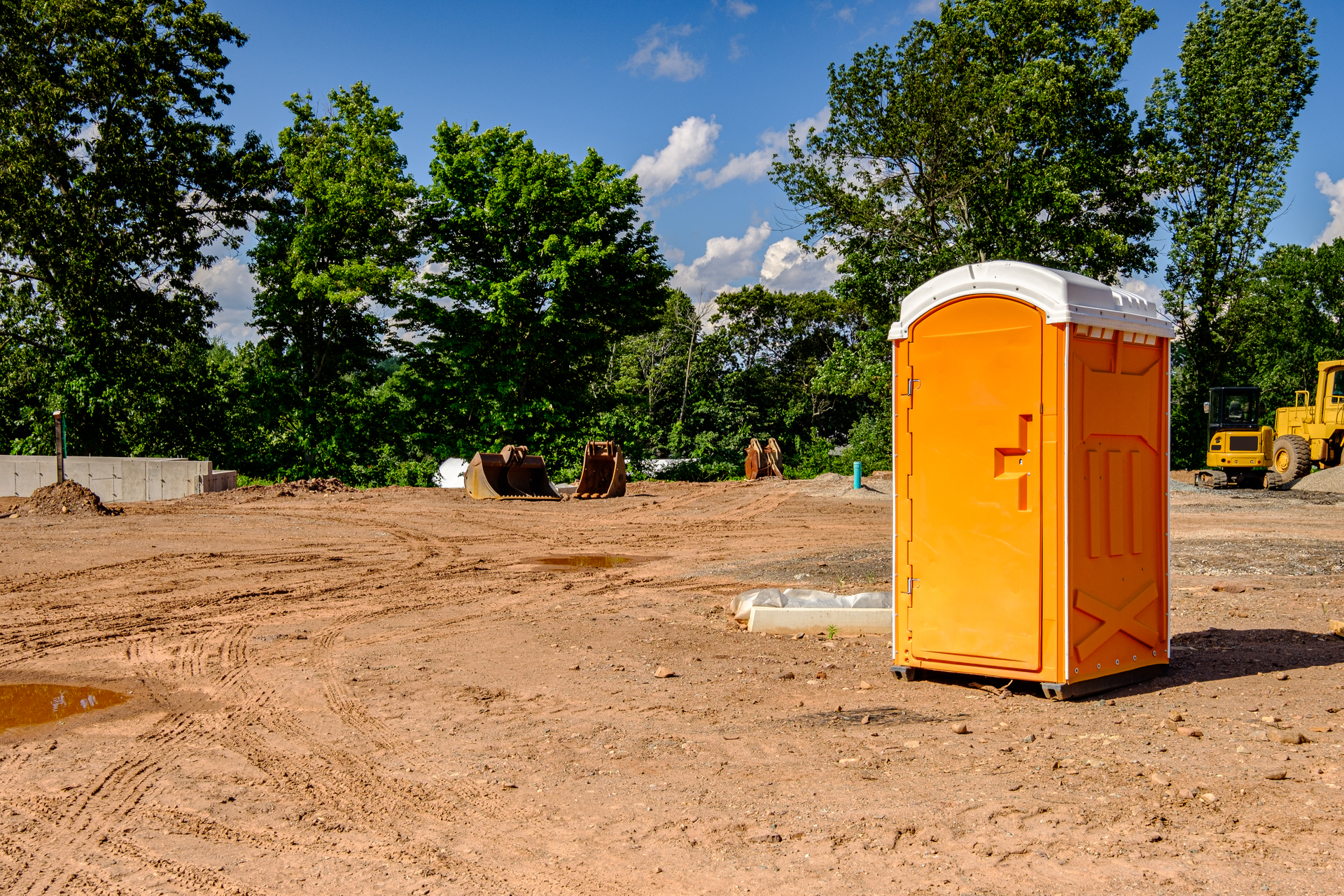
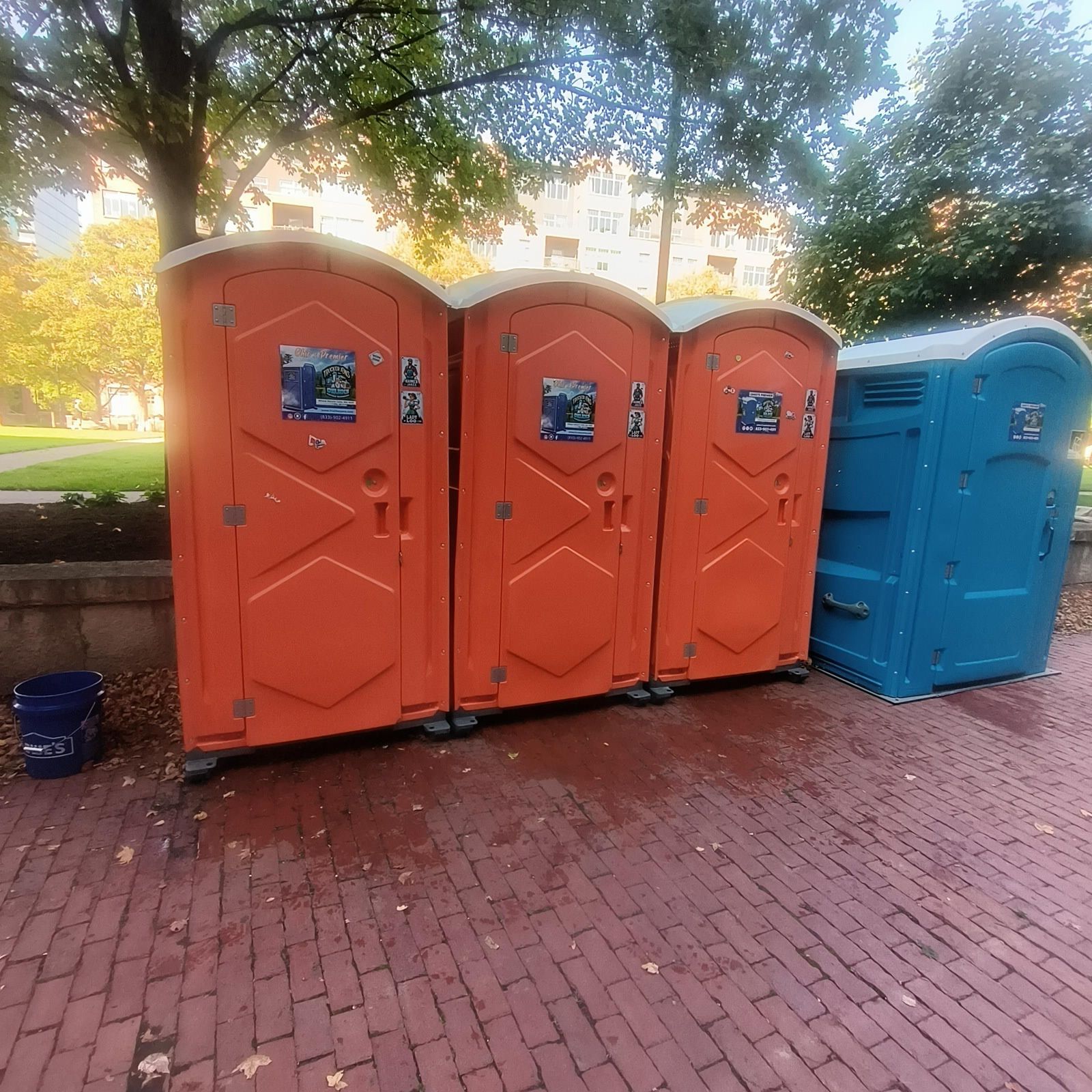
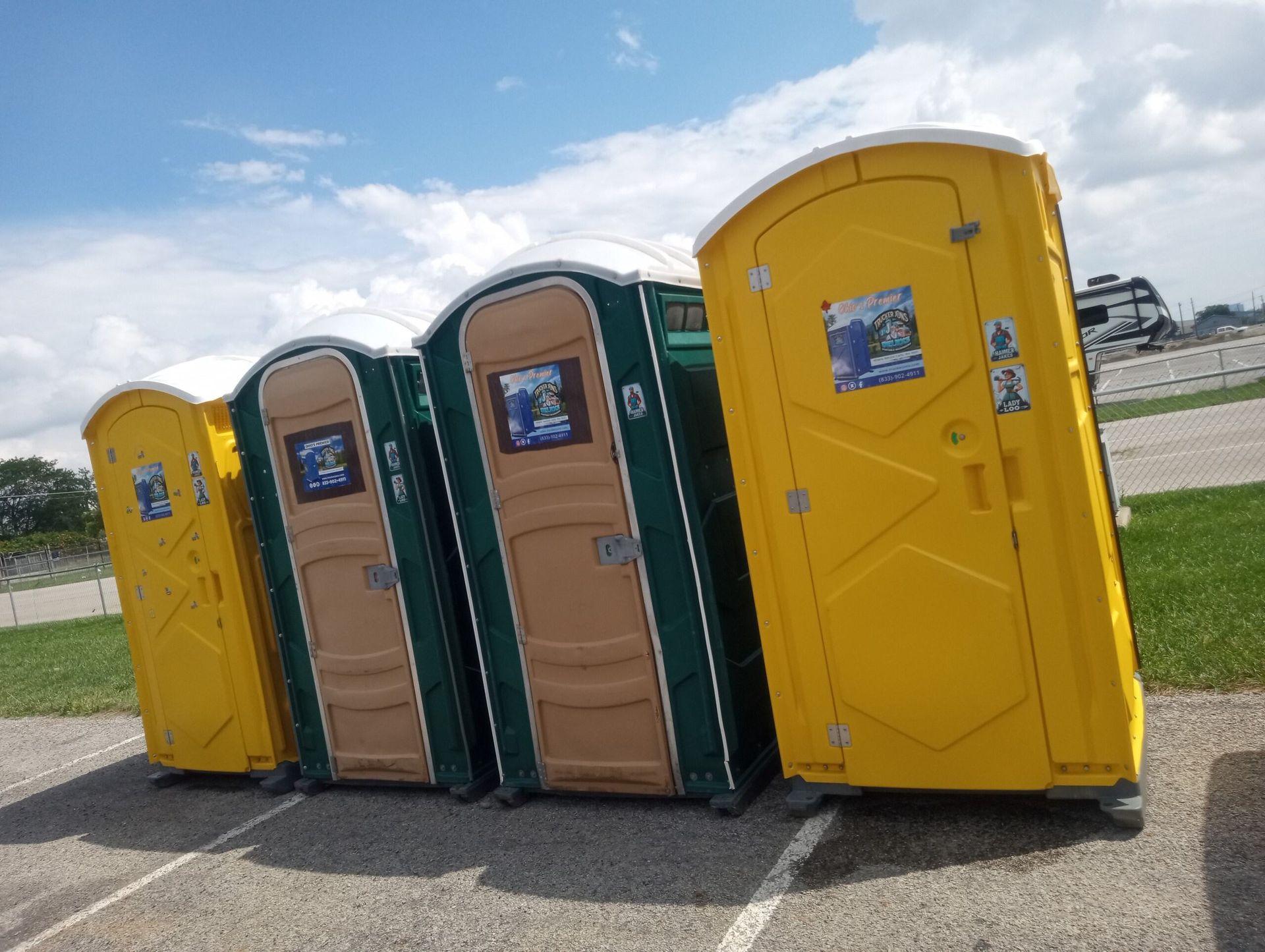
Placement makes a difference. Positioning a portable toilet on level, stable ground, away from heavy wind exposure and snow accumulation, helps maintain accessibility and reduces the risk of tipping. Avoid areas where melting snow collects and refreezes, especially near restroom entrances.
For additional preparation tips, read
Cold Weather Job Site Ahead? How Portable Toilets Are Prepared for Fall and Winter.
Can You Use a Porta Potty in the Winter Time?
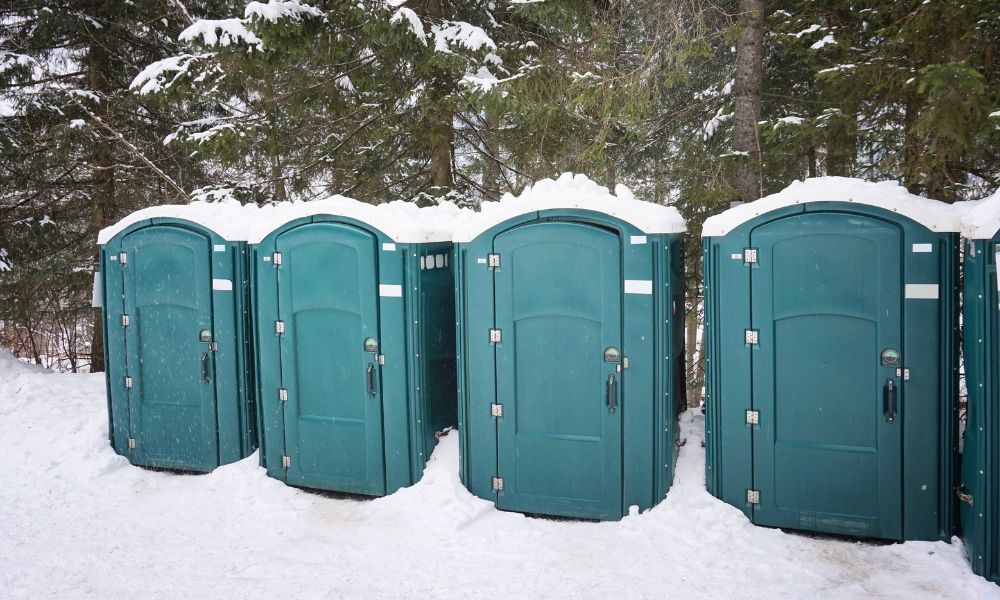
Absolutely. Porta potties can be used throughout winter for construction projects, community events, outdoor maintenance operations, and other temporary activities. However, there's an important distinction between a portable toilet that has simply been left outdoors and one prepared for winter use.
A standard unit may work during an occasional overnight freeze, but extended periods of extremely cold weather require additional attention. Frozen tank contents, slippery entrances, and blocked access routes can make a restroom unusable, even when the unit itself is in good condition.
For businesses arranging Winter Portable Toilet Rentals, several practical considerations deserve attention:
- Expected overnight temperatures and extended freezing periods
- Number of employees or guests using the restroom
- Access for delivery and waste removal vehicles
- Snow removal around entrances
- Appropriate hand hygiene arrangements
One common placement mistake is choosing an area where snowplows eventually pile snow. The restroom may remain perfectly functional, but workers can't use it if the door is blocked by a three-foot snowbank. Thinking about where snow will go throughout the winter is just as important as deciding where the restroom should sit.
What Happens if a Portable Toilet Freezes?
When waste or liquid freezes inside a portable toilet, several problems can develop. The most immediate concern is that frozen contents may interfere with proper servicing, but equipment operation and worker safety can also become issues.
Frozen Waste Can Complicate Pumping
Portable sanitation trucks use specialized equipment to remove waste from holding tanks. If that waste becomes solid, routine pumping may be difficult or impossible until the contents thaw or receive professional attention. Repeated freezing and thawing can also create unpleasant maintenance conditions.
Components Can Become Difficult to Operate
Frozen moisture may affect door hardware, toilet components, and certain liquid-based systems. Units equipped with sinks or flushing mechanisms require additional precautions because water lines and reservoirs can freeze. That's why it's important to discuss restroom features with your rental provider before temperatures consistently drop below freezing.
Slippery Conditions Create Safety Concerns
Ice around restroom entrances can become a slipping hazard, particularly on busy construction sites where employees may be wearing heavy boots and carrying equipment. Snow-packed walkways and uneven frozen ground also make accessing the restroom more difficult.
If a portable toilet freezes, contact the rental provider rather than attempting to thaw equipment with open flames, unapproved heaters, or unknown chemicals.
What Is the OSHA Rule for Portable Toilets?
The Occupational Safety and Health Administration (OSHA) requires employers to provide appropriate restroom facilities at construction job sites. Under OSHA regulation 29 CFR 1926.51(c), the minimum number of toilet facilities depends on how many employees are working on-site.
- 20 or fewer workers: 1 toilet facility.
- 21–199 workers: 1 toilet seat and 1 urinal per 40 workers.
- 200 or more workers: 1 toilet seat and 1 urinal per 50 workers.
These are minimum construction-site requirements, not necessarily the ideal number of portable toilets for every project. Actual needs may be greater depending on staffing, accessibility, site layout, and restroom usage.
OSHA also requires that restroom facilities be available to workers. A toilet that is inaccessible, unsanitary, or unusable because of freezing conditions may not satisfy that obligation. This matters during winter when snowbanks, locked gates, or frozen equipment can interrupt restroom access.
For additional guidance, review OSHA's construction sanitation requirements.
Do You Need a Permit for a Portable Toilet?
Whether a portable toilet requires a permit depends on its location, intended use, and applicable municipal regulations. For many temporary rentals placed on private property, a separate portable toilet permit may not be necessary. However, construction permits, event approvals, zoning requirements, or property restrictions can still apply.
Placement on public sidewalks, streets, or other public rights-of-way may require additional authorization. For example, certain temporary construction-related uses of public rights-of-way in Columbus require approval from the city.
Before scheduling Portable Restroom Rentals, property owners and contractors should confirm that their proposed location meets local requirements. It's better to resolve a placement question before delivery than discover that the restroom needs to be moved afterward, especially when snow or frozen ground makes relocation more difficult.
How Often Should Portable Toilets Be Serviced During Winter?
Many portable toilet rentals begin with weekly servicing, although the appropriate frequency depends on the number of users, usage levels, weather conditions, and applicable sanitation requirements. Winter projects sometimes need schedule adjustments, particularly when freezing weather makes waste removal more challenging.
A restroom serving a small crew of five workers will experience considerably less use than one serving 40 employees during a full construction shift. In either situation, service access remains essential. Snow-covered roads, construction equipment, and blocked entrances can prevent technicians from reaching the unit.
We recommend reviewing the restroom location whenever construction phases change. A convenient location in November might become an obstacle by January if equipment storage or snow removal patterns shift. Consistent communication with your sanitation provider helps prevent these problems and keeps the restroom accessible throughout the project.
Can I Use My RV Toilet While It's Winterized?
An RV toilet is different from a standard portable toilet because it often depends on plumbing, a freshwater supply, and a separate waste-holding system. When an RV is winterized, its plumbing is typically drained or treated to prevent freezing damage. Using the toilet may introduce water or waste into systems that aren't ready for regular operation.
Some RV owners use approved methods for limited winter toilet use, but compatibility depends on the specific RV, plumbing arrangement, and manufacturer instructions.
For construction projects or outdoor events, a professionally serviced portable toilet is generally a more practical option than relying on a winterized RV bathroom. The rental provider handles waste removal and maintenance, eliminating the need for the property owner to manage an RV's plumbing system during freezing weather.
What Are OSHA's 3 Most Cited Violations?
According to OSHA's fiscal year 2025 data, the three most frequently cited workplace safety standards were fall protection, hazard communication, and ladders. Although restroom sanitation wasn't among the three most cited standards, that doesn't make it optional.
OSHA's sanitation requirements remain applicable to covered workplaces, and employers are responsible for maintaining compliant facilities. For Cold Weather Job Sites, restroom accessibility should be included in routine safety planning alongside snow removal, equipment operation, and slip prevention.
A portable toilet that employees cannot safely reach isn't serving its purpose, regardless of how well the rest of the site is maintained.
How Should You Prepare Your Portable Toilet Rental for an Ohio Winter?
Central Ohio winters can bring freezing rain, snow, strong winds, and repeated temperature changes. A restroom location that works during a mild December afternoon may look completely different after an overnight storm. Before the first significant freeze, review these five considerations:
- Location: Choose stable, level ground away from drainage problems.
- Access: Keep a clear route for employees and sanitation trucks.
- Snow removal: Avoid locations where plows deposit large snowbanks.
- Maintenance: Confirm appropriate winter tank treatment and service frequency.
- Communication: Notify the rental provider about schedule changes, access restrictions, or increased staffing.
If a project continues into winter unexpectedly, contact the provider before the next cold snap. Early adjustments can help prevent disruptions, especially when temperatures fluctuate between freezing and thawing over several days.
The goal is straightforward: workers should have a clean, accessible restroom regardless of the forecast.
Schedule Winter Portable Toilet Rentals With Trucker Jon's
Portable toilets can work throughout Ohio's freezing winter months when they're properly prepared and maintained. Cold-weather tank treatments, reliable servicing, and practical placement all contribute to keeping restrooms functional, even during extended periods of freezing weather.
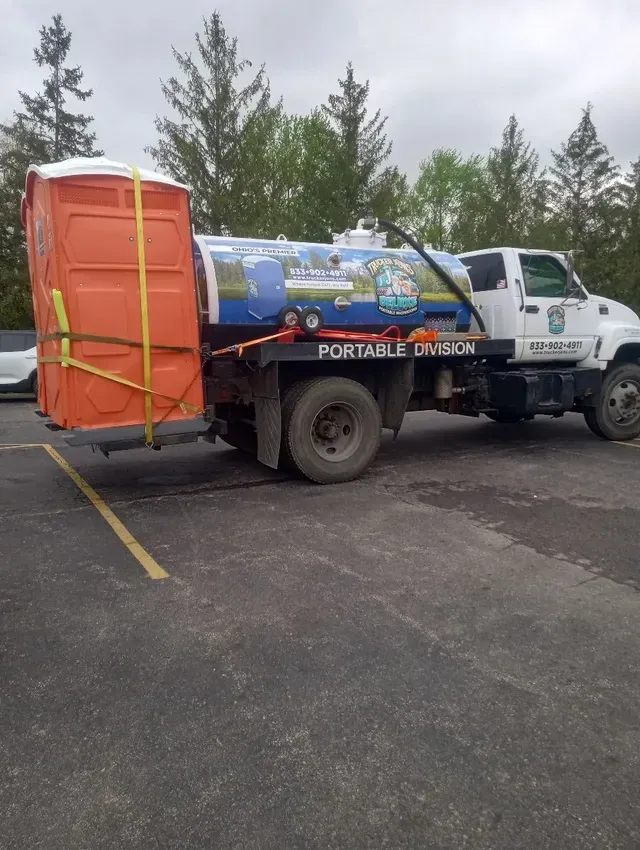
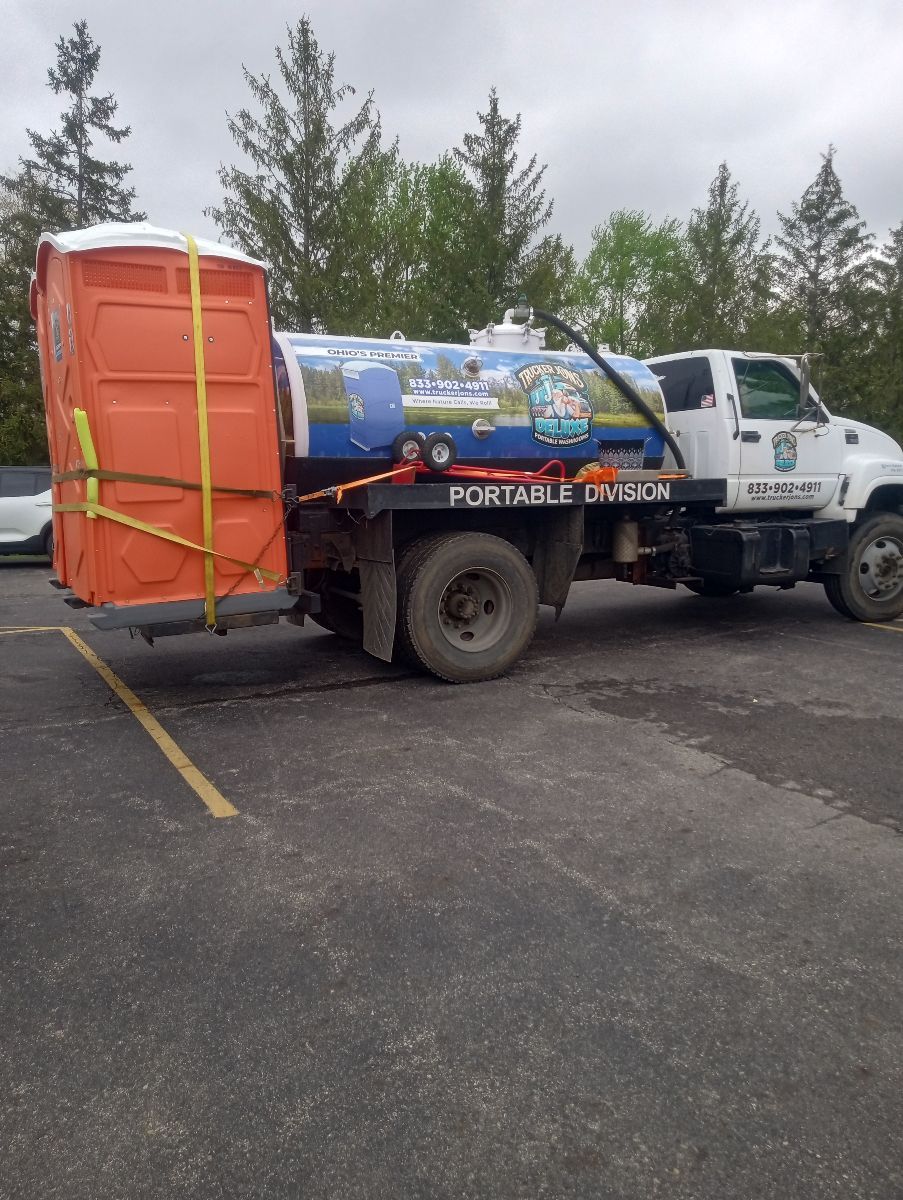
Trucker Jon's provides portable sanitation services throughout Columbus and surrounding Central Ohio communities. Whether you're coordinating a construction project, planning an outdoor event, or managing a temporary work location, choosing the right restroom arrangement makes winter operations easier.
Explore our portable toilet rental services or contact Trucker Jon's to discuss your winter sanitation needs. Don't wait until the first hard freeze to plan for restrooms your team depends on every day.