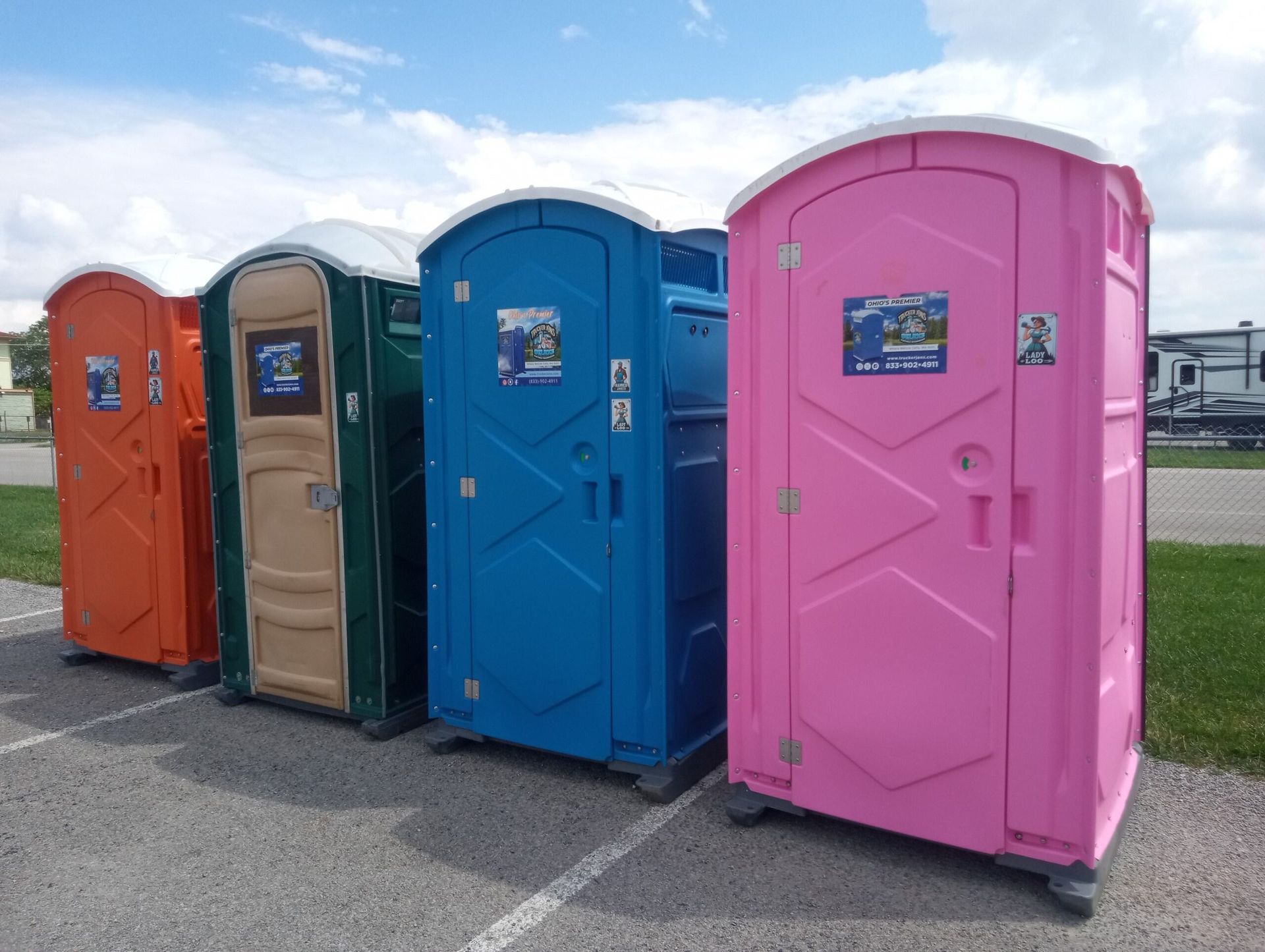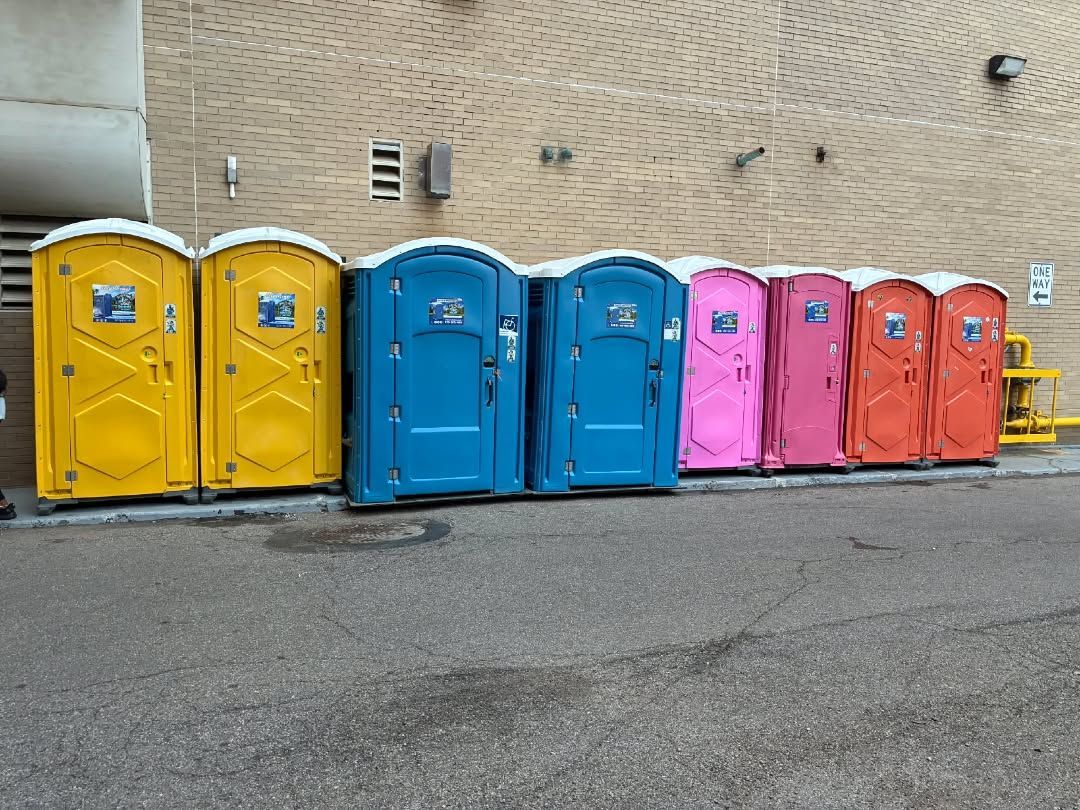
Portable Toilets for Home Renovations: When Does a Residential Project Need One?
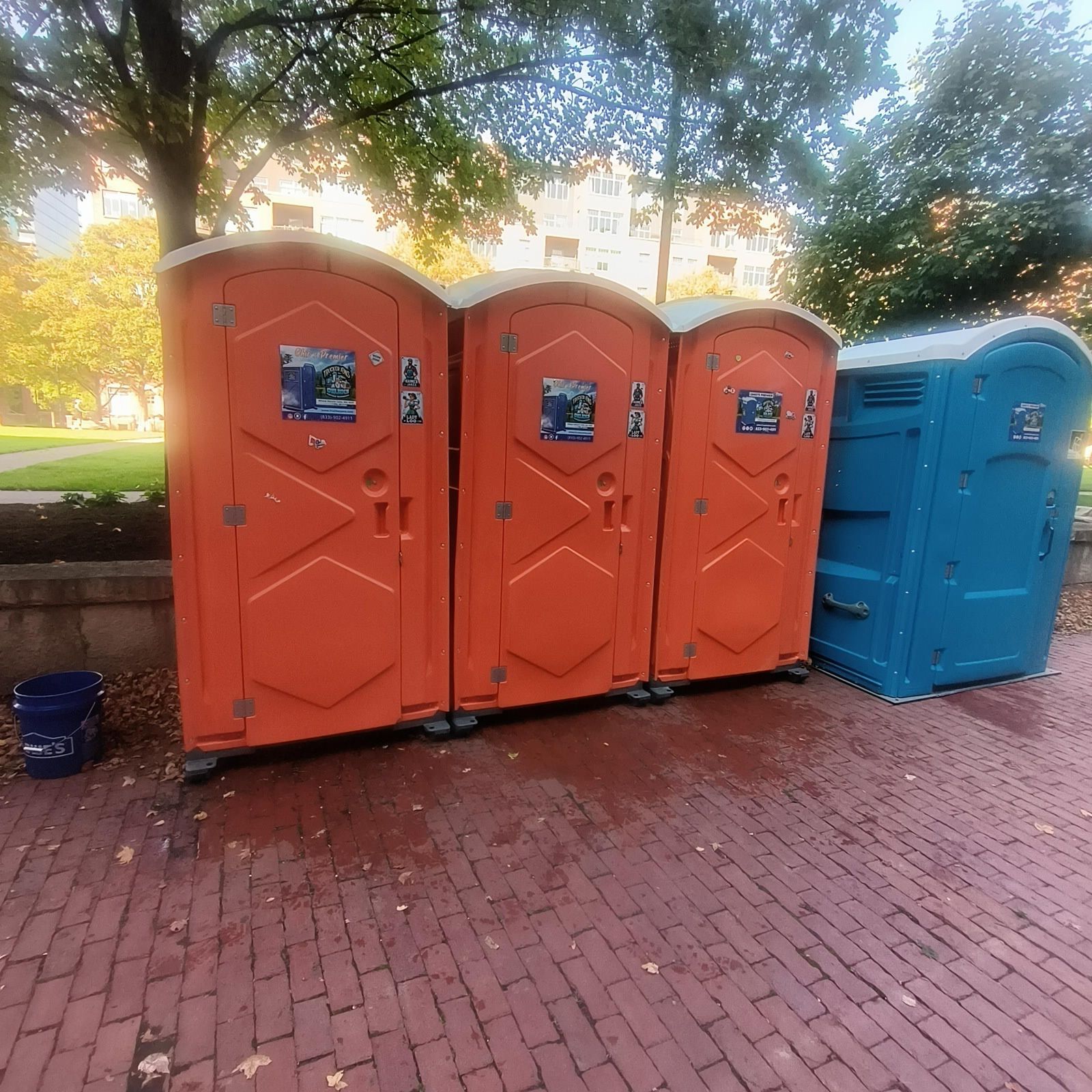
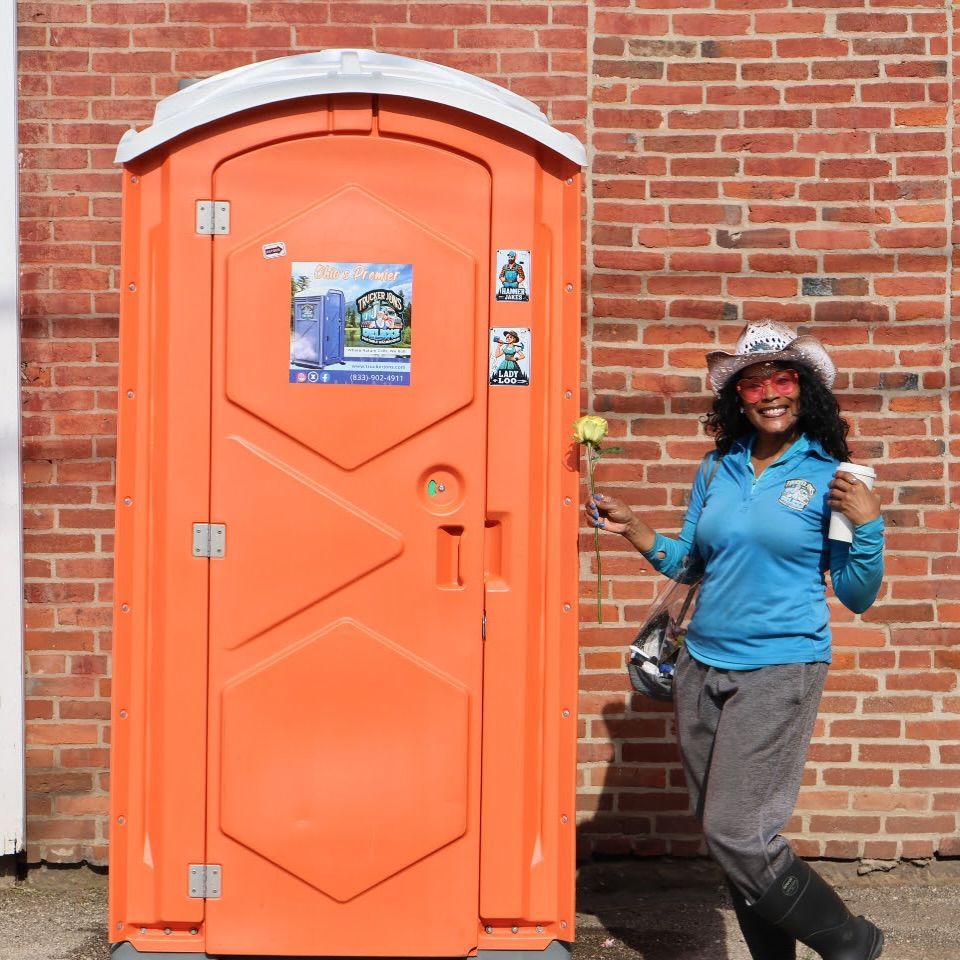
A residential renovation needs a portable toilet when workers will be on-site for more than a short visit, the home’s bathrooms are unavailable, or using the homeowner’s restroom would disrupt the project or living space. For multi-day remodels, additions, roofing jobs, and major exterior work, a dedicated restroom can make the site cleaner, easier to manage, and more professional.
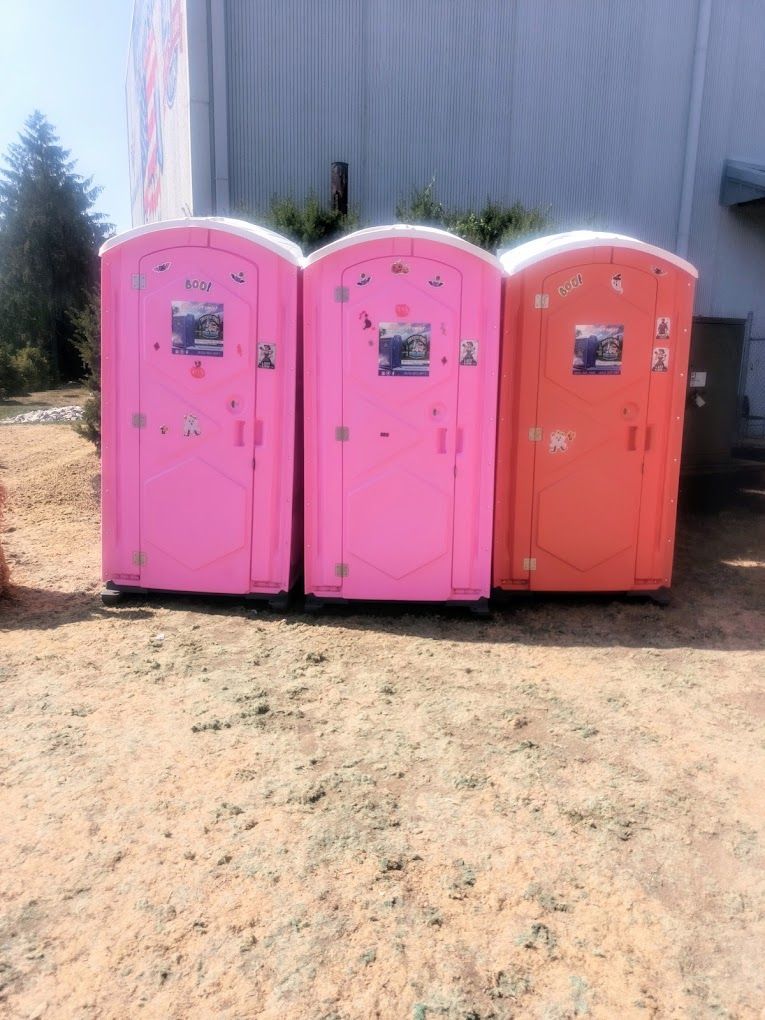
That becomes more important once several trades are moving through the property. Electricians, roofers, plumbers, framers, landscapers, and delivery crews may all come and go. Well-planned Portable Toilet Rentals give crews one consistent restroom location without repeatedly sending workers inside the house.
The need is hardly unusual. U.S. Census Bureau data from the 2023 American Housing Survey found that 59% of homeowners made improvements, with homeowners spending $827 billion on improvements from 2021 through 2023. Sanitation is a practical part of renovation planning, not just something for large commercial construction sites.
When Does a Home Renovation Actually Need a Portable Toilet?
A one-hour service call probably does not justify a portable restroom. A three-week kitchen renovation might. The decision usually comes down to project length, number of workers, indoor plumbing access, and how much separation the homeowner wants between the crew and living areas.
Bathroom remodels are an obvious example because the room being renovated may be the same restroom a crew would otherwise use. Whole-home renovations, additions, roof replacements, siding jobs, decks, patios, pools, sewer work, and major landscaping can also create a need for Home Renovation Portable Toilets.
There is also a privacy issue. Many homeowners remain in the house while work is underway. A portable unit lets workers stay in the work zone instead of walking through finished rooms or asking to use a family bathroom throughout the day.
Portable Toilets for Home Renovations: When Does a Residential Project Need One?
Think beyond whether a bathroom technically exists. Ask whether it will be reliably available to everyone working on the property.
If water is being shut off, plumbing is disconnected, the only bathroom is part of the remodel, or the crew must cross private living areas to reach it, a portable toilet makes sense. It can also help on exterior projects where workers would otherwise lose time going in and out of the home.
For residential Job Site Sanitation, access matters almost as much as the unit itself. A toilet on firm, level ground where the crew and service truck can reach it is far more useful than one hidden in a soft backyard corner.
What Are the OSHA Requirements for Portable Toilets in Construction?
If a residential project has employees working on-site, contractors should understand OSHA’s construction sanitation requirements. Under the federal construction standard, sites with 20 or fewer employees generally need at least one toilet facility. The required number increases for larger crews.
OSHA also makes clear that facilities must be usable and reasonably accessible. A toilet that workers cannot reach promptly, or one that becomes unsanitary, does not meet the purpose of the rule. Contractors can review OSHA’s construction sanitation standard for the federal requirements.
This is why service frequency should reflect actual use. Waste levels, odor, supplies, and cleanliness need to be monitored. For a deeper job-site discussion, see Do I legally have to provide a porta potty at a job site?.
Do You Need a Permit for a Portable Toilet?
Not automatically. There is no single nationwide permit rule that applies every time someone rents a portable toilet for a home renovation. Local codes, the overall construction permit, HOA rules, and whether the unit will occupy a sidewalk, street, alley, or other public right-of-way can affect what is required.
The safest approach is to check with the local building or health department when there is any question. A unit sitting entirely on a private driveway can present very different requirements from one that needs to occupy public property.
We also recommend thinking about placement before delivery day. Overhead wires, narrow gates, steep grades, soft lawns, parked vehicles, and blocked access can all create problems. The best spot is usually firm, level, convenient for workers, and reachable for service.
Where Should a Portable Toilet Go on a Residential Job Site?
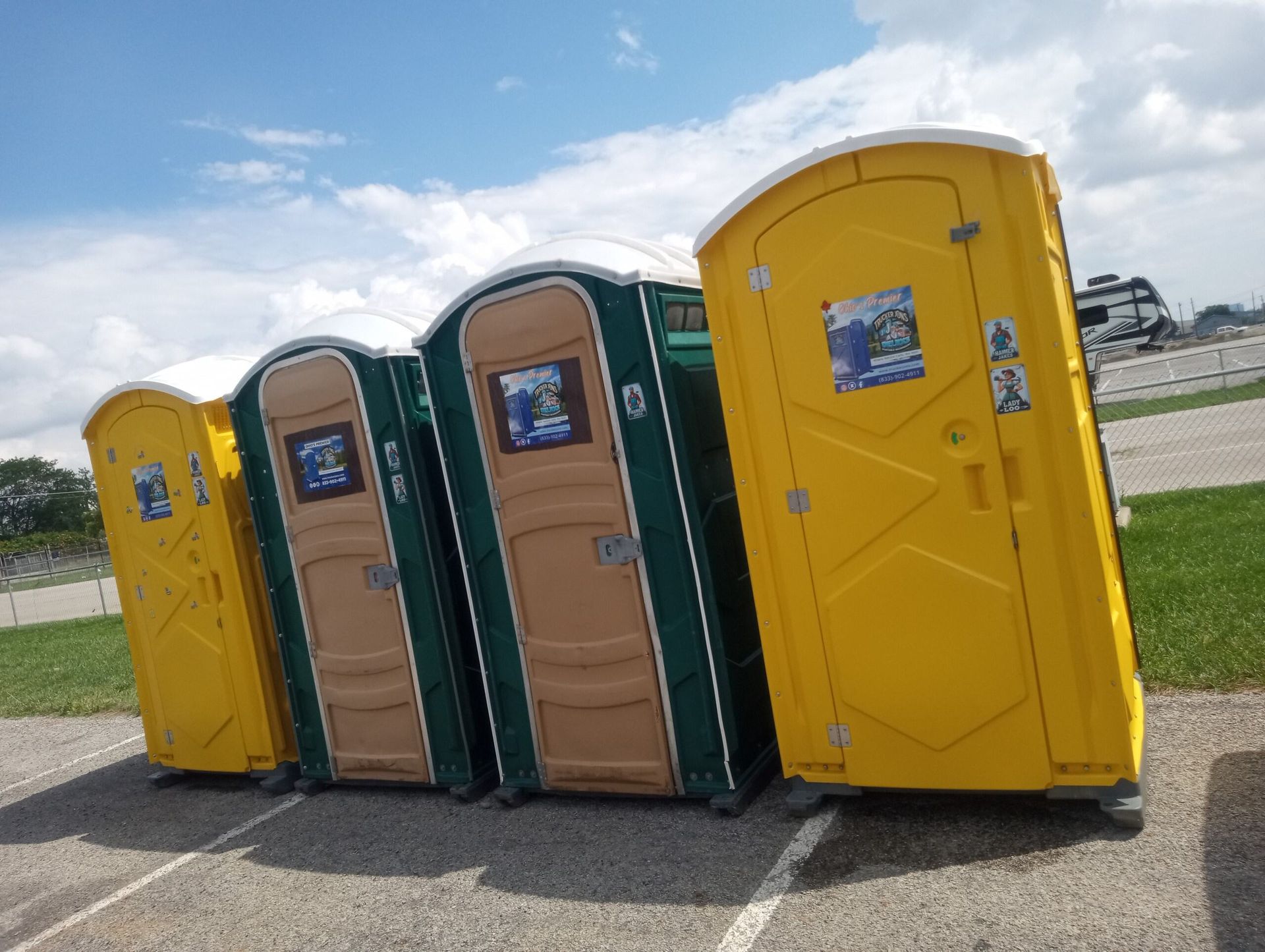
Placement can make or break the rental. The unit should be close enough for workers to use easily, but not directly beside a front door, outdoor eating area, or heavily used family space.
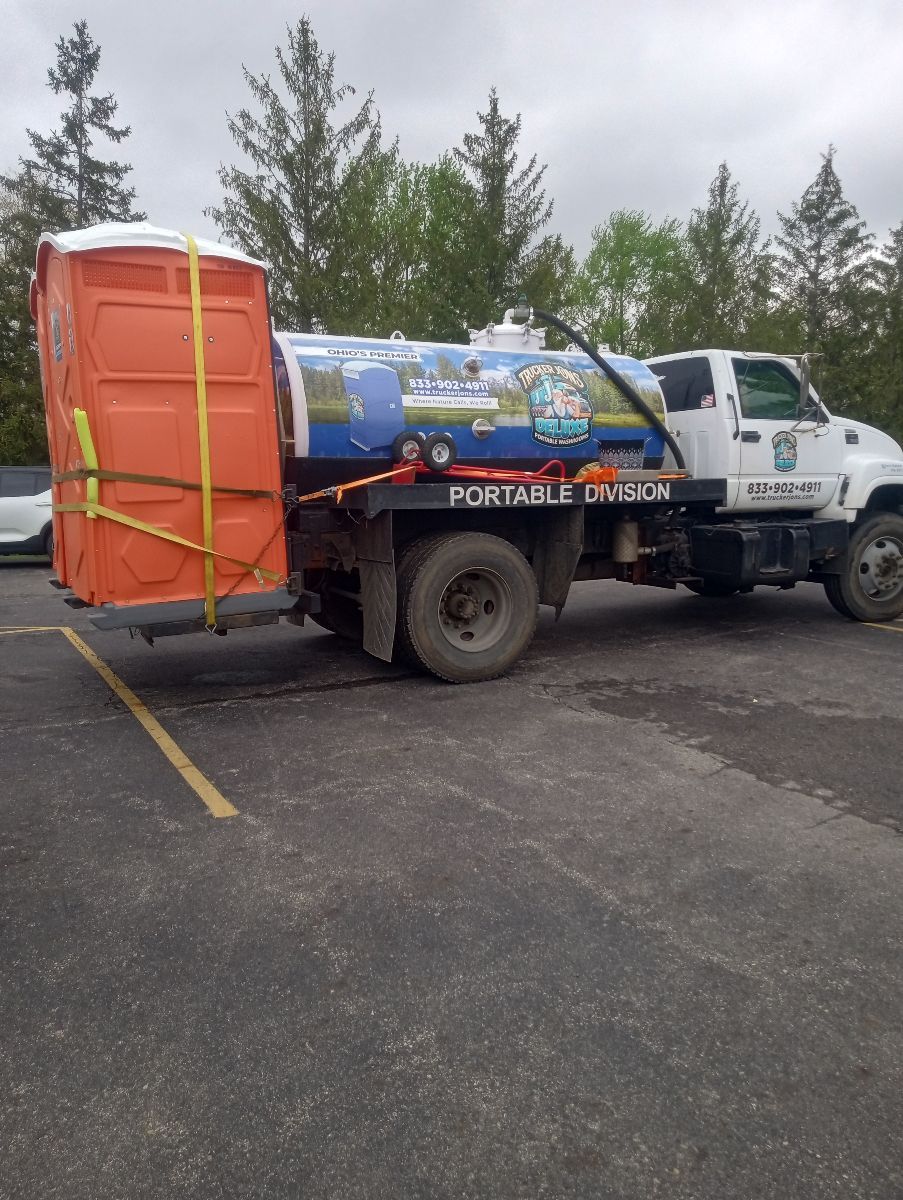
A driveway or another firm, level surface is often practical because it reduces the chance of sinking and makes service access easier. The truck needs a clear path too. Locked gates, blocked driveways, vehicles, construction materials, and muddy ground can delay pumping.
One of the simplest lessons from job-site planning is to think about servicing at the same time as delivery. A location is not truly convenient if the service truck cannot reach it later.
What Are the Downsides of Using Portable Toilets?
The main downsides are space, appearance, weather exposure, and the need for regular service. On a small residential lot, even one unit may compete with dumpsters, trailers, materials, and contractor vehicles.
Poor placement makes those drawbacks worse. Put a unit on soft ground and heavy rain can create stability or access problems. Put it too far from the crew and it becomes inconvenient. Put it where the truck cannot reach it and routine service gets harder.
Those issues are manageable with planning. Good
Portable Restroom Rentals start with a realistic conversation about the property, project duration, crew size, access, and placement.
Do You Put Toilet Paper in a Portable Toilet?
Yes. Portable toilets are designed to be stocked with toilet paper, and keeping paper available is part of maintaining a usable restroom. The holding tank, however, should not be treated like a trash can.
Paper towels, wipes, diapers, feminine hygiene products, food packaging, and construction debris belong in a waste container rather than the tank. Even products marketed as “flushable” can complicate servicing.
On longer residential jobs, checking supplies between service visits is worthwhile. A quick look at toilet paper levels and cleanliness can prevent an unnecessary problem for the crew.
Do Portable Toilets Smell?
A portable toilet can develop odor, but a properly placed and regularly serviced unit should not become an overpowering problem. Usage, heat, ventilation, waste volume, and service frequency all affect odor.
A unit serving a small remodeling crew has different demands than one at a high-traffic event. If several subcontractors overlap for a week, usage may jump and the service plan may need to change.
Placement helps too. Give the unit airflow, keep it away from gathering spaces when practical, and avoid an enclosed location that traps heat. Cleanliness is not just a delivery-day concern; it needs attention throughout the rental.
How Many Portable Toilets Does a Home Renovation Need?
Many smaller residential crews can work with one properly serviced unit, but headcount and usage should drive the decision. A few workers renovating a bathroom are very different from multiple subcontractors working simultaneously on a large addition.
Project managers should also consider the busiest phase of the schedule. Demolition, framing, roofing, electrical, plumbing, and mechanical crews may overlap. OSHA’s minimums are a legal baseline for covered employers, not necessarily the ideal service level for every site.
When arranging the rental, share the expected crew size and project duration. Planning around the busiest realistic period is better than discovering mid-project that the unit is being overused.
A Small Detail That Can Make a Renovation Run More Smoothly
Portable sanitation does not affect the finished kitchen, roof, deck, or addition, but it does affect the daily experience of the people building it.
When the restroom is easy to reach, clean, stocked, and accessible for service, nobody has to think much about it. That is the goal. The crew stays in the work area, the homeowner keeps more privacy, and one more logistical problem disappears.
Before delivery, confirm the address, rental duration, expected crew size, placement area, gate access, and obstacles a service truck should know about. A few minutes of planning can prevent blocked service, awkward placement, or a mid-project move.