Can You Extend a Portable Toilet Rental for a Long-Term Construction Project?
Yes, you can usually extend a portable toilet rental for a long-term construction project. In most cases, the rental company can keep the same unit on site and continue scheduled servicing as long as you give enough notice, the unit remains serviceable, and the provider can continue supporting your location.
That flexibility matters because construction schedules rarely stay perfectly fixed. Weather delays, inspections, material backorders, change orders, and added phases can push a project beyond its original end date. Extending the existing rental is often simpler than scheduling pickup and ordering another unit later.
Can You Extend a Portable Toilet Rental for a Long-Term Construction Project?
For most active jobsites, yes. An extension may be as simple as contacting the rental provider before the scheduled pickup date and confirming the new estimated end date. The exact process depends on the rental agreement, billing cycle, unit availability, and service route.
The important part is not to wait until the last morning of the rental. Portable restroom companies plan deliveries, pickups, and cleaning routes in advance. If your project is clearly running two more weeks or another month, early notice helps keep service uninterrupted.
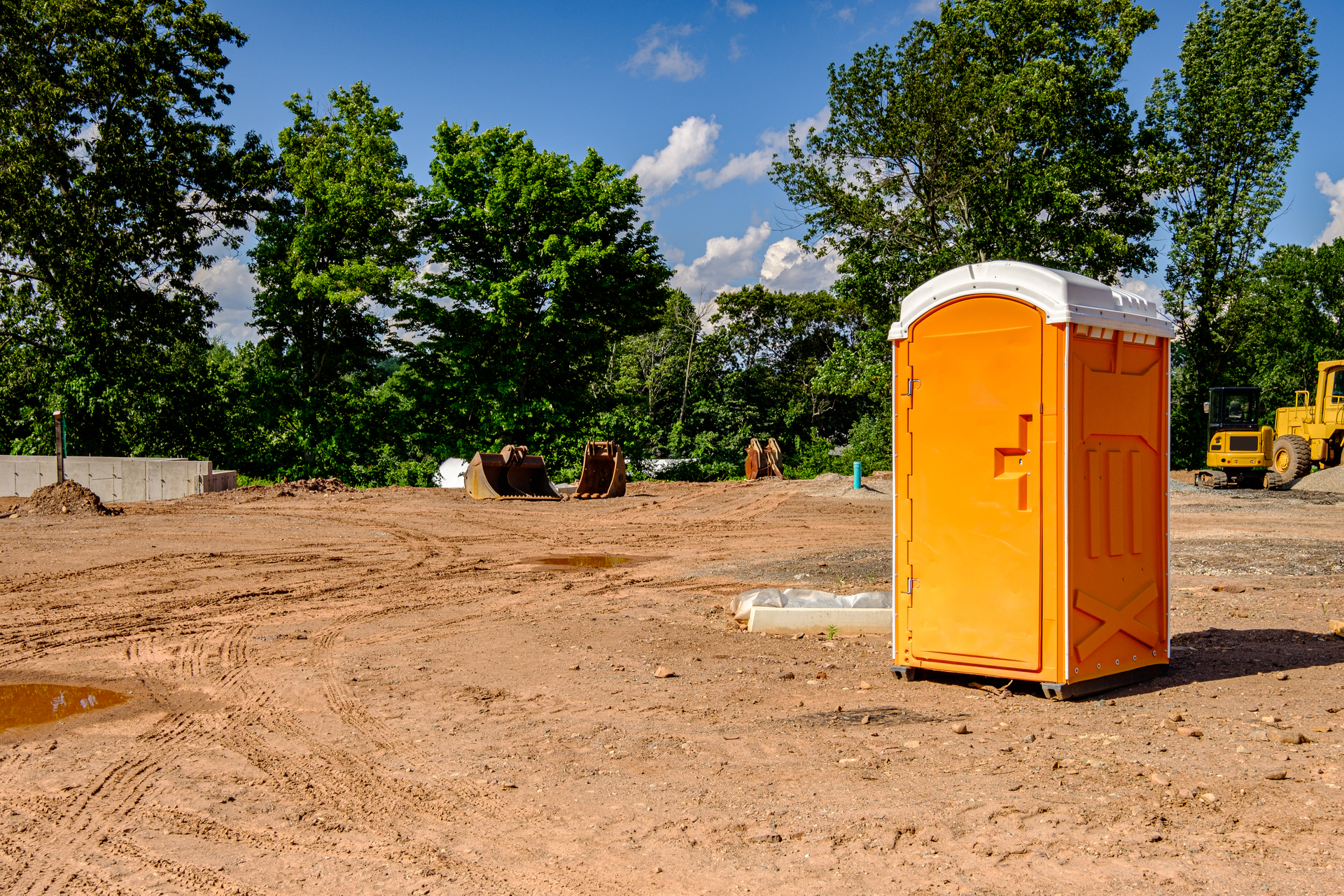
This is one reason Portable Toilets for Construction Sites are handled differently from one-day event rentals. A construction unit may stay in the same location through several phases of work, with recurring cleaning and pumping built around the crew’s schedule.
How Long Can You Rent a Porta Potty For?
A portable toilet can often be rented for weeks, months, or longer. There is no universal maximum rental period. What matters is whether the provider offers long-term service, whether the unit can still be safely maintained, and whether the account remains active under the agreed terms.
For contractors, that is useful when completion dates move. A six-week renovation can become a three-month job, while a commercial build may run through several seasons. The restroom does not automatically need to be replaced just because the original rental period ends.
Trucker Jon’s covers the topic in more detail in
Can You Rent a Porta Potty for Multiple Months?. The practical lesson is to plan the restroom rental around the realistic project schedule rather than the most optimistic completion date.
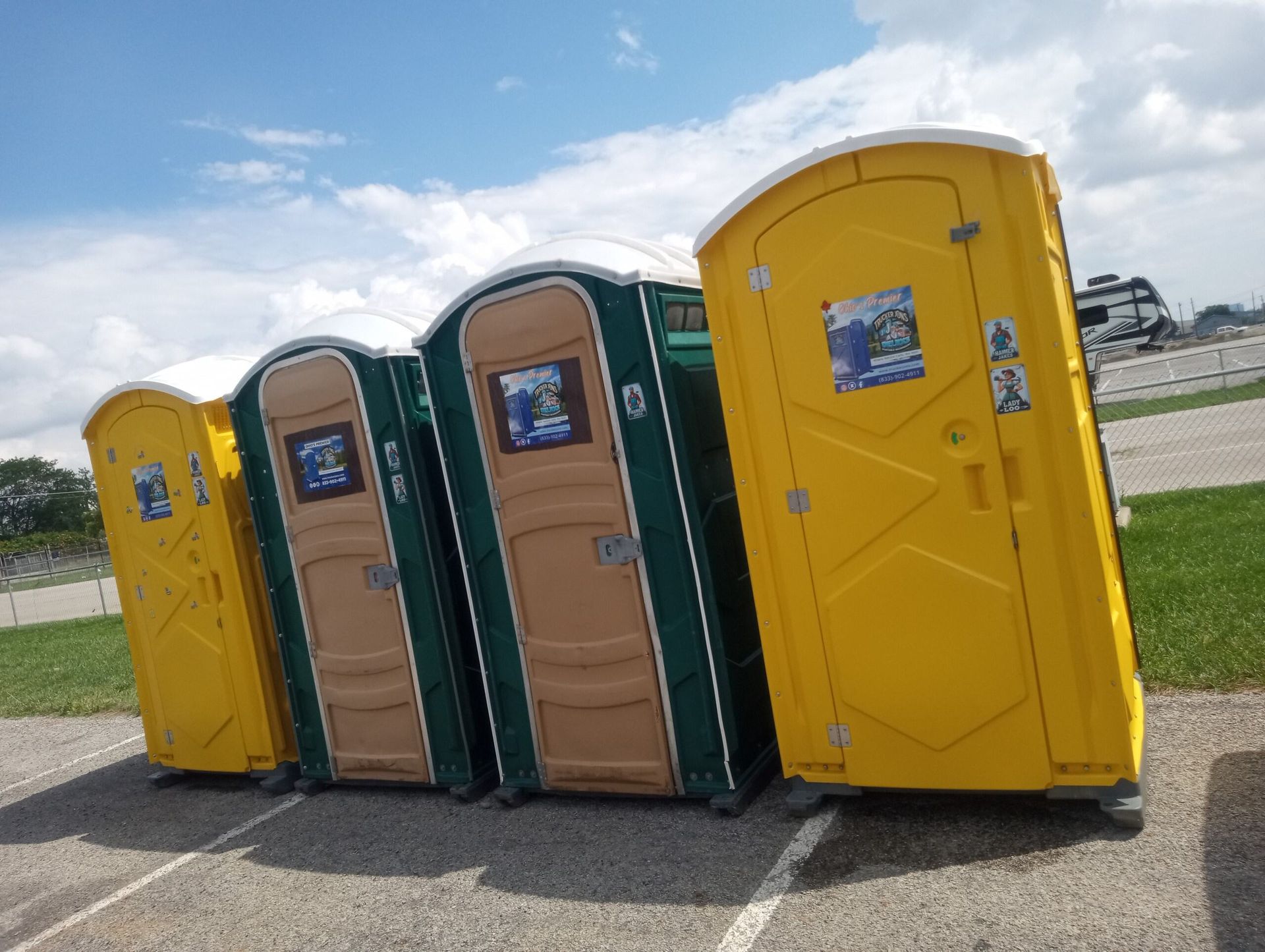
What Changes When You Extend the Rental?
The toilet may stay exactly where it is, but the rental plan can change. Your provider may extend the billing cycle, confirm a new pickup window, adjust service frequency, or update the number of units if the crew size changes.
Construction projects are not static. You may have a small crew during demolition, more trades during framing and mechanical work, and fewer workers again during finish work. The restroom plan that worked in month one may not fit month four.
For Long-Term Portable Restroom Rentals, I would review three things whenever the schedule changes: headcount, expected daily use, and truck access. If one changes significantly, the service plan may need to change too.
How Many Times Can a Portable Toilet Be Used?
There is no useful single number for every portable toilet because holding-tank size, users, shift length, weather, and service frequency all affect capacity. A unit used by a small crew will fill much more slowly than the same unit serving a busy site with multiple trades.
The better question is whether the unit count and service schedule match actual use. OSHA’s construction sanitation standard establishes minimum toilet-facility requirements based on employee count. Still, a minimum compliance number does not always guarantee the best day-to-day experience on a busy site.
Watch for practical signs that usage is outpacing service: persistent odor, supplies disappearing early, high waste levels, lines during breaks, or repeated complaints. Those are signals that adding a unit or increasing service may be smarter than waiting for the next scheduled visit.
Service Frequency Matters More on Extended Projects
Extending the rental without extending the maintenance plan is where problems begin. A long-term portable toilet needs regular pumping, cleaning, deodorizing, and restocking. Weekly service is common for many longer rentals, while busier construction sites may need more frequent attention.
Real jobsite conditions matter. A unit that works comfortably for a small crew in April may struggle after additional subcontractors arrive in July. Heat can increase odor concerns, and a sudden jump in headcount can change usage almost overnight.
Reliable Job Site Sanitation also depends on access. The restroom must be convenient for workers but reachable by the service truck. If materials, fencing, equipment, or freshly poured concrete block the route, even a good schedule can break down.
Keep the Service Route Clear
Before an extension begins, check that the portable toilet is still in a practical location. A convenient spot during excavation may become a problem once deliveries, paving, or exterior work begin.
If the unit needs to move, coordinate with the provider instead of relocating a full unit without guidance. Good access helps prevent missed service and keeps a long-term rental running smoothly.
Do I Need a Permit to Rent a Porta Potty?
Renting a portable toilet does not automatically mean you need a permit. The bigger issue is placement and local rules. A unit entirely on private property may be treated differently from one placed in a sidewalk, street, public right-of-way, or another controlled area.
For example, the City of Columbus right-of-way permit program requires authorization for certain temporary construction-related uses of public right-of-way. Contractors should check local requirements whenever the planned location extends beyond private property.
Do not assume the permit situation stays the same just because you are extending an existing rental. If the project footprint changes and the restroom moves, the new location may have different requirements.
What Is the Lifespan of a Portable Toilet?
A portable toilet is built for repeated use over many rental cycles, so its physical lifespan is much longer than one construction project. For a contractor, the more relevant question is whether the specific unit remains clean, structurally sound, functional, and appropriate for the site.
Long-term use puts wear on doors, latches, floors, vents, and interior surfaces. Regular professional service gives the provider opportunities to spot problems. If a unit is damaged or no longer suitable, it may need repair or replacement rather than simply staying on site indefinitely.
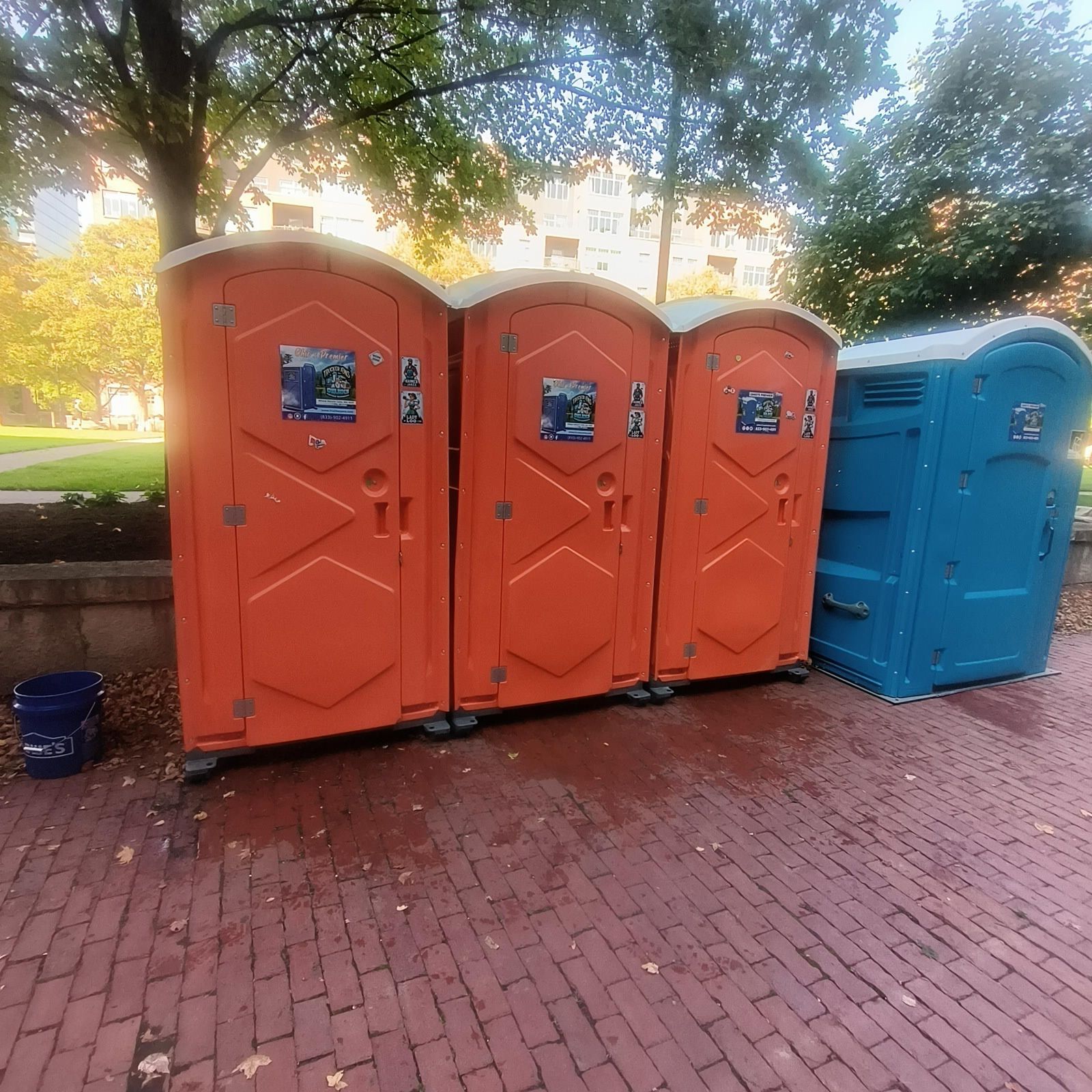
This is also where Premium Portable Restroom Rentals can make sense for certain projects. A standard construction unit is often practical, but sites with clients, office staff, public access, or higher comfort expectations may benefit from an upgraded option.
When Should You Add Another Unit Instead of Just Extending?
An extension keeps the rental going. It does not guarantee that the original setup is still sufficient.
Consider adding another portable toilet when the crew grows, shifts become longer, new subcontractors arrive, or workers regularly wait to use the restroom. The same applies if one unit is serviced frequently but still feels overused between visits.
Think about project phase, not just project length. A site with ten workers in the first month and thirty in the next two months should not automatically use the same sanitation plan throughout. Rechecking the setup as staffing changes can improve cleanliness and help keep workers moving.
How to Make a Long-Term Extension Easier
The easiest extensions are handled before the original rental ends. Give the provider your updated completion estimate, confirm whether the current service schedule will continue, and ask whether billing or pickup terms will change.
It also helps to make one person on the project responsible for monitoring the unit. That means noticing low supplies, damage, blocked access, unusually heavy use, or a crew increase that may justify another unit.
Construction delays are frustrating enough without creating a restroom problem too. If the project timeline changes, update the sanitation plan along with it.
Plan the Portable Restroom Around the Project, Not the Original Date
So, can you extend a portable toilet rental for a long-term construction project? In most cases, yes, and doing so can be easier than ending the rental and starting over. The key is giving your provider notice and confirming that service, billing, placement, and unit count still fit the job.
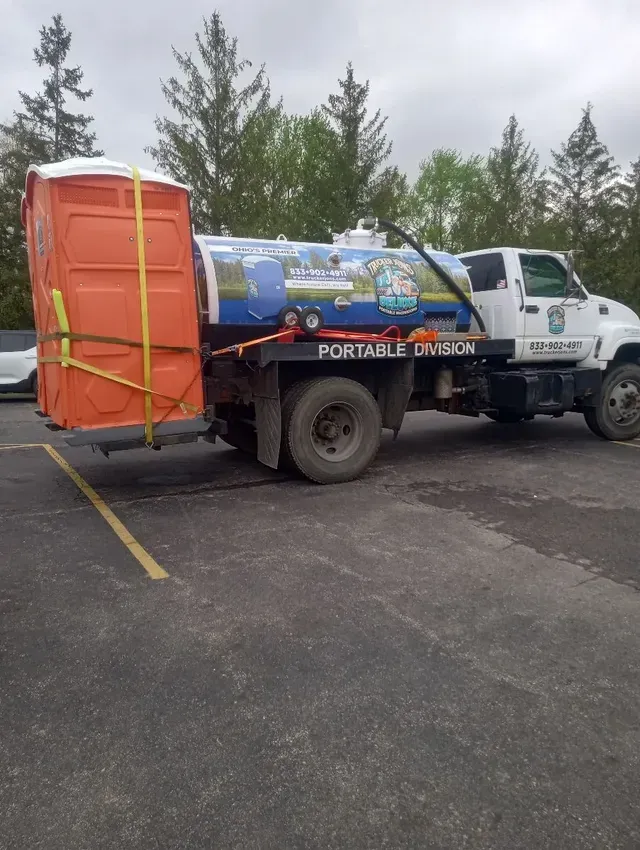
Trucker Jon’s provides portable restroom options for construction sites across Columbus and Central Ohio, with flexible rental plans and regular servicing for shorter jobs and long-term projects. When the project changes, the restroom plan should be able to change with it.