
Where Should Portable Toilets Be Placed on a Construction Site?
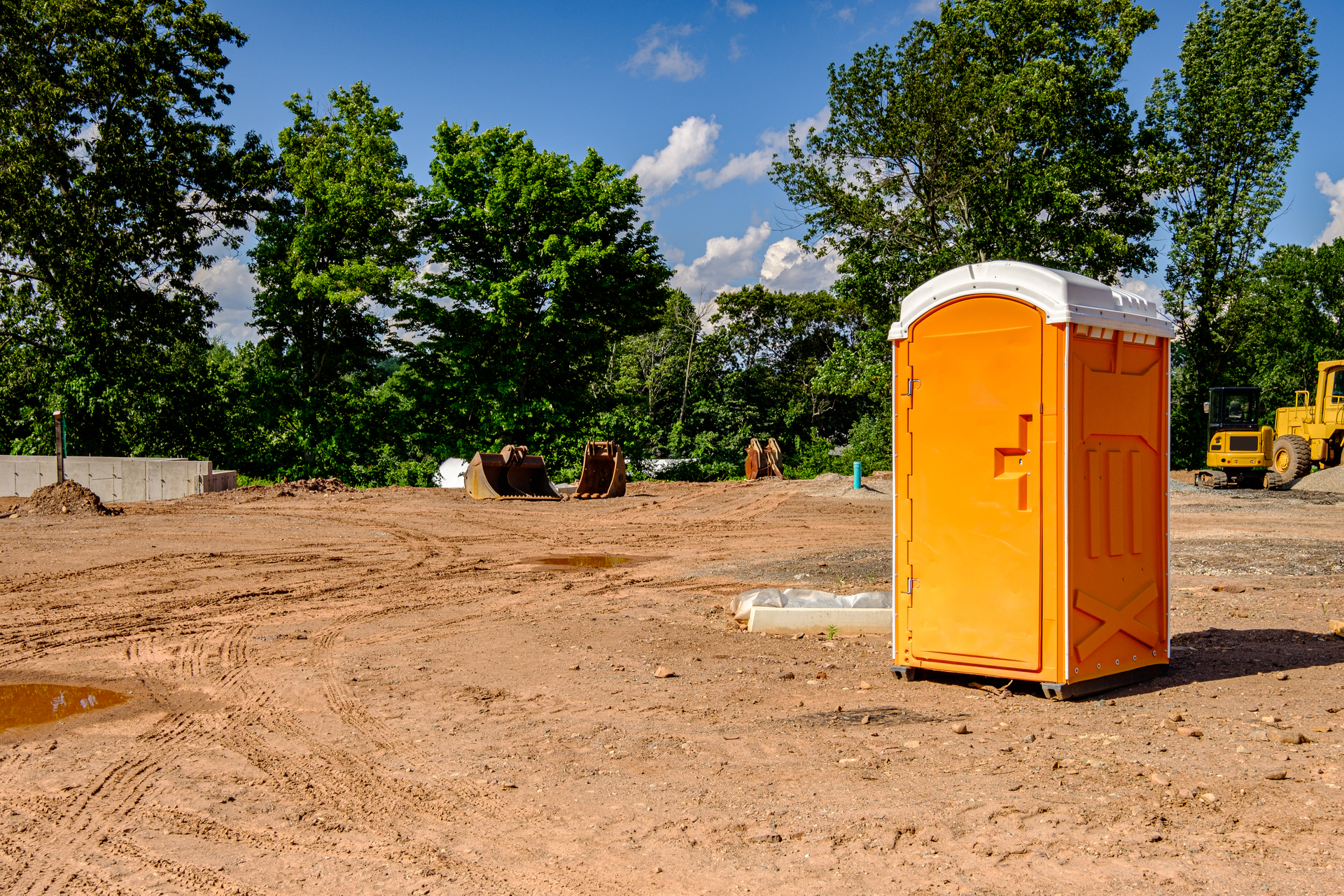
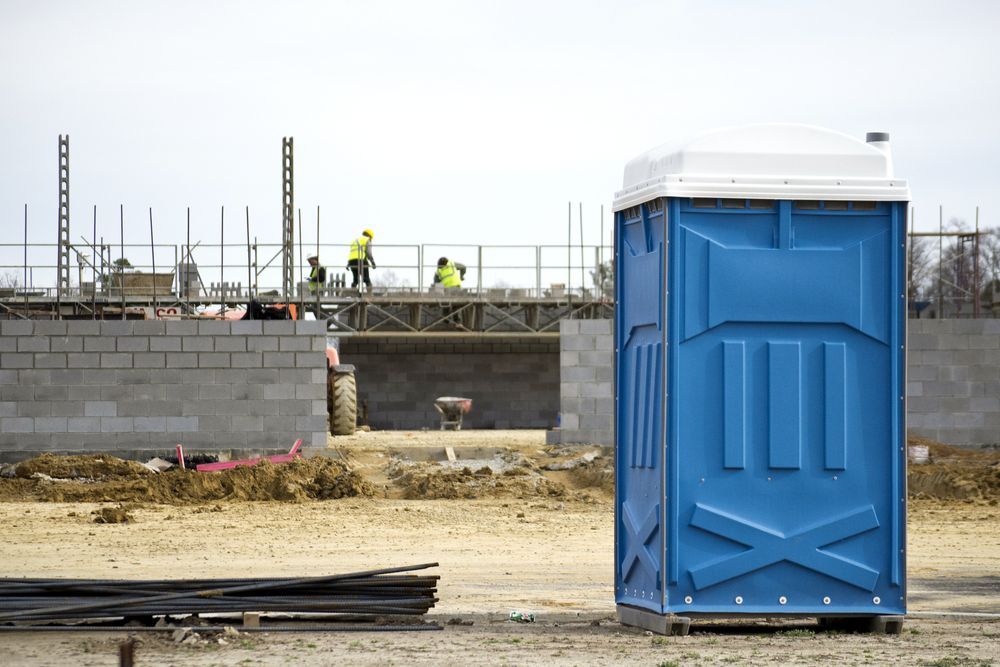
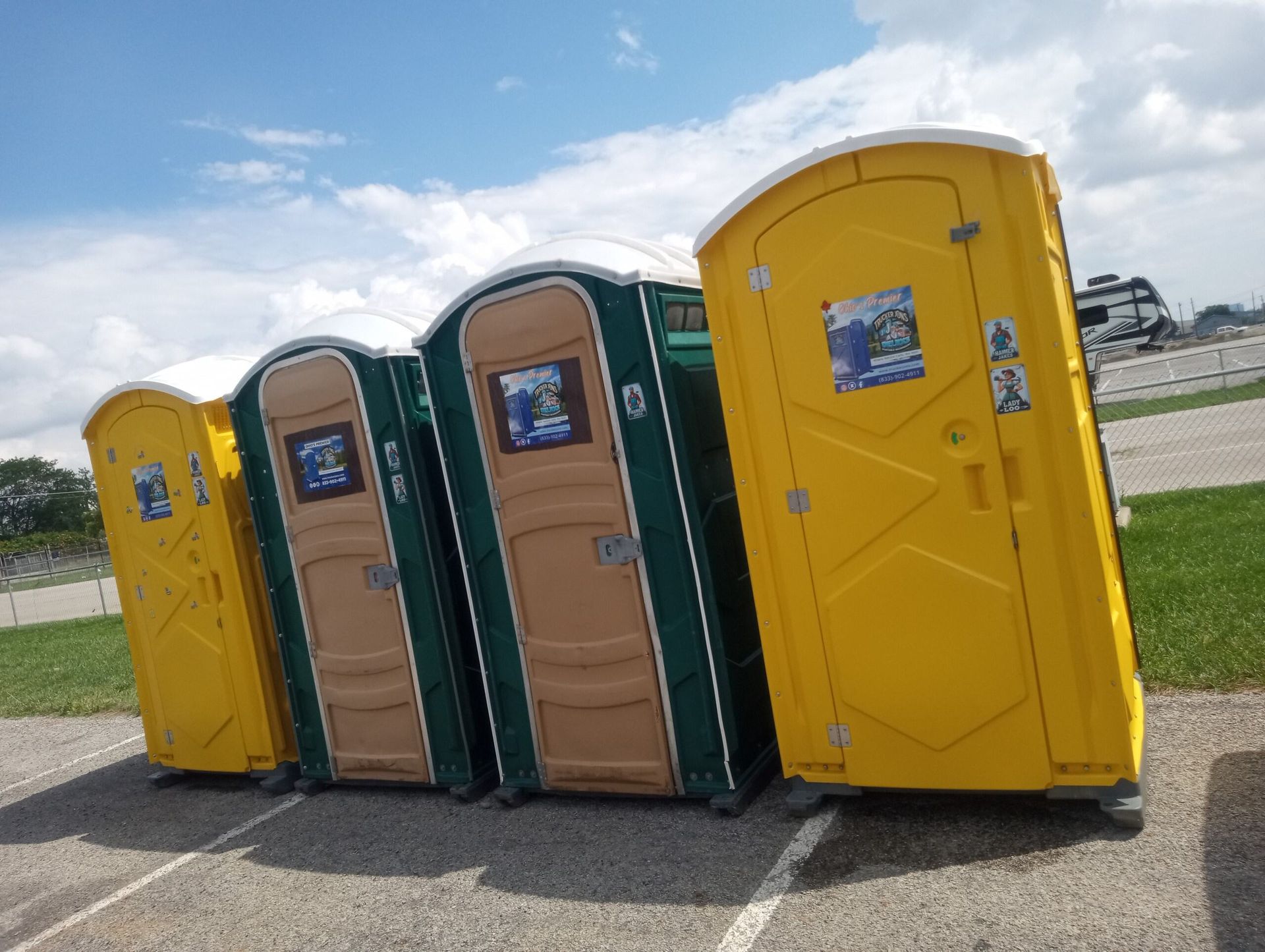
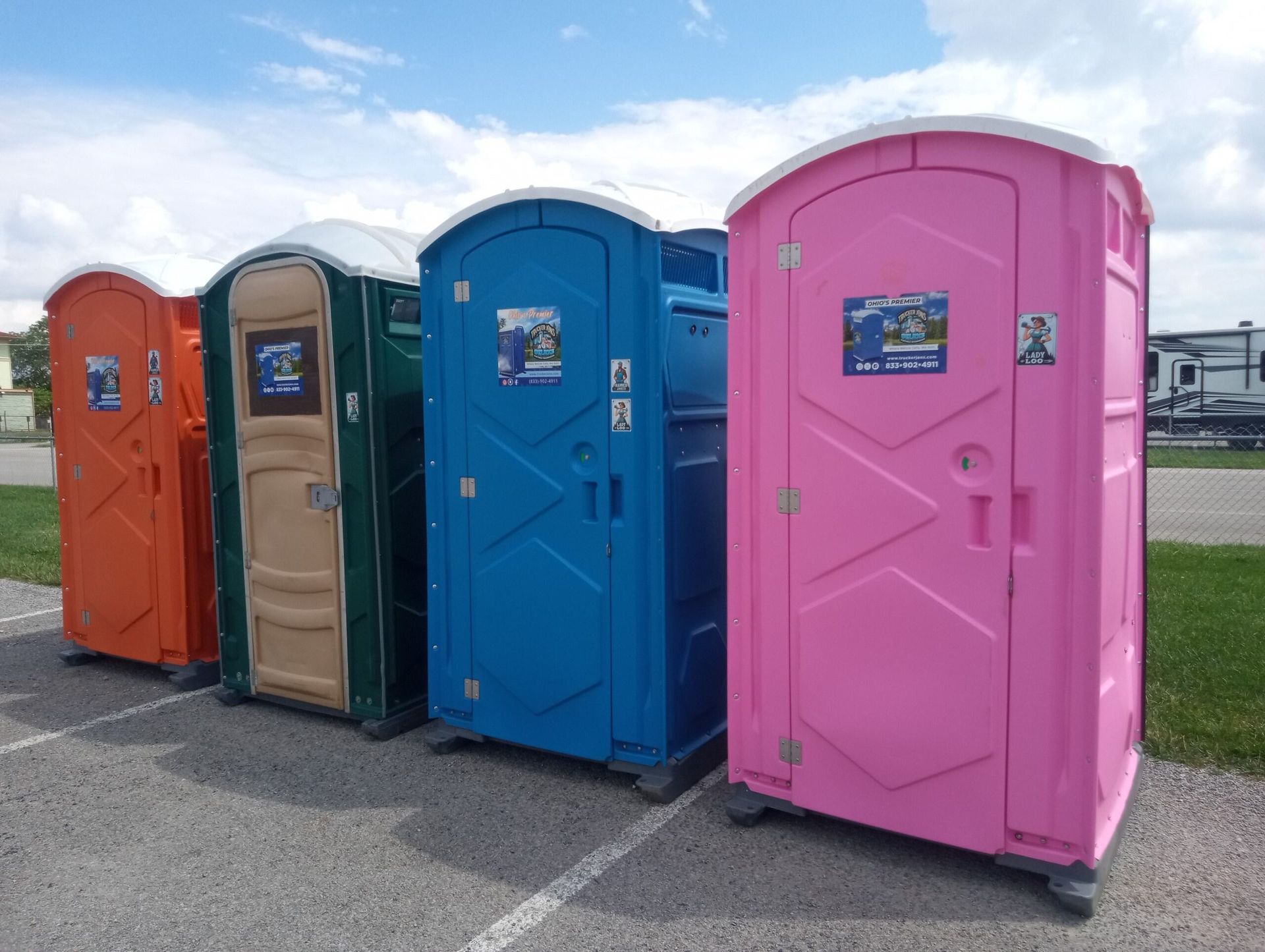
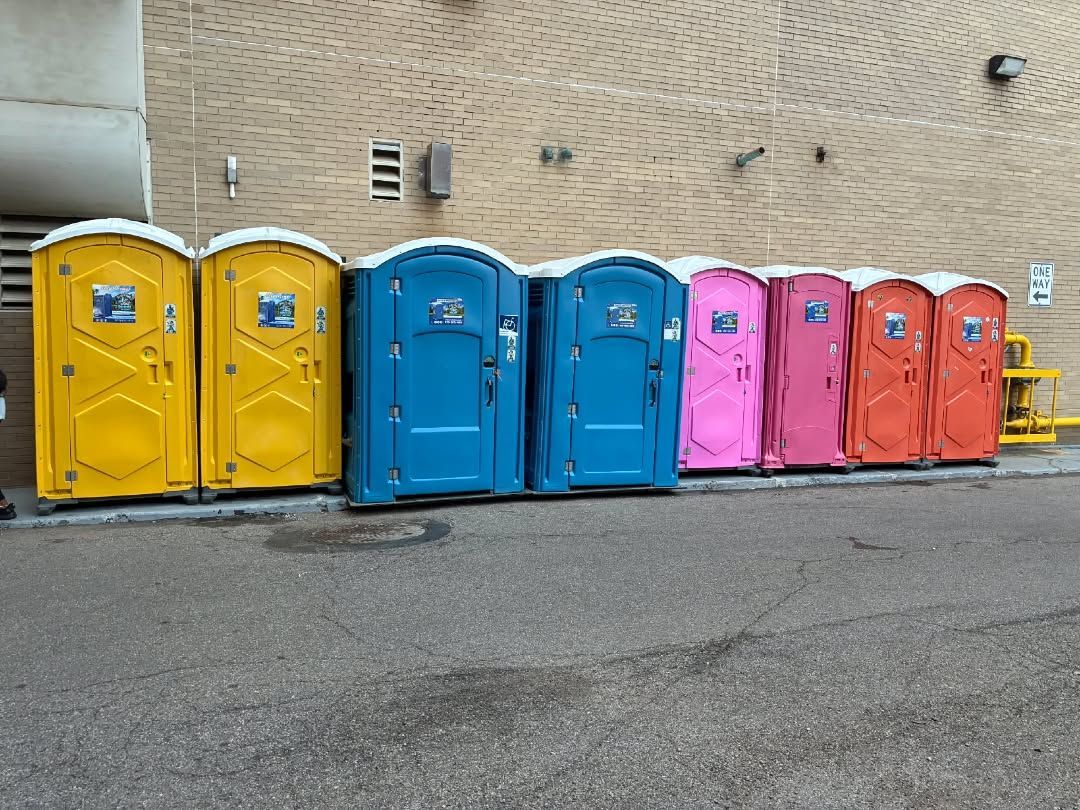
Portable toilets should be placed on a construction site in a convenient, level, and accessible location that keeps workers close to restroom facilities without interfering with equipment or daily operations. The best locations provide easy access for employees and servicing trucks while maintaining safe distances from heavy machinery, excavation areas, and high-traffic zones.
Whether you're managing a residential renovation or a large commercial construction project, restroom placement deserves more attention than simply finding an empty spot. A poorly positioned portable toilet can create safety concerns, slow down workers, and make regular servicing difficult. For construction managers throughout Columbus and Central Ohio, planning restroom placement early helps keep projects organized while supporting worker comfort and OSHA compliance.
Where Should Portable Toilets Be Placed on a Construction Site for Maximum Accessibility?
The best location for a portable toilet is generally near the primary work area, on stable ground, and along a clear pedestrian route. Workers should be able to reach the restroom without crossing dangerous equipment paths or leaving the designated construction area.
For example, a residential construction project might have enough room near the driveway for a portable restroom. However, placing the unit directly in front of the garage could interfere with material deliveries or equipment access. On larger commercial projects, positioning restrooms near designated break areas or commonly traveled walkways may be more practical.
Choose a Level and Stable Surface
Portable toilets need a firm, relatively level foundation to remain stable throughout the rental period. Concrete, compacted gravel, and firm ground are generally suitable options. Avoid placing restrooms in muddy areas, steep slopes, or locations where stormwater collects. Soft ground can shift during heavy rainfall, especially when equipment frequently moves nearby.
Ohio's unpredictable weather makes this particularly important during spring and fall construction projects. A location that looks perfectly suitable during dry weather can become difficult to access after several days of rain.
Keep Restrooms Away From Active Equipment
Convenience should never come at the expense of safety. Keep portable toilets outside crane operating areas, excavation zones, vehicle turning paths, and locations where falling materials could create hazards. The goal is simple: workers should reach the restroom without navigating an obstacle course.
What Are the OSHA Requirements for Portable Toilets in Construction?
The Occupational Safety and Health Administration (OSHA) requires construction employers to provide adequate toilet facilities under 29 CFR 1926.51. These regulations establish minimum restroom quantities based on workforce size and require facilities to be reasonably available to employees throughout the workday.
OSHA's sanitation guidance emphasizes that providing a toilet isn't enough if workers cannot access or safely use it. Construction managers must consider both the number of available facilities and whether those facilities remain usable during daily operations.
Do Portable Toilets Have to Be Clean?
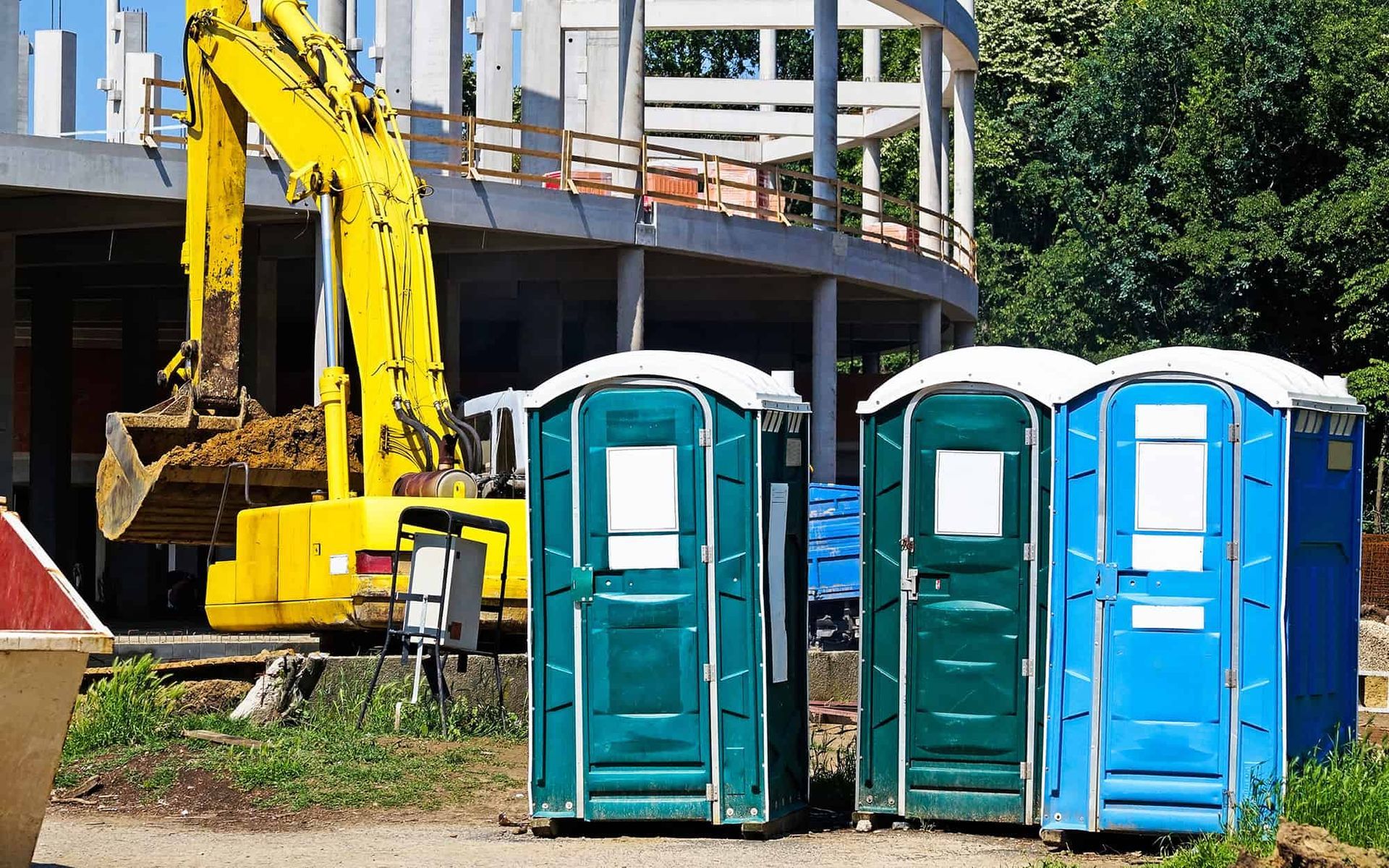
Yes. OSHA has clarified that unsanitary toilets may not count toward an employer's required facilities because they aren't considered usable. That means construction site sanitation involves more than delivering the correct number of units.
Regular waste removal, replenishing supplies, and keeping restroom interiors sanitary are essential responsibilities. Employers can review the official OSHA construction sanitation requirements for additional guidance.
How Many Toilets Should a Construction Site Have?
The number of toilets required depends primarily on how many employees are working at the construction site. OSHA provides minimum requirements based on workforce size, although additional facilities may be necessary depending on the project and applicable regulations.
- 20 or fewer employees: 1 toilet facility.
- 20 to fewer than 200 employees: 1 toilet seat and 1 urinal per 40 workers.
- 200 or more employees: 1 toilet seat and 1 urinal per 50 workers.
These are federal minimums, not necessarily the ideal number for every project. A construction project with several subcontractors arriving simultaneously may experience significant restroom demand during lunch breaks and shift changes. Providing additional facilities can reduce waiting times and improve working conditions, particularly on projects with long shifts.
Managers should also consider how many portable restrooms will be available throughout each phase of construction. Adding employees without reviewing restroom capacity can quickly create sanitation problems.
How Close Does a Porta Potty Have to Be to a Jobsite?
OSHA does not establish one universal distance in feet for portable toilets on construction sites. Instead, its guidance focuses on whether workers can access restroom facilities promptly. In a construction-specific interpretation, OSHA identifies travel times of less than 10 minutes as a general starting point for evaluating reasonable restroom access.
However, that doesn't mean every portable toilet should be placed exactly 10 minutes away. Closer is usually better, especially when workers need to leave active work areas, remove protective equipment, or navigate multiple floors.
Consider How Workers Move Throughout the Property
Imagine a multistory construction project where every restroom is positioned at ground level. As construction progresses, employees working on upper floors may need to travel down several flights of stairs just to use the restroom. Even when the physical distance seems relatively short, the actual travel time becomes inconvenient.
For larger developments, distributing restrooms across accessible locations can improve efficiency. The same principle applies to sprawling roadwork projects and large commercial properties. Consider where employees actually work rather than measuring distance from the site's entrance.
Can I Use a Porta Potty at a Construction Site?
Yes. Portable toilets are widely used on construction sites, and OSHA specifically recognizes chemical toilets as an acceptable facility option where sanitary sewer access isn't available, unless prohibited by local codes.
For projects without permanent plumbing, Construction Site Portable Toilets provide a practical way to accommodate workers. They are particularly useful during new home construction, building renovations, utility installations, and commercial developments.
What About Residential Construction Projects?
Residential projects often have limited space for equipment, dumpsters, materials, and worker parking. In these situations, a portable restroom placed along a driveway or another stable area may offer convenient access without disrupting the homeowner's property.
One consideration that's easy to overlook is privacy. Positioning the entrance away from neighboring windows and heavily traveled public areas can help workers feel more comfortable. Contractors should also make sure the restroom doesn't block access to garages, sidewalks, or materials needed for the project.
What Is the Safest Place for Portable Toilets Around Construction Equipment?
Portable toilets should be separated from equipment operating zones while remaining accessible through designated walking routes. This becomes particularly important when forklifts, skid steers, dump trucks, and delivery vehicles regularly move through the property.
A location that works during the foundation stage may become unsafe once framing materials and additional equipment arrive. Construction managers should regularly review restroom placement as equipment movement and traffic patterns change.
Avoid These Common Placement Mistakes
- Blocking emergency access routes, gates, or fire lanes.
- Positioning units directly beneath overhead lifting operations.
- Placing restrooms near unsecured excavations or trenches.
- Setting units on unstable soil or in drainage paths.
- Blocking access needed by portable restroom servicing trucks.
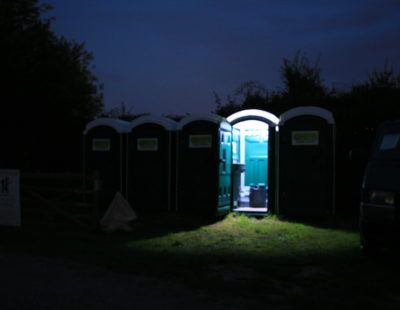
It's also worth considering visibility. Restrooms located behind large storage containers or isolated equipment areas can be difficult for workers to find. On projects operating before sunrise or after sunset, adequate lighting along the access route becomes especially important.
How Many Porta Potties Per Person on a Construction Site?
Although OSHA establishes minimum restroom quantities, the appropriate number of portable units also depends on usage patterns and available fixtures. A standalone portable toilet may not have the same toilet seat and urinal configuration as another unit. Therefore, managers should confirm that the actual facilities meet applicable requirements rather than simply counting restroom trailers or enclosures.
Consider a construction project with 35 workers who all take breaks around the same time. Even if the facilities satisfy minimum regulations, workers could experience delays when several people need a restroom simultaneously. Additional Job Site Portable Restrooms can help accommodate peak demand.
For larger projects, coordinate with your rental provider about expected employee counts, work schedules, and available space before deciding on the final number. Planning for busy periods is generally more effective than waiting until workers begin reporting problems.
Do You Need a Permit to Have a Porta Potty on Your Property?
Permit requirements depend on local ordinances, property type, and where the portable toilet will be located. A temporary restroom on private construction property may be treated differently from one placed along a public sidewalk, street, or municipal right-of-way.
In Columbus and surrounding Central Ohio communities, contractors should verify applicable requirements with the local building or zoning department before installation. Local rules can vary, particularly when construction work affects public access or neighboring properties.
What About Placement Near Sidewalks?
Portable toilets should never obstruct accessible pedestrian routes or create unnecessary hazards for people traveling around the construction site. If a project requires placement near a public walkway, confirm whether temporary occupancy permissions or other municipal approvals apply.
For commercial developments, property managers may also establish requirements for restroom placement, screening, and service vehicle access. Checking these details before delivery can help avoid unnecessary relocation expenses.
How Often Should Construction Site Portable Toilets Be Serviced?
Even the best restroom placement won't matter if the facility becomes unusable. Portable toilets need regular servicing to maintain sanitary conditions, control odors, and ensure workers have adequate supplies. Service frequency depends on workforce size, daily usage, weather conditions, and the number of units available.
For smaller projects with moderate usage, weekly servicing may be appropriate. High-traffic construction sites often require more frequent attention. Our related guide, How Often Does a Porta Potty Get Serviced at a Construction Site?, explains how contractors can evaluate service schedules.
Make Room for the Service Truck
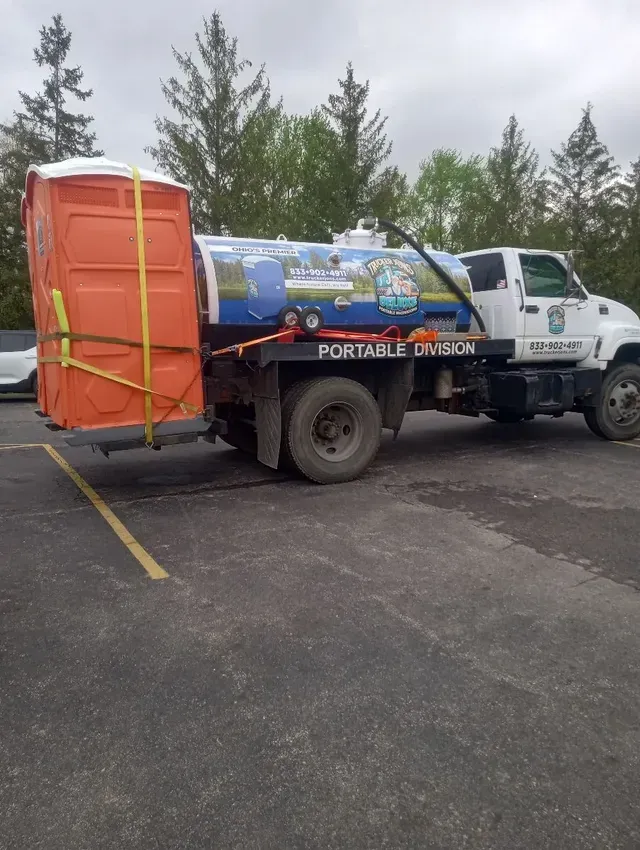
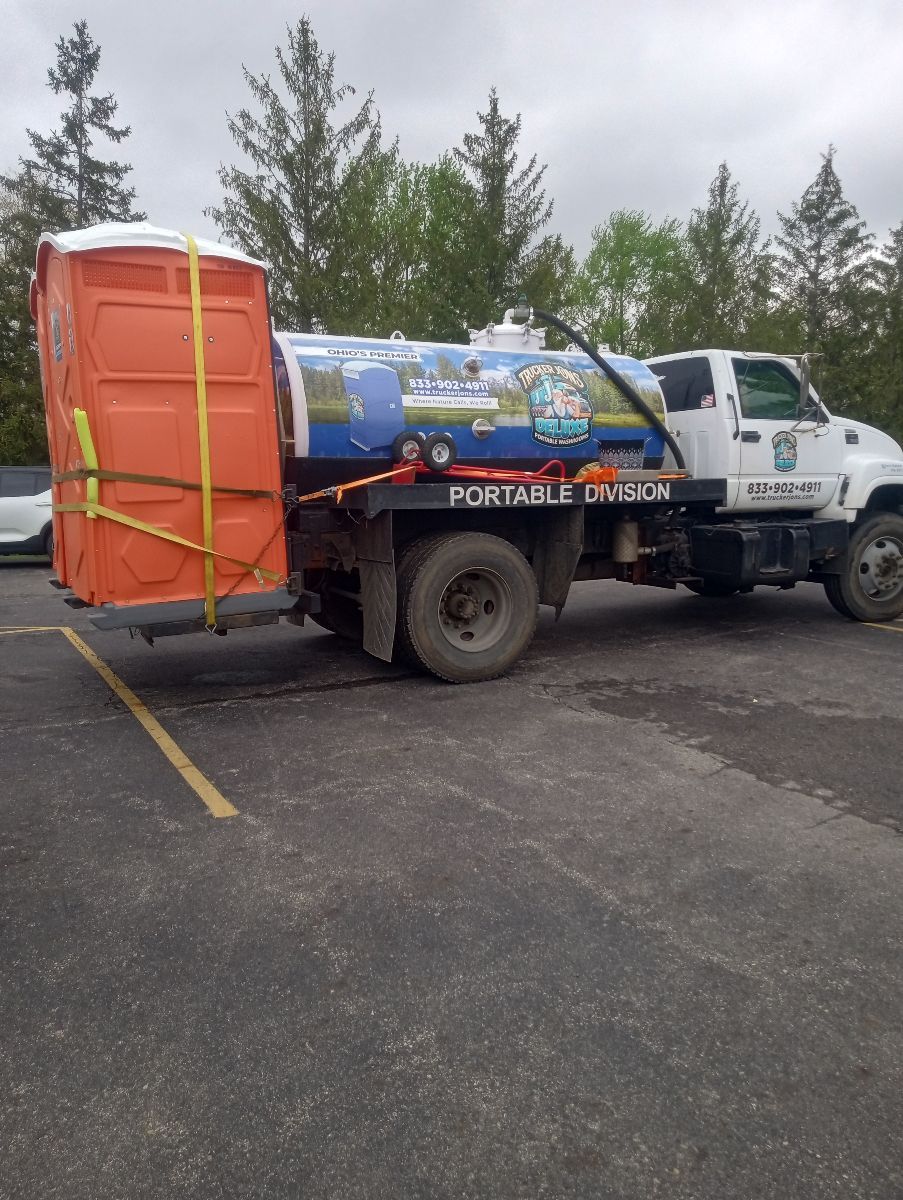
One frequently overlooked issue involves access for waste collection vehicles. A portable toilet positioned behind parked equipment or enclosed by temporary fencing may be difficult or impossible to service.
Before selecting a location, consider whether the service truck can safely approach the unit and whether its hose can reach the holding tank. Seasonal conditions matter, too. Snow accumulation, icy surfaces, and muddy access roads can complicate servicing during Ohio winters and wet spring months.
Keeping the route clear helps prevent interruptions and allows your rental provider to maintain restroom facilities on schedule.
How Can You Plan Portable Toilet Placement Before Construction Begins?
The easiest way to avoid relocation problems is to include portable restroom placement in the project's initial site plan. Walk the property and identify where employees will spend most of their time, where equipment will travel, and how the property may change throughout construction.
Then consider deliveries, servicing schedules, and potential weather-related concerns. For long-term projects, revisit restroom placement as different phases of construction begin. A location that works during excavation might not make sense once the building reaches multiple stories.
If you're arranging Portable Toilet Rentals for a new project, discuss the layout with your rental provider before delivery. An experienced provider can help evaluate practical placement concerns, servicing accessibility, and the number of facilities appropriate for your crew.
Plan Your Construction Site Sanitation With Trucker Jon's
Proper portable toilet placement keeps facilities accessible, helps reduce unnecessary safety risks, and makes daily construction operations more manageable. For construction companies throughout Columbus and Central Ohio, the ideal setup balances worker convenience, stable ground, equipment clearance, and reliable servicing.
Trucker Jon's provides portable restroom solutions for construction projects that need dependable facilities. Whether you're overseeing residential construction or coordinating a larger commercial project, planning ahead can help ensure your crew has access to clean, convenient restrooms.
Contact Trucker Jon's to discuss your Construction Site Sanitation needs and determine a suitable placement and servicing arrangement.