How Far Should Portable Toilets Be Placed From Food and Dining Areas at Outdoor Events?
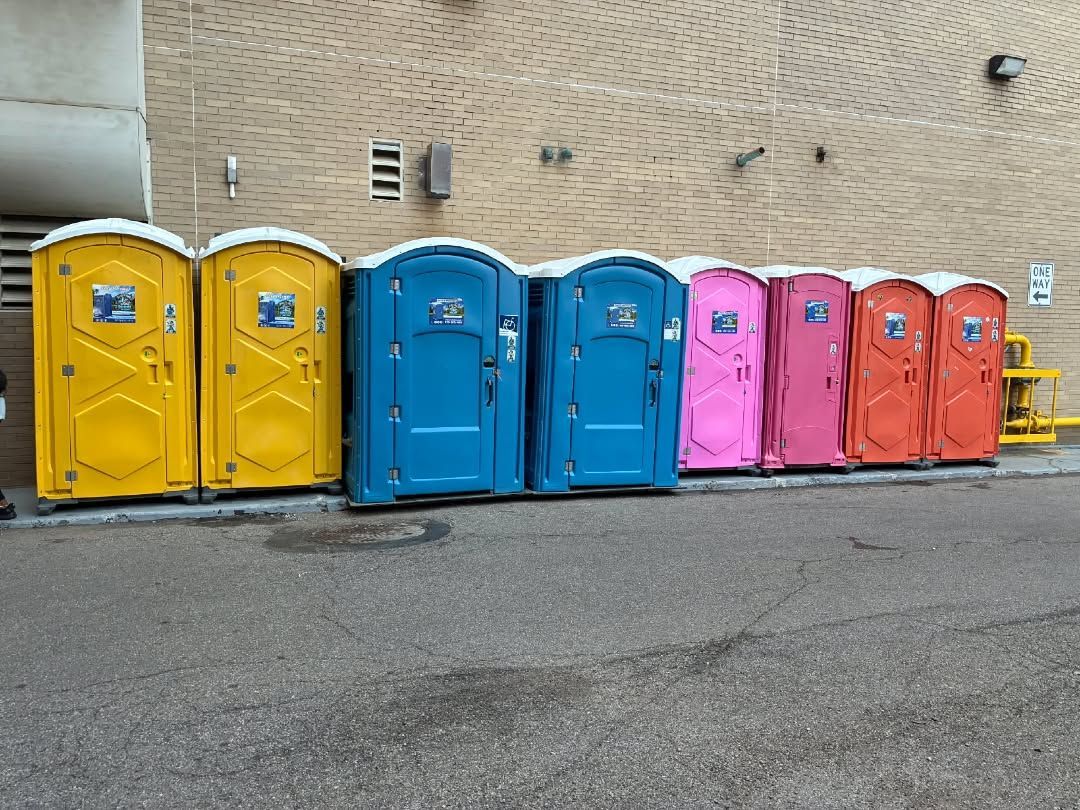
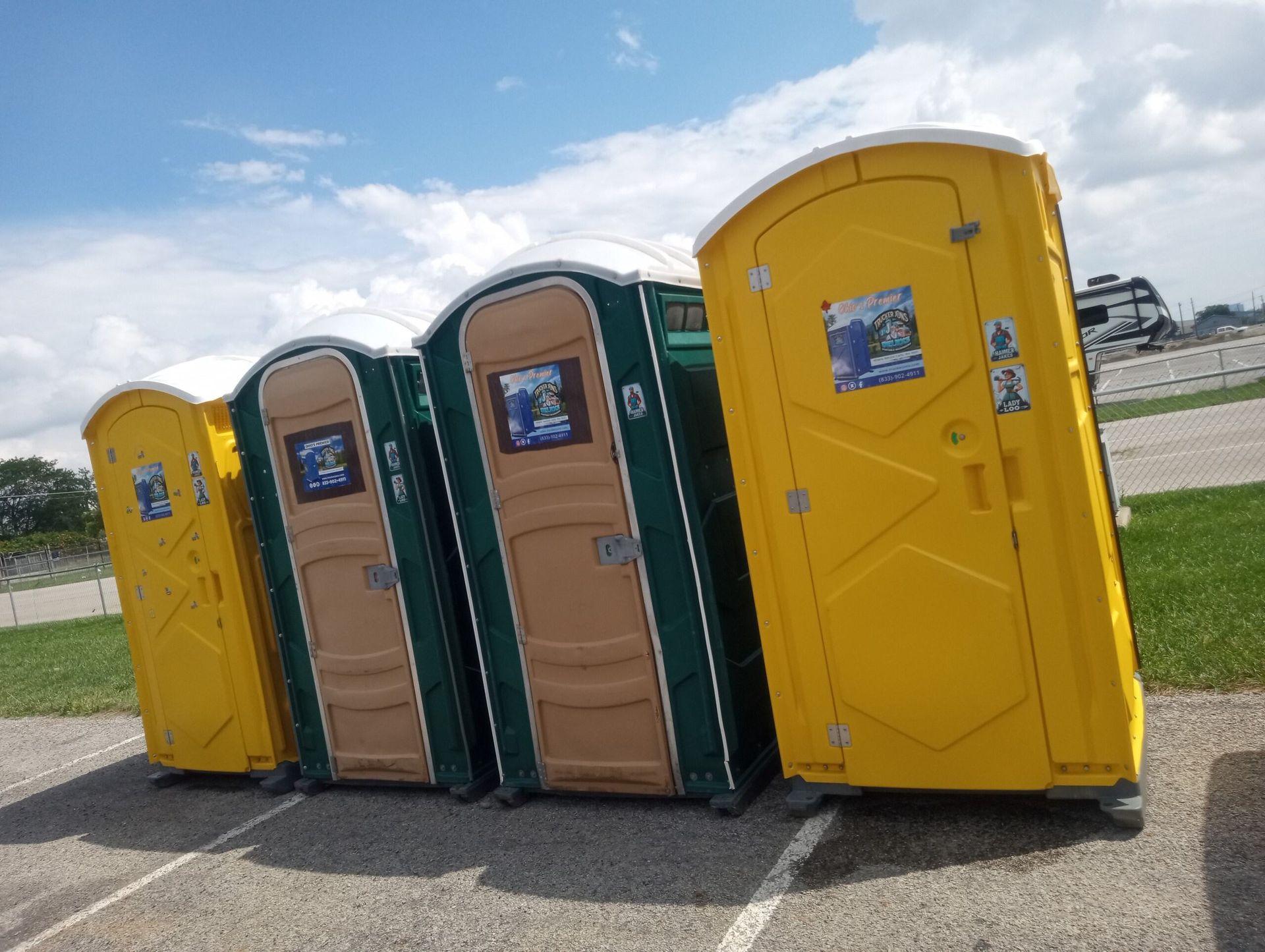
Portable toilets should generally be placed about 100 to 200 feet from food preparation, serving, and dining areas when space allows. This is a practical planning recommendation, not a universal legal requirement. The ideal distance depends on local health regulations, guest accessibility, wind direction, and whether sanitation trucks can reach the units without disrupting the event.
At an outdoor wedding, food truck festival, or company picnic, restroom placement affects much more than convenience. Place portable toilets too close to the buffet, and guests may notice unpleasant odors or restroom traffic near their tables. Put them at the far edge of the property, and attendees may struggle to find them, especially families with young children or guests with mobility challenges. Finding a comfortable middle ground makes the entire event run more smoothly.
How Far Should Portable Toilets Be Placed From Food and Dining Areas at Outdoor Events?
A good starting point is to position portable toilets approximately 100 to 200 feet from the nearest food station or dining section. However, this distance should be adjusted based on the venue's layout and any applicable local health department requirements. Event planners should measure the actual walking route rather than simply estimating the distance between two points on a site map. Fences, vendor booths, and temporary barriers can turn a short distance into a much longer walk.
There is no single nationwide law establishing how far portable toilets must be from dining areas at every outdoor event. For example, Utah's temporary mass-gathering sanitation rules establish a minimum separation of 100 feet from food service operations, subject to certain exceptions. That requirement demonstrates why researching local regulations is important, although it does not automatically apply to events in Ohio. Before finalizing the layout, organizers should confirm the applicable requirements with their local health department.
Why Does Portable Toilet Placement Matter Near Food?
Proper restroom placement helps maintain a cleaner, more comfortable environment for everyone attending an outdoor gathering. Even well-maintained portable toilets can develop odors during hot weather, particularly when large crowds use them throughout the day. Positioning these facilities away from dining tables and food preparation areas reduces the likelihood of unpleasant smells affecting the experience. It also helps prevent restroom lines from interfering with food service operations.
Consider a summer festival where several food trucks are parked along one side of a field. If the portable toilets are positioned immediately behind the trucks, customers waiting for food may find themselves sharing a crowded walkway with people heading to the restrooms. Moving the facilities to a separate, clearly marked area allows both groups to move comfortably without creating unnecessary congestion. Small decisions like this can make a noticeable difference during peak attendance.
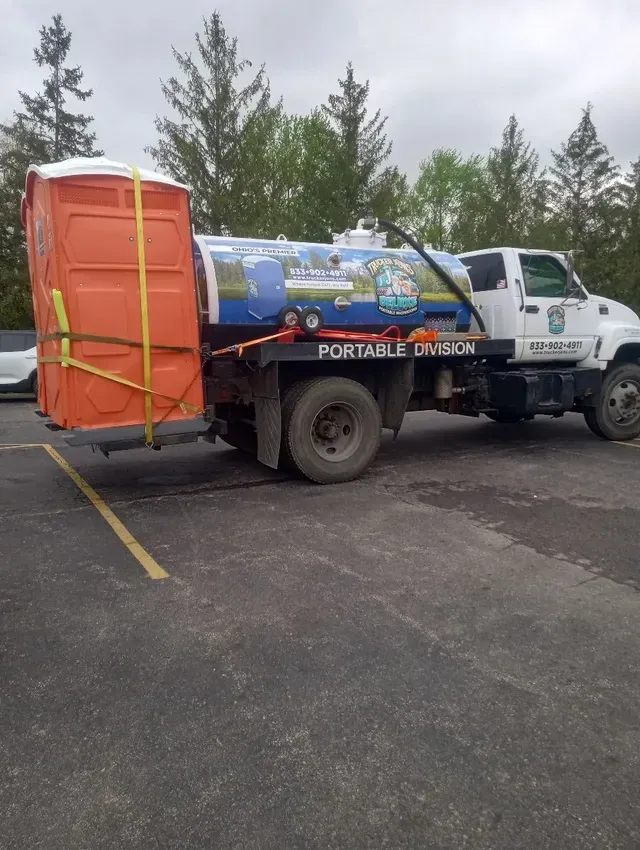
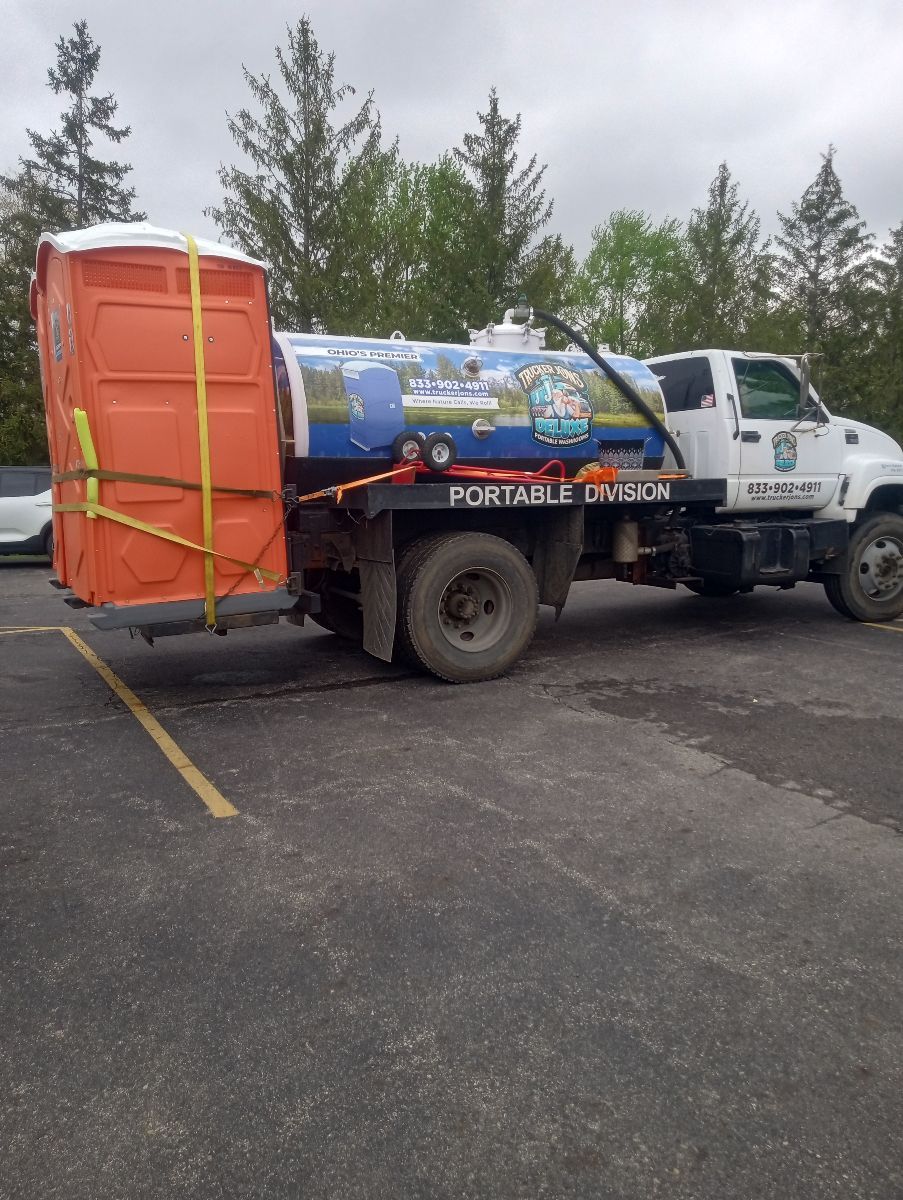
Portable toilet placement also influences how sanitation crews service the units. Trucks need enough room to reach the facilities without driving through food preparation areas or crowded pedestrian walkways. Planning for this access ahead of time helps protect the event's cleanliness and keeps operations running efficiently.
What Is the OSHA Rule for Portable Toilets?
The Occupational Safety and Health Administration (OSHA) establishes sanitation requirements for workplaces, including construction sites and other locations where employees need restroom access. Under OSHA's construction sanitation standard, workplaces with 20 or fewer employees generally must provide at least one toilet facility. Larger crews require additional toilets according to specific employee-to-toilet ratios. These rules focus on workplace sanitation rather than determining the number of restrooms needed for wedding guests or festival attendees.
For outdoor events, planners must distinguish between restroom requirements for employees and those established for the general public. Local health departments, special-event permits, and venue regulations may establish additional sanitation requirements. OSHA also addresses hygienic conditions in workplace food service, making proper separation and sanitation important considerations.
Understanding these differences helps organizers avoid assuming that one set of workplace regulations applies to every situation. When planning an event with food vendors, employees, and attendees, it is best to confirm the applicable rules before arranging portable toilet rentals.
How Many Toilets Are Needed for an Event?
Determining the number of portable toilets needed for an event depends on attendance, duration, available permanent bathrooms, and whether food or alcoholic beverages will be served. A two-hour community gathering typically creates different restroom demands than an eight-hour outdoor concert. Events where guests arrive and leave in large groups may also experience restroom lines during particular times. Rather than relying on attendance alone, organizers should evaluate how guests will use the facilities throughout the day.
The Cuyahoga County Board of Health provides useful planning recommendations for temporary events lasting more than three hours where food and beverages are available. Its guidance includes the following recommended minimum toilet counts, considering both permanent and portable facilities.
- 1–50 guests: 2 recommended toilets and 2 handwashing stations.
- 51–100 guests: 4 recommended toilets and 2 handwashing stations.
- 101–200 guests: 6 recommended toilets and 2 handwashing stations.
- 201–300 guests: 8 recommended toilets and 2 handwashing stations.
These figures are useful planning references rather than universal requirements for every event. Local regulations may differ, and longer events or those serving alcohol may require additional restroom capacity. Organizers should also consider accessibility, handwashing facilities, and the availability of regular restroom servicing when determining the final number of units.
How Many Porta Potties for a 100 Person Party?
For an outdoor party with approximately 100 guests lasting more than three hours, four total toilets is a reasonable starting point under Cuyahoga County's planning recommendations for events serving food and beverages. This total may include existing permanent bathrooms if they are available and meet applicable requirements. For example, a venue with two functioning restrooms may need fewer portable rentals than a location without indoor plumbing.
At weddings and private celebrations, the location of those facilities deserves just as much attention as the number provided. Guests should be able to find a restroom without walking behind catering equipment or crossing areas designated for vehicle traffic. Placing the facilities along an accessible, clearly marked path away from the main dining tent helps keep traffic organized.
How Many Porta Potties for 70 Guests?
An event with 70 guests falls within the 51-to-100-person category in Cuyahoga County's guidance, which recommends four total toilets for qualifying events lasting longer than three hours. Although that number might seem high for a backyard celebration, restroom demand rarely happens at an even pace. Guests often visit the facilities shortly before dinner, after drinks are served, or as the event winds down. Having sufficient capacity helps avoid long lines during these busy periods.
For smaller outdoor venues, finding enough space can become a challenge. Portable toilets should not be squeezed beside catering tables simply because the location is convenient for delivery. A driveway, side yard, or another level surface may provide a more suitable location, provided guests have a safe walking route. Discussing these details with the rental provider before delivery can prevent frustrating last-minute adjustments.
How Many Toilets Do You Need for 200 Guests?
For a 200-person outdoor event lasting more than three hours with food and beverages, Cuyahoga County's guidance recommends six total toilets. This provides a useful planning baseline for corporate picnics, fundraisers, festivals, and large family gatherings. The exact number of portable units will depend on how many permanent restrooms are available and whether additional facilities are necessary because of the event's duration or attendance patterns.
For larger gatherings, dividing restrooms between two locations may be more practical than keeping every unit together. One restroom cluster could serve guests near the main dining area, while another could accommodate attendees closer to activities or entertainment. Both locations should remain accessible and have sufficient room for servicing. This arrangement can distribute foot traffic and reduce congestion around individual restroom areas.
How Many Toilets Do I Need for 50 Guests?
For an event with 50 guests lasting more than three hours where food and beverages are served, Cuyahoga County's recommendations call for two toilets and two handwashing stations. A shorter gathering or a property with permanent bathrooms may have different needs, depending on the applicable rules. Even when only a few portable units are necessary, their placement should be considered carefully.
Small outdoor events sometimes have limited space between dining tables, parking areas, and activity locations. Rather than placing toilets directly beside the main gathering area, identify a level surface that offers privacy and a convenient walking route. Proper signage can help guests locate the facilities without making them a prominent feature of the event.
Where Should Event Portable Toilets Go on the Property?
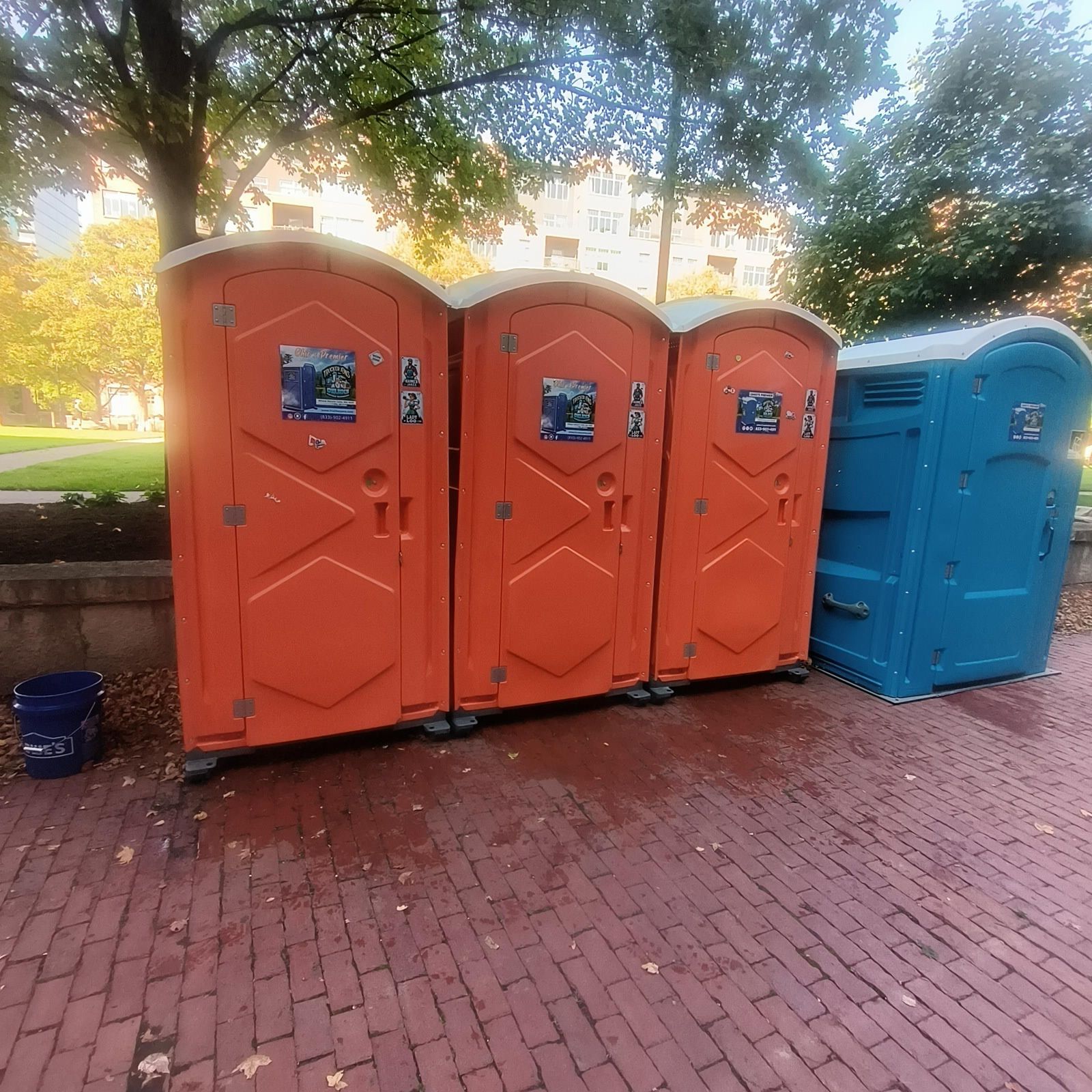
Choosing the right location for Event Portable Toilets requires evaluating the entire event layout rather than focusing on distance alone. The ideal location should have stable, level ground, adequate drainage, and a clear path for guests. Areas that become muddy after rainfall or sit on steep slopes should generally be avoided. Portable toilets should also be positioned away from emergency access routes, crowded entrances, and food preparation equipment.
Wind direction is another consideration that planners sometimes overlook. When possible, restrooms should be positioned downwind of dining areas to reduce the likelihood of odors reaching guests. However, changing weather conditions make it impossible to guarantee that the wind will always move in the same direction. Maintaining reasonable separation and arranging proper servicing are more reliable ways to manage sanitation concerns.
Keep Walking Routes Simple and Accessible
When reviewing an event layout, it helps to identify the food court, dining tables, entertainment spaces, entrances, and restroom locations before equipment is delivered. Guests should have a straightforward route that does not require walking behind food trucks or through areas where vehicles operate. Proper lighting is particularly important for evening gatherings, while clear signage helps attendees find the facilities without asking staff for directions.
Accessibility should also influence Portable Toilet Placement. Accessible units need appropriate clearances, stable surfaces, and routes that accommodate wheelchair users and individuals with limited mobility. A grassy shortcut might appear convenient on a site map but become difficult to navigate after heavy rain. Planning accessible routes from the beginning creates a more welcoming environment for everyone.
Make Room for Delivery and Maintenance
Portable toilets must be accessible to the trucks responsible for delivering, cleaning, and removing them. Positioning facilities in narrow spaces or behind temporary structures can make servicing difficult once the event begins. Organizers should confirm that sanitation vehicles can reach the units without passing through dining areas or other crowded sections of the venue.
For multi-day festivals, this becomes especially important because the facilities may need to be cleaned and serviced between event sessions. A restroom location that works for initial delivery might not be practical once vendor tents and temporary fencing are installed.
How Do You Keep Outdoor Event Restrooms Clean Near Dining Areas?
Maintaining clean Outdoor Event Restrooms requires more than simply choosing the right location. Handwashing stations should be conveniently located near restroom exits and supplied with soap, water, and appropriate drying materials. Although hand sanitizer can provide additional convenience, it does not automatically replace required handwashing facilities, particularly for food service employees. Food vendors may need separate handwashing stations that satisfy local food safety requirements.
Event organizers should also establish a cleaning and servicing schedule based on the number of guests and how long the event will last. A short private party may have different maintenance needs than a weekend festival where hundreds of people use the facilities throughout the day. Regular servicing helps prevent overflowing waste tanks, depleted toilet paper, and unpleasant odors. Having a designated event contact available to report restroom problems can also help crews address issues quickly.
Plan Your Portable Toilet Layout Before Guests Arrive
Successful restroom planning begins before the first tent, table, or food truck arrives at the venue. Creating a simple site map helps identify appropriate locations for portable toilets while accounting for dining areas, accessibility, walking paths, and maintenance access. Sharing that plan with the rental provider allows potential problems to be addressed before delivery day.
For more information about selecting portable restrooms and planning for larger gatherings, read Trucker Jon's article, Where Should Portable Toilets Be Placed on a Construction Site?. The guide offers additional considerations for choosing portable sanitation solutions when planning a large outdoor event.
Ultimately, properly positioned portable toilets should be close enough for guests to reach comfortably without interfering with food service or dining activities. Starting with approximately 100 to 200 feet of separation, checking local regulations, and working with an experienced rental provider can help organizers create a practical layout. For outdoor events throughout Columbus and Central Ohio, Trucker Jon's can help coordinate portable toilet rentals based on attendance, venue conditions, and sanitation needs.