What Should Event Organizers Know About Renting Portable Toilets in Winter?
Event organizers renting portable toilets in winter need to plan for freezing temperatures, proper restroom placement, guest comfort, and reliable servicing. Cold weather can affect waste tanks, handwashing stations, and delivery access, making winter preparation essential. Choosing weather-ready equipment and coordinating with an experienced rental provider helps prevent unexpected restroom problems during outdoor events.
Winter festivals, holiday markets, outdoor sporting events, and community celebrations often attract large crowds despite freezing temperatures. While organizers usually focus on heating stations, parking, and entertainment, restroom facilities deserve just as much attention. A portable toilet that works perfectly in September may require additional preparation to remain functional during a January event in Ohio.
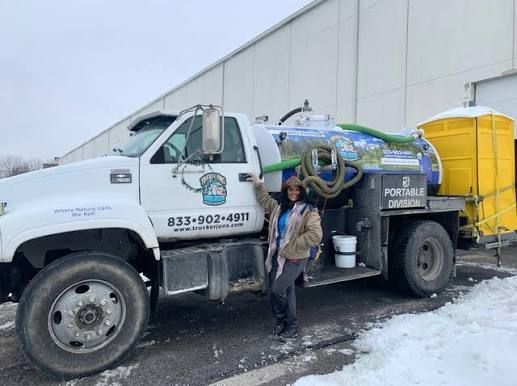
At Trucker Jon's, understanding how weather affects delivery, placement, and servicing is an important part of portable sanitation planning. Owner Kerri Scott's professional trucking background provides valuable insight into navigating difficult locations and coordinating equipment delivery. That practical knowledge becomes especially useful when snow, ice, or frozen ground complicates an otherwise straightforward event setup.
Can Porta Potties Be Used in the Winter?
Yes, portable toilets can operate throughout winter, including during freezing temperatures. However, the equipment must be prepared for cold weather to prevent waste from freezing, protect sanitation systems, and maintain a comfortable experience for guests. Standard units may work for short outdoor events, while longer gatherings or extremely cold conditions can require additional equipment and servicing.
One of the biggest misconceptions about winter portable restrooms is that freezing temperatures automatically make them unusable. In reality, professional rental companies can use cold-weather waste treatments and service adjustments to help keep toilets operating. The challenge is anticipating how temperature changes will affect the equipment throughout the event.
What Makes Winter Portable Toilets Different?
Cold weather introduces several concerns that organizers rarely encounter during warmer months. Waste tanks may freeze, handwashing water can become unusable, and icy conditions can make restroom entrances hazardous. Even seemingly minor details, such as door latches or slippery steps, can create problems when temperatures remain below freezing.
For outdoor events in Central Ohio, organizers should consider:
- Freezing temperatures affecting waste tanks and plumbing
- Snow accumulation blocking restroom entrances
- Ice creating slippery walking surfaces
- Increased servicing challenges during winter storms
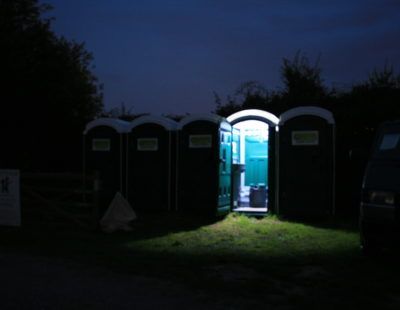
- Limited daylight making restroom lighting more important
- Additional guest demand for sheltered or heated facilities
When choosing Winter Portable Toilet Rentals, discussing these conditions with the rental provider helps determine which equipment and precautions are appropriate.
How Many Portable Toilets Per Person Event?
The number of portable toilets needed for a winter event depends on attendance, event duration, restroom availability, and whether food or alcohol will be served. A reasonable preliminary estimate for many four-hour gatherings is approximately one portable toilet for every 50–60 guests, although local requirements and event conditions may call for more.
For example, the City of Hilliard, Ohio, recommends approximately one portable restroom for every 60 event participants. Its special event guidance also recommends one handwashing station for every 10 portable restroom units. These recommendations provide a useful starting point rather than a universal requirement.
Portable Toilet Estimates for Winter Events
For winter events lasting approximately four hours, the number of portable toilets needed will depend on expected attendance. The following estimates provide a general starting point for event organizers planning restroom accommodations:
- 50 guests: 1–2 portable toilets
- 100 guests: 2–3 portable toilets
- 150 guests: 3–4 portable toilets
- 200 guests: 4–5 portable toilets
- 300 guests: 5–6 portable toilets
- 500 guests: 9–10 portable toilets
These estimates should be adjusted for alcohol consumption, event length, existing restrooms, accessibility needs, and local permit requirements.
Consider a holiday market with 300 visitors spread throughout the afternoon. Restroom demand may remain manageable when guests arrive gradually, but a scheduled tree-lighting ceremony could bring hundreds of people together simultaneously. Planning around peak attendance rather than total ticket sales helps prevent long lines and ensures that guests have convenient access to restroom facilities.
How to Keep Portable Toilets From Freezing?
Preventing portable toilets from freezing typically involves approved winter waste treatments, appropriate tank servicing, and equipment designed for cold-weather operation. Rental companies may use specialized additives that lower the freezing point of liquid waste, helping maintain functionality during periods of below-freezing temperatures.
However, freezing protection depends on several factors, including outdoor temperature, treatment concentration, tank contents, and exposure duration. A solution suitable for temperatures near 30°F might not provide adequate protection during an extended period of single-digit weather. This is why organizers should communicate anticipated temperatures and event duration well before the equipment is delivered.
Why Servicing Matters During Freezing Weather
Regular pumping and cleaning become especially important when temperatures fluctuate. Allowing waste tanks to become excessively full can create additional problems, particularly when freezing conditions prevent normal servicing. Even when a unit has been treated for cold weather, maintaining an appropriate servicing schedule helps reduce the likelihood of unexpected issues.
Organizers should confirm whether their rental agreement includes cold-weather treatment, scheduled pumping, and emergency assistance. It's also important to ensure that service vehicles can reach the equipment after snowfall. For multi-day winter festivals, discussing an appropriate servicing schedule before the event is far more effective than discovering a problem after guests arrive.
Does Porta Potty Fluid Freeze?
Yes, porta potty fluid can freeze when exposed to sufficiently low temperatures. Standard water-based treatments are vulnerable to freezing, while properly formulated winter treatments can provide protection within their specified temperature ranges. Not every chemical or additive is suitable for portable sanitation equipment, making professional preparation especially important.
Many portable toilets use a liquid treatment containing deodorizing agents and other chemicals designed to manage odors and support sanitation. During winter, the treatment may need to be adjusted to account for temperature conditions. Organizers should also recognize that prolonged exposure to extreme cold can affect other components, including handwashing equipment and certain flushing systems.
Should Organizers Add Antifreeze Themselves?
Event organizers should never assume that automotive antifreeze or household chemicals are safe for portable toilet tanks. Certain products can introduce toxicity, disposal, environmental, or equipment compatibility concerns. Using the wrong treatment may create additional problems rather than preventing freezing.
Instead, ask the rental provider which winter treatment is being used and what temperature range it supports. Professional sanitation companies can determine appropriate products and concentrations while accounting for waste disposal requirements. This is particularly important for outdoor events near parks, waterways, and environmentally sensitive areas.
How to Freeze Proof a Toilet When No Heat Is Available?
When heating is unavailable, protecting a portable toilet from freezing requires more than placing it behind a windbreak. The most effective approach combines cold-weather waste treatments, weather-conscious placement, regular servicing, and equipment specifically suited to the expected temperatures.
Wind protection can improve guest comfort, but it does not reliably prevent tank contents from eventually reaching freezing temperatures. For outdoor winter events, organizers should prioritize equipment preparation and maintenance rather than relying on location alone to prevent freezing.
Practical Cold-Weather Protection Strategies
Organizers can reduce weather-related problems by coordinating several preventative measures:
- Request winterized units prepared for expected temperatures.
- Position restrooms on stable, accessible surfaces.
- Avoid areas where snowmelt and standing water collect.
- Arrange snow and ice removal around entrances.
- Confirm that locks, doors, and ventilation openings function properly.
- Protect handwashing equipment using approved winter procedures.
Handwashing stations deserve particular attention because exposed water lines and reservoirs may freeze. Ask whether heated facilities, insulated systems, or other approved handwashing arrangements are available. For events involving food service, confirm handwashing requirements with the appropriate health department rather than assuming hand sanitizer alone satisfies sanitation rules.
What Is the OSHA Rule for Portable Toilets?
The Occupational Safety and Health Administration requires covered employers to provide workers with sanitary and readily accessible restroom facilities. However, OSHA regulations differ depending on the workplace, and construction-site sanitation requirements should not be confused with rules governing public event attendees.
Under OSHA regulation 29 CFR 1926.51, construction sites generally must provide at least one toilet facility for 20 or fewer workers. Larger construction crews are subject to additional fixture requirements based on workforce size. For permanent workplaces, OSHA regulation 29 CFR 1910.141 establishes a different schedule of minimum toilet facilities.
These workplace standards do not automatically determine how many portable toilets must be provided to guests at a winter festival. Event organizers should review local health department guidelines, permitting requirements, and accessibility obligations to determine the appropriate number and type of facilities.
What About Accessibility Requirements?
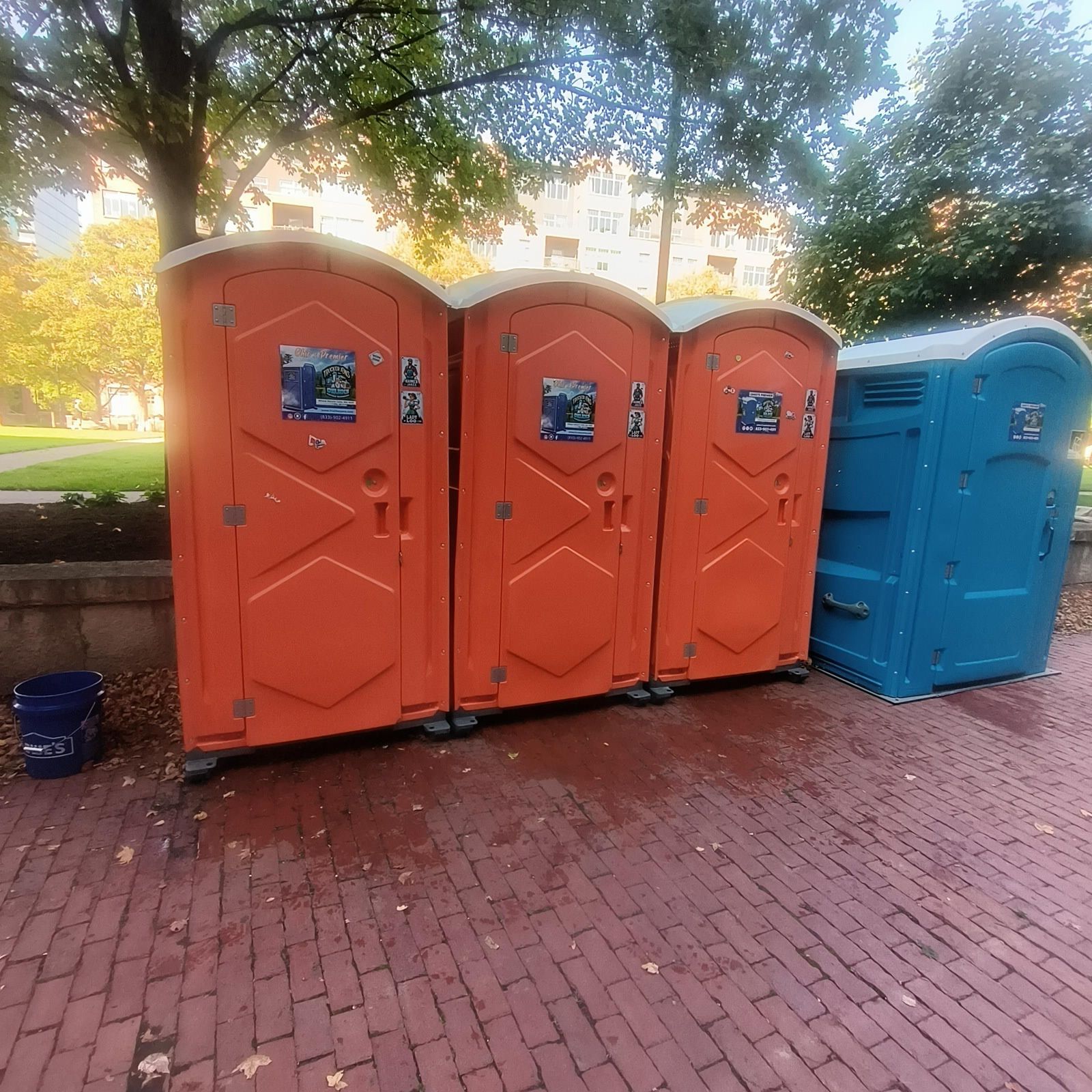
Event organizers must also consider accessible restroom facilities and routes. Under federal ADA accessibility standards, at least 5% of portable single-user toilet units in each cluster generally must be accessible, with the applicable requirements determining the precise setup.
Accessibility involves more than providing a larger restroom. Guests need a firm, accessible route, sufficient maneuvering space, and an entrance that remains usable despite snow and ice. Organizers should monitor these areas throughout the event, especially when snowfall or freezing rain creates new obstacles.
For additional guidance, consult the U.S. Access Board's accessibility requirements for toilet rooms.
Where Should Portable Toilets Be Placed During Winter Events?
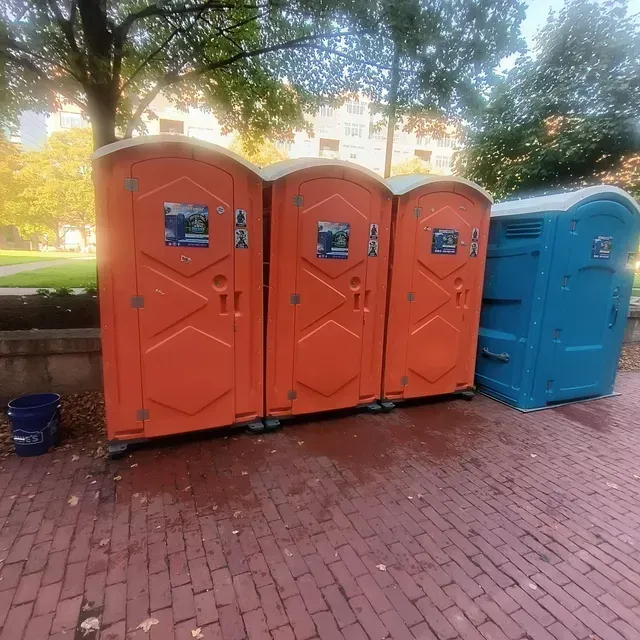
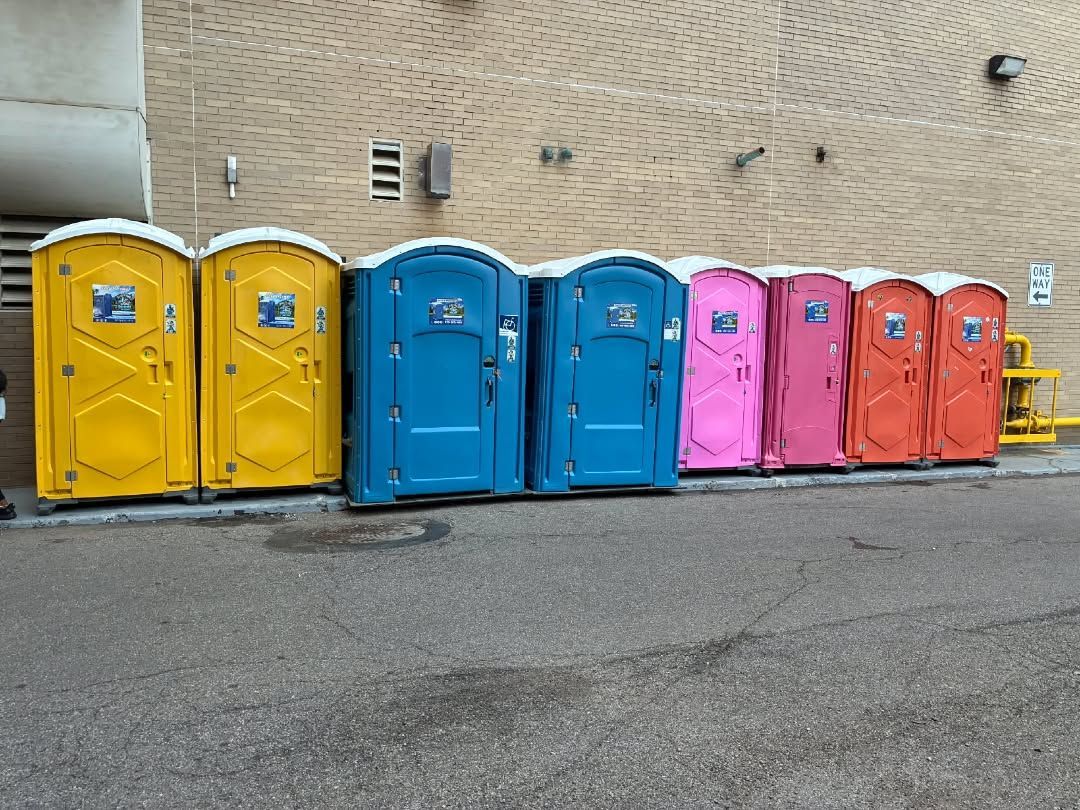
Proper placement is one of the most important considerations for winter restroom rentals. Portable toilets should be positioned on level, stable ground that provides convenient guest access while allowing delivery and servicing vehicles to reach the equipment safely.
A location that looks convenient on an event map may become problematic after several inches of snowfall. Soft ground can become muddy during a thaw, while sloped pavement may create an icy walking surface. Planning ahead helps prevent last-minute adjustments when conditions change.
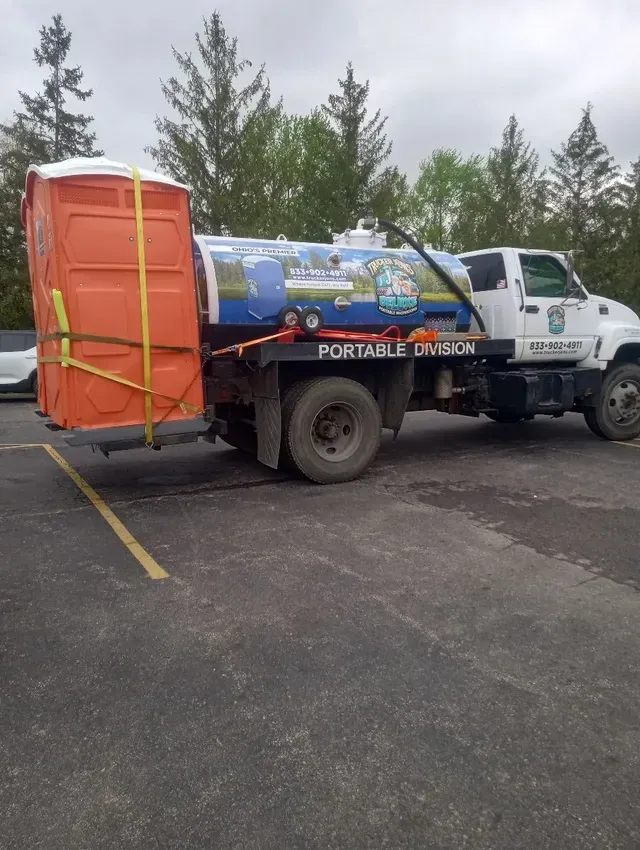
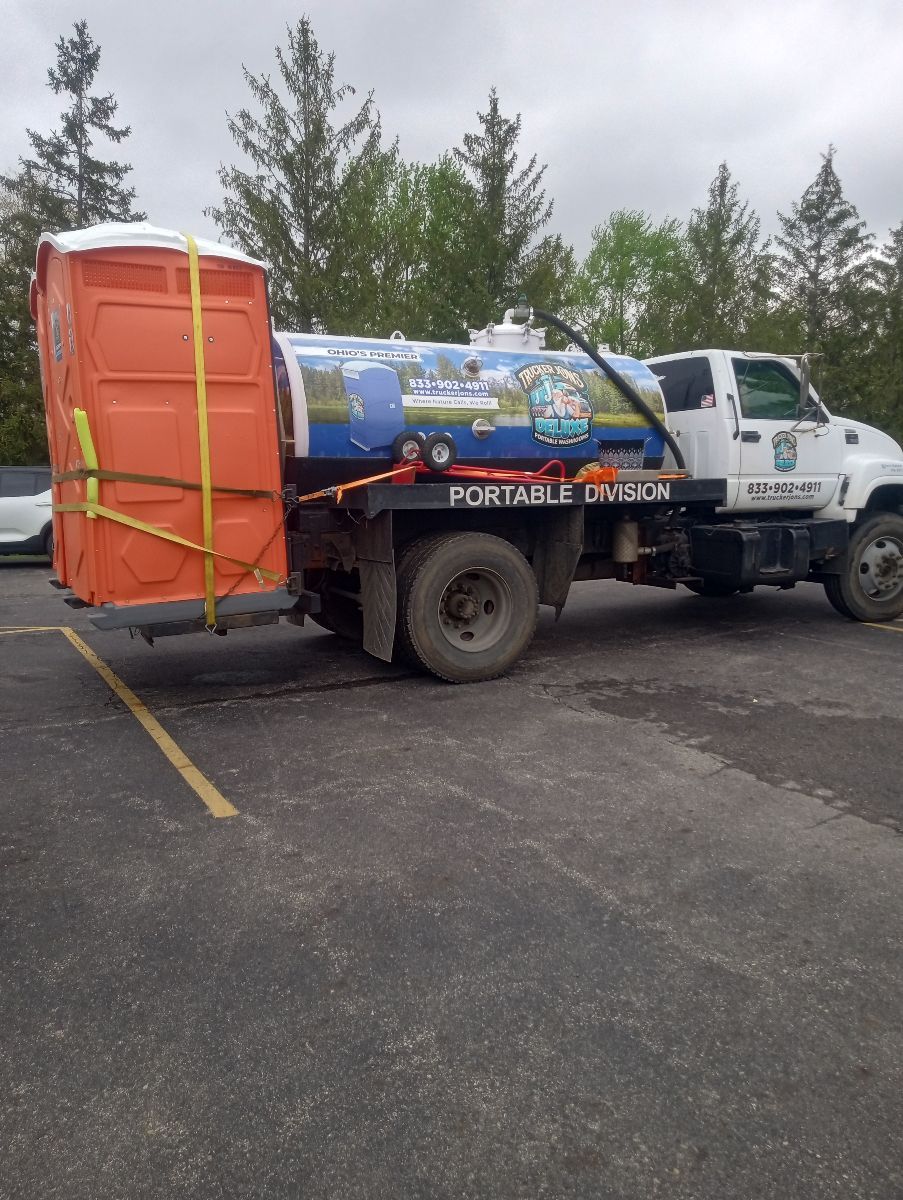
This is where Kerri Scott's professional trucking experience offers a valuable perspective. Access isn't simply about whether a portable toilet fits in a particular location. Organizers must also consider whether the delivery truck can safely approach, unload, service, and eventually retrieve the equipment.
Keep Restrooms Visible and Accessible
Whenever possible, position restroom clusters near primary activity areas without obstructing emergency access, food preparation zones, or pedestrian traffic. Restrooms should also be easy to locate, especially when guests are unfamiliar with the event grounds.
Adequate lighting is particularly important during winter, when daylight hours are shorter. Guests should be able to locate facilities easily without navigating dark pathways or slippery terrain. Organizers may also need to assign staff to monitor snow accumulation and maintain clear walking routes.
For additional placement considerations, read Trucker Jon's article, Where Should Portable Toilets Be Placed on a Construction Site?.
What Should Event Organizers Know About Renting Portable Toilets in Winter? A Final Checklist
Successful winter restroom planning involves more than reserving the correct number of units. Organizers should communicate expected attendance, event duration, weather conditions, site accessibility, and servicing requirements before delivery.
For winter celebrations, dependable Event Portable Restrooms should be part of the event's overall safety and logistics plan. Addressing these details early can reduce unexpected problems while helping guests remain comfortable throughout the gathering.
Questions to Ask Before Booking
Before finalizing a rental, ask the provider:
- Are the portable toilets prepared for freezing temperatures?
- What happens if waste tanks or handwashing equipment freeze?
- How frequently will the facilities be serviced?
- Are accessible units available?
- Can delivery trucks reach the designated location after snowfall?
- What happens if severe weather delays delivery or pickup?
- Are additional units or emergency services available if attendance increases?
These questions help identify potential complications before they affect guests. They also provide a clearer understanding of what the rental company includes in its services and whether additional winter preparations are necessary.
For a small winter gathering, standard portable toilets with appropriate cold-weather preparation may be sufficient. Larger holiday festivals or corporate celebrations may benefit from upgraded facilities, additional handwashing stations, or heated restroom options where available. The right solution depends on the expected conditions and the needs of the people attending.
Plan Winter Portable Toilet Rentals With Trucker Jon's
Winter events bring unique challenges, but restroom problems don't have to be part of the experience. With appropriate equipment, thoughtful placement, and dependable sanitation service, outdoor gatherings can remain comfortable and organized even when temperatures drop.
Trucker Jon's provides Portable Toilet Rentals throughout Columbus and surrounding Central Ohio communities. Whether you're organizing a holiday celebration, outdoor sporting event, or winter community gathering, discussing your event requirements early can help establish a practical restroom plan.
Contact Trucker Jon's to discuss portable restroom availability, winter servicing arrangements, and the best options for your upcoming event.